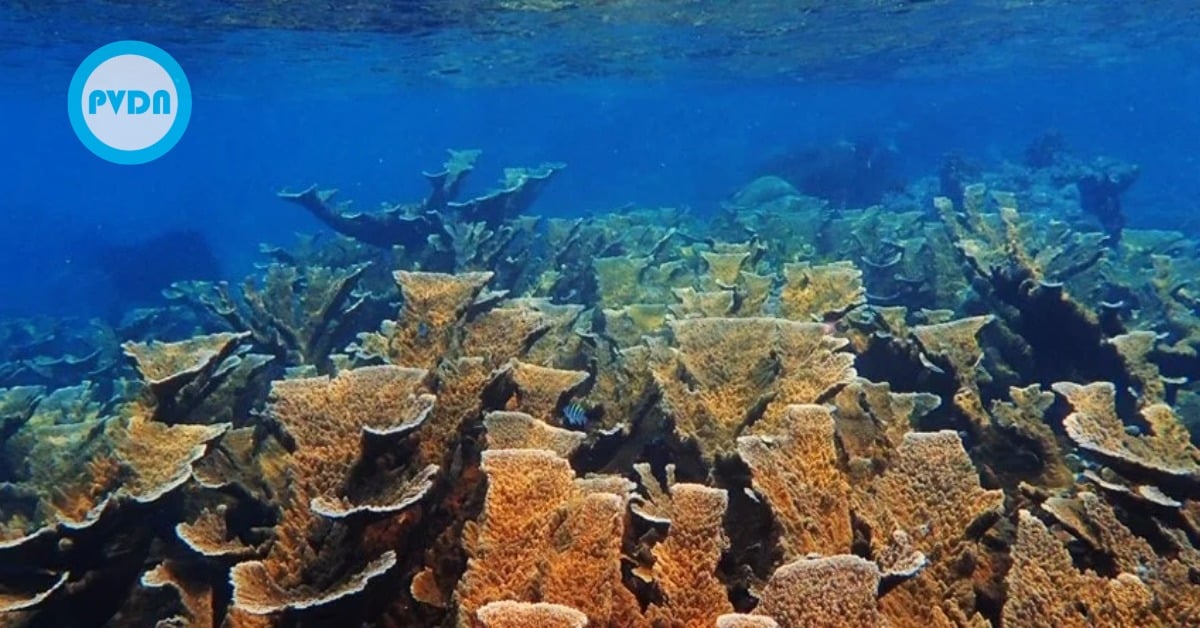
Boat captains and dive guides in Tulum say the reef looks weaker than it did even a season ago—patches once alive with color now pale, brittle, or gone. Their warnings align with what scientists have observed across the Mexican Caribbean: repeated bleaching, disease, and warmer seas are pushing corals beyond their limits. The concern isn’t abstract. Fewer healthy sites mean fewer trips booked and fewer tips for crews. Officials point to restoration and monitoring, but operators want faster, practical action before another high season slips away.
Tulum coral die-off
Tour and dive operators in Tulum are sounding the alarm: coral patches they’ve worked for years are fading fast, with brittle skeletons where vibrant gardens stood. Their message is blunt—what’s dying under their boats is the ecosystem that pays their rent. The local report describes accelerated coral mortality and links what crews see to heat, pollution, and acidifying waters. It’s not an isolated complaint; it’s a field note from people who spend most days on the reef.
Their warning aligns with broader scientific findings in the Mexican Caribbean. The Mesoamerican Reef—Tulum’s offshore lifeline—entered 2024 in fragile shape: most monitored sites across the system were rated “poor” or “critical,” despite small gains in some subregions. Then came the global bleaching emergency spanning 2023–2025, with unprecedented heat pushing corals beyond thresholds and driving mass paling and mortality across the tropics, including the Caribbean.
On the ground in our region, independent reporting this summer described the worst bleaching on record for parts of the Mesoamerican Reef, with roughly 40% of corals affected and severe mortality at iconic sites. That tracks with what captains in Tulum say they’re seeing: stressed colonies and fewer truly “healthy” stops for paying visitors.
What the science shows now
Bleaching is the coral’s SOS: they expel the symbiotic algae that feed them when heat and stress accumulate. If temperatures stay high or stressors persist, many colonies die. In Quintana Roo, the reef faces a stacked deck—thermal stress from a record-hot ocean, stony coral tissue loss disease (SCTLD) that originated in Florida and was first reported locally in 2018, and chronic local pressures from wastewater and sediment. Each hit weakens recovery.
NOAA’s Coral Reef Watch maintains daily “heat stress gauges” for Quintana Roo, the same tools managers use to anticipate the risk of bleaching. Those gauges—and the agency’s four-month outlooks—show how quickly “watches” can escalate to alerts when seas stay hot. That’s the backdrop to what Tulum’s crews are reporting today.
Local conservation snapshots reinforce the trend. Even before the current global event peaked, researchers and NGOs documented rapid declines and disease impacts along the Riviera Maya, including nearby Akumal. Long-term studies indicate that multiple stressors—warming, disease, and heavy tourism use—are pushing reefs toward algal takeover and poorer fish communities. The specifics vary site to site, but the direction of travel is the same.
Why it hits Tulum’s economy first
Tulum’s brand is built on clear water, turtles, and beginner-friendly reef sites just off the beach and within the Parque Nacional Tulum marine area. When those sites bleach or erode, operators shorten routes, skip once-popular coral heads, and refund disappointed beginners. That ripples through tips, boat fuel purchases, gear shops, and hotel bookings. The national park’s own materials underline the value of those shallow coral gardens; losing them isn’t just an ecological loss—it’s a direct hit to local income.
The Mesoamerican reef network still has pockets of resilience, and fish biomass has improved in some places, yet overall health remains “poor.” That fragile baseline means back-to-back heat seasons or disease flare-ups bite harder and last longer. In other words, guides aren’t crying wolf. They’re calling out a fundamental shift in what visitors will see when they drop into the water this season.
Operators are seeking practical responses they can feel: improved wastewater management onshore, stricter controls on anchoring and crowding, and support for restoration teams that prioritize the most resilient coral genotypes. Federal and state agencies have convened workshops with NOAA and others on bleaching and marine protected areas; however, the gap between strategy memos and day-to-day enforcement is precisely where a significant amount of coral dies.
For now, the picture is sobering. Tulum coral die-off isn’t a far-off scenario; it’s what dive crews are filming this week. The science suggests that the reef can recover in certain areas if heat stress subsides and local pressures decrease. Whether that happens in time to save the entry-level reef sites that made Tulum famous will depend on choices made onshore—sewage, runoff, boat practices—as much as on the following four degrees of sea-surface anomalies offshore.