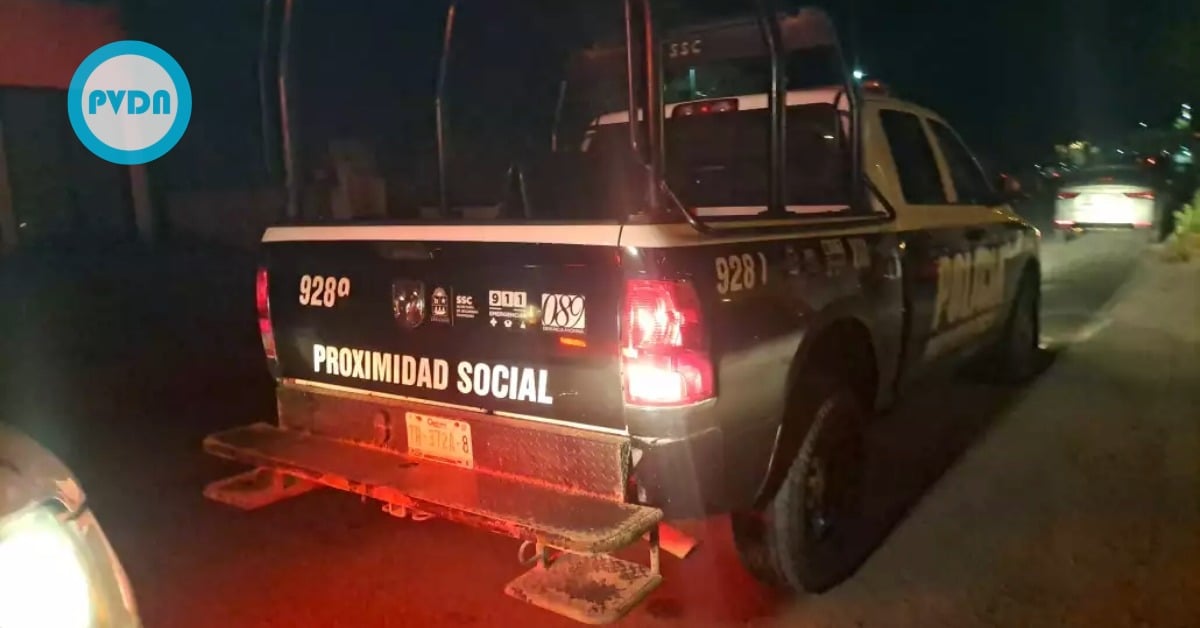
Foreign drivers say officers demanded card payments during roadside stops near Tulum’s coastal zone. The allegation—now under official investigation—touches a sore nerve in a city that depends on visitors feeling safe and welcome. Authorities publicly promise zero tolerance, but locals and recent travelers say the problem didn’t start this week. As the case moves forward, the question is simple: will the probe lead to discipline and policy fixes—or will it fade as another viral complaint in a destination that can’t afford to look the other way?
Authorities in Quintana Roo have opened an investigation into alleged police extortion of foreign drivers in Tulum after reports that officers demanded on-the-spot payments during traffic stops near the coastal corridor. The initial account, published on October 1 by Por Esto!, noted that officials were notified following citizen complaints related to checks around the tourist zone. The outlet reported the case had been moved for review by the relevant authorities.
Other local coverage has echoed the claims. Travel trade publication Reportur described U.S. tourists being stopped near the Kukulcán extension, close to the beach area, and pressured to pay to avoid detention for not carrying a physical driver’s license. That report, published the same day, mirrors details circulating on local social media and traveler forums.
Background and what’s new in these complaints
The allegation itself isn’t new in Tulum: last year, municipal internal affairs opened an inquiry after a video appeared to show officers asking tourists for a payoff. English-language local outlet Riviera Maya News reported that the 2024 probe was initiated, citing orders from the then-mayor to investigate. The current case differs in one unsettling detail: multiple posts and local write-ups describe card-terminal charges processed roadside, with amounts exceeding $1,000—suggesting a more organized “pay-and-go” dynamic rather than the familiar cash shakedown. Authorities have not publicly confirmed the use of point-of-sale devices, but the claim has fueled public anger and heightened the urgency of the new investigation.
In recent months, state officials have tried to project a tougher stance on corruption and extortion, highlighting legislative efforts and “zero-tolerance” rhetoric. Governor Mara Lezama and the state security leadership have repeatedly promoted anti-extortion measures, and local media have reported a decline in extortion complaints across the state. Whether those gains translate to day-to-day traffic policing in a fast-growing resort town is the test now facing Tulum.
What visitors and locals should watch next
For a destination that relies heavily on tourism, official follow-through matters as much as opening a file. In previous cases, authorities stated that corrupt officers would be removed and held accountable; Riviera Maya News reported on one recent probe, which was shared directly by the governor on her public program. Outcomes—discipline, restitution, and clearer guardrails—will be the markers that show this is more than a headline. If the investigation confirms misconduct, the city’s traffic stops and coastal checkpoints will require tighter oversight, body camera compliance, and transparent complaint channels to rebuild trust.
Context also matters. Tulum’s security institutions remain under pressure after a violent stretch earlier this year, including the March assassination of the municipal security chief during an operation in La Veleta. The episode underscored how fragile public confidence can be—and how quickly it can erode when everyday interactions, like a traffic stop, feel like a toll booth.
Tulum police extortion allegations are now an active case. Officials acknowledge the complaints; credible local outlets have documented similar episodes in recent years. The measure of progress will be visible discipline, policy changes at checkpoints, and a paper trail that the public can see.