When María Luisa Albores went on Telereportaje this week, she cut through months of speculation. The federal chocolate plant will be built in Comalcalco, Tabasco, and work will begin in 2026. It is a simple sentence with big implications for Mexico’s cacao heartland.
The confirmation did not arrive as a press note. It came in an interview, on local airwaves, where expectations meet daily life. The message was clear: the project is real, the site is chosen, and the opening push is funded.
Chocolates del Bienestar plant Comalcalco
Albores, now leading Alimentación para el Bienestar and formerly the federal environment secretary, detailed the first phase. The initial investment is 50 million pesos to transform cacao into three products that will ship nationwide. The plant is slated to start after the first half of 2026.
This is not only a factory plan. The blueprint includes a public walkthrough so visitors can follow the path from seed to chocolate. It is a nod to Comalcalco’s identity and the appeal of seeing how food is made.
What the project includes
The state will donate the land, according to Albores. The plant would occupy about two hectares next to an old hacienda, a location chosen to revive a broader cacao route. It hinges the industrial with the historical, hoping to turn production into an experience.
Staffing is also part of the promise. The goal is for Tabasco residents to operate the plant. A federal program that creates local work where cacao grows is a powerful pitch in a region that knows the crop.
Who will run it, and where
Albores framed the project as a public investment for a public purpose. She said the plant’s capital will come from Alimentación para el Bienestar, while the land comes from the state government. That split aims to speed the ground prep and the build.
Comalcalco did not just win a site selection. It became the stage for a wider effort to connect production, tourism, and local jobs under a single roof. The setting beside the ex-hacienda is central to that story.
From bar to powder, what they plan to make
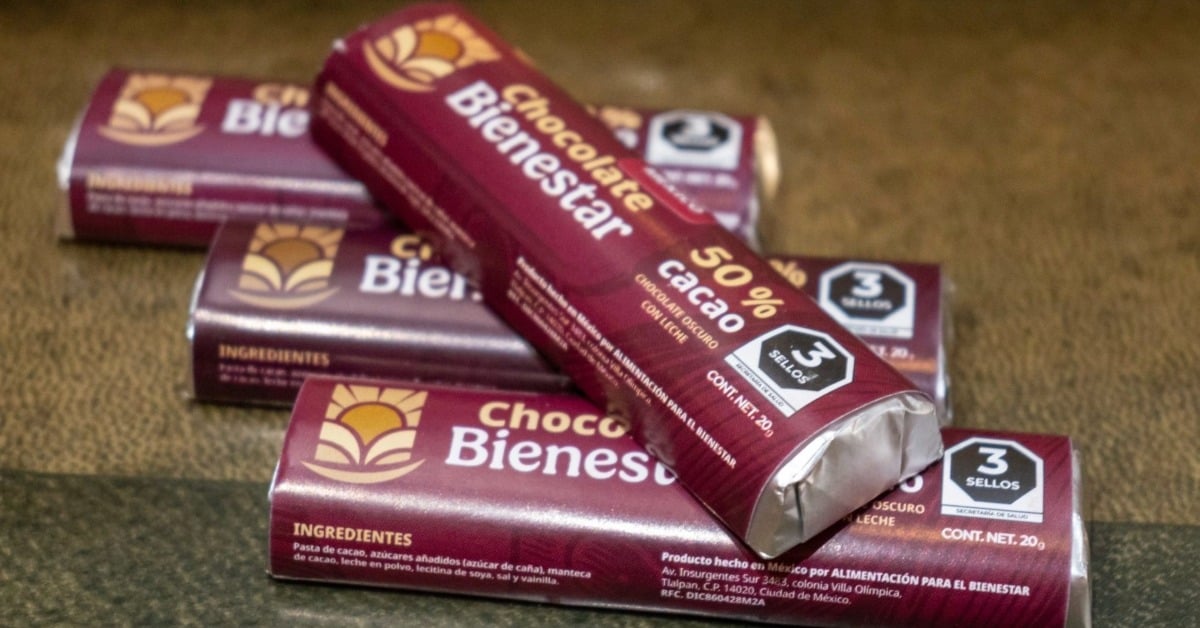
The first lineup is compact and familiar: a snack bar, table chocolate, and cocoa powder. The hook is the recipe. Albores said the products stand apart for higher cacao content and for avoiding artificial flavorings and preservatives. Sweetness comes from cane sugar, not refined mixes or edulcorants.
The plan starts at home. Sales begin in Tiendas del Bienestar, the federal network of shops. The price point for the bar is 14 pesos, set to be the same across those stores, with an option to scale into private chains and even foreign markets over time.
What comes next
Right now, the chocolates are being made under contract. The bar is produced with Cacep, and the table and powder products with another fine-chocolate firm. The goal is to bring that work in-house once the Comalcalco plant opens. Interest has already arrived from abroad, including from a Japanese company.
Albores also noted that a separate push on API products is planned, though not in Tabasco. That first stage will focus on Yucatán and Campeche. It underscores how the program is mapping different value chains to where they fit best.
For Comalcalco, the timeline is set. The work begins in 2026, after midyear, on land donated by the state. The promise is straightforward: local jobs, national distribution, and a visitor route that turns cacao into a public experience. The details will matter in the months ahead, but the direction is now public and on record.