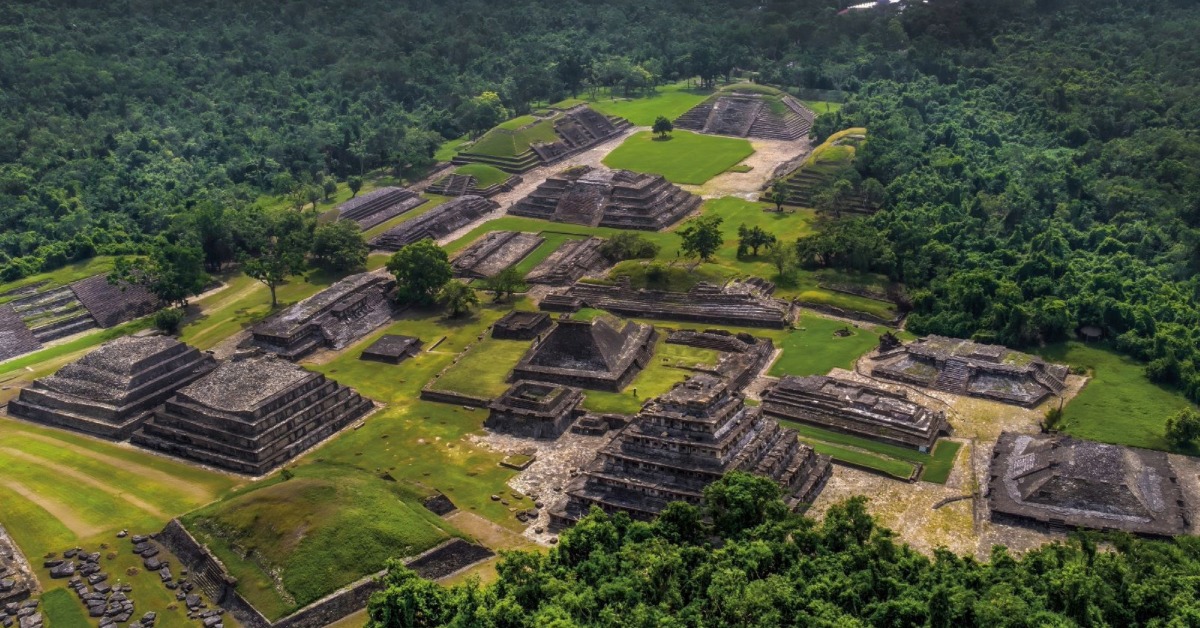
Anyone thinking about a spring equinox trip to Mexico’s most famous ruins should expect a more controlled visit this year. The annual rush is no longer just a cultural tradition or a tourism draw. It is now a crowd-management operation stretching across dozens of archaeological zones. For readers outside Mexico, that matters because it affects when you can enter, where you can stand, and what authorities will not allow inside.
A spring weekend that now needs planning
Anyone planning to visit Mexico’s best-known ruins this weekend should expect a tighter experience. INAH will apply a national spring equinox operation from March 20 to 22 at 45 archaeological sites in 20 states. The agency says the focus is on public safety, crowd flow, and site protection. The equinox arrives on March 20 at 8:46 a.m. Central Mexico time, but the biggest crowds usually spill into the full weekend. For many readers, the practical takeaway is simple: this is no longer the kind of outing people can treat casually.
Across the operation, visitors will face stricter entry rules. Pets, alcohol, drugs, weapons, and bulky bags are not allowed. Authorities are also urging visitors to respect capacity limits, restricted areas, and site-specific schedules. Those details matter because not every archaeological zone will operate the same way, even though the national message is consistent.
Why the equinox still draws huge crowds
The spring equinox has become one of the most visible public rituals at Mexican archaeological zones. At Chichén Itzá, visitors gather for the light-and-shadow effect on El Castillo, where the image of a descending serpent appears on the pyramid. At Teotihuacan, crowds still arrive in large numbers to welcome the season, often dressed in white.
That last custom is important to understand. The idea of going to a pyramid to “charge energy” is widely recognized today, but researchers say it is a modern practice rather than a documented pre-Hispanic rite. Even so, it remains a powerful draw for domestic and foreign visitors alike. Last year’s equinox operation brought more than 192,000 visitors to archaeological zones nationwide, with Teotihuacan and Chichén Itzá receiving the largest crowds.
What will change at the biggest sites
The tighter controls are easiest to see at the country’s flagship zones. Teotihuacan will use special opening hours on March 21 and 22. Climbing the Pyramid of the Sun remains prohibited. Authorities are also barring drones, oversized bags, and other items that complicate access and monitoring. The effect is a visit that will feel more regulated from the moment people arrive.
At Chichén Itzá, some high-demand areas will stop admitting visitors earlier in the afternoon. The goal is to shift more people toward the main viewing area near Kukulcán, where the expected equinox effect draws the heaviest concentration. Authorities there are also restricting ceremonies, bulky objects, alcohol, weapons, and some professional photo equipment without prior approval. Some access points and internal circulation plans will also be adjusted to move visitors out more efficiently.
The larger issue behind the stricter rules
This story is about more than a busy holiday-style weekend. It reflects a broader tension in Mexican tourism and heritage policy. Archaeological zones are open to the public, but they are also fragile national landmarks. One crowded event can strain walkways, staffing, surveillance, and preservation efforts all at once.
That is why the equinox now looks less like a spontaneous seasonal gathering and more like a managed public operation. Mexico is not trying to shut down the tradition. It is trying to preserve a popular tradition without putting more pressure on monuments already under heavy tourist demand. For travelers, residents, and casual visitors, the message is clear: the equinox remains open, but access now comes with firmer boundaries.
With information from INAH