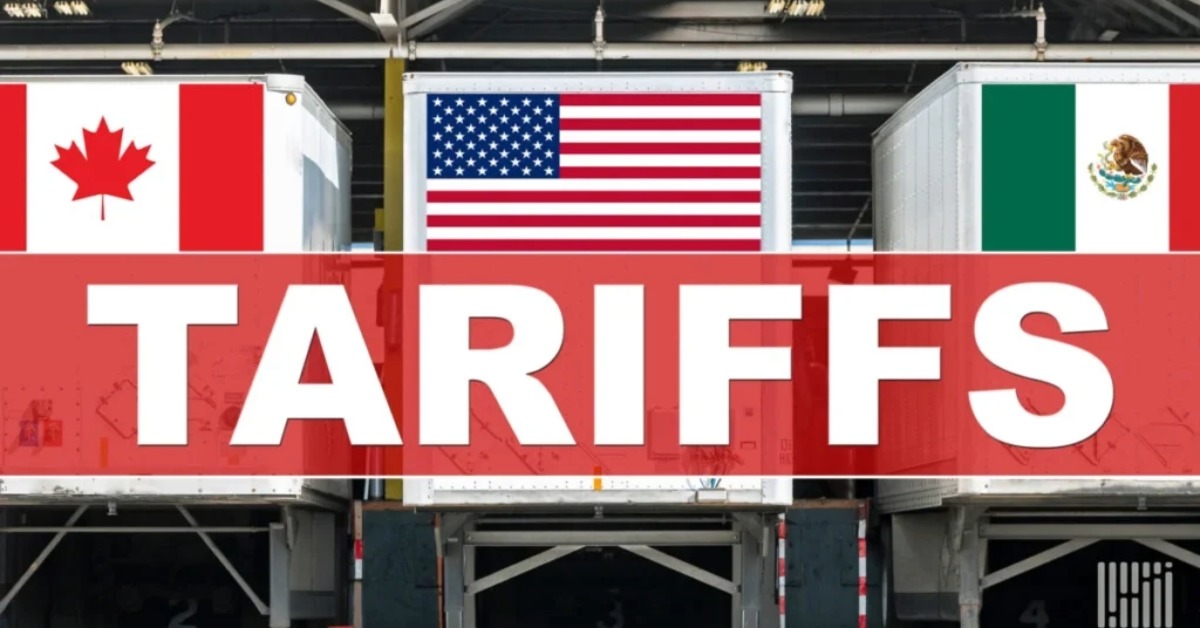
A new 10% U.S. import surcharge is now being collected at the border. Many shipments are covered, but not all. Goods that qualify for USMCA/T‑MEC duty‑free entry from Mexico are carved out. The exception still turns on paperwork and origin rules. The order also includes product exclusions and a brief grace period for cargo already in transit. Officials are discussing a higher rate, and importers are watching the clock. Here is what is exempt, what is not, and what it could mean from Mexico.
U.S. importers are now paying a 10% global tariff on most goods entering the country. A new temporary import surcharge took effect early Tuesday. It began at 12:01 a.m. Eastern on Feb. 24. That was late Monday night in Mexico. The measure applies to shipments from every country, unless an exemption applies. For Mexico, the main carve‑out is for USMCA/T‑MEC duty‑free goods. That keeps many cross‑border supply chains on their existing terms. The tariff relies on Section 122 of the Trade Act of 1974. The administration turned to that tool after a Supreme Court ruling. The court said the earlier emergency tariff program lacked legal support. The surcharge lasts 150 days unless Congress extends it. It can also be changed by a new presidential action. Officials have signaled that work is underway on a higher rate, up to 15%. No increase is in force yet. The short clock matters for pricing and routing. It also raises the value of claiming preferential treatment at entry.
How the 10% surcharge is applied
The surcharge is an ad valorem duty. It is calculated as a share of the declared value. In most cases, it stacks on top of normal tariff rates. It also adds to the fees and taxes due at the border. The proclamation includes product carve‑outs tied to supply needs. It also reflects existing trade remedies. Several categories are excluded, including some energy products and critical minerals. It also excludes specified agricultural items, pharmaceuticals, and ingredients. Some electronics are also on the list. The order avoids double‑counting with Section 232 measures. Where a sector tariff already applies, the surcharge does not apply on that same portion. There is also a narrow rule for goods already moving. Cargo loaded and in transit before the start time can avoid the charge. It must clear by Feb. 28. Unless Congress extends it, the window runs through July 24, 2026. That gives importers a fixed end date to plan for.
Why Mexico’s USMCA T-MEC goods are exempt
For Mexico‑based manufacturers, the main exemption is USMCA/T‑MEC treatment. The exemption is tied to entries made free of duty under the agreement. That is not automatic. The product must meet the agreement’s rules of origin. The importer must also claim the preference at the time of entry. That claim depends on certification data kept on file. If a shipment from Mexico does not qualify, the surcharge can apply. The same is true if the claim is not made. The exemption is written the same way for Canada’s duty‑free USMCA goods. For Mexican exporters, origin documentation becomes a cost item, not a formality. Many firms will recheck supplier declarations and regional content calculations. Some will also revisit whether to claim USMCA treatment on every entry. The distinction matters most for complex goods with global inputs. Origin results can shift when inputs or production steps change. In effect, the policy does not treat Mexico as blanket‑exempt. It treats qualifying USMCA entries as exempt. Everything else falls back to standard treatment plus the 10% surcharge.
What it could mean for expats in Mexico
For expats living in Mexico, the duty is collected at the U.S. border. It is not a Mexican import tax. Any effects in Mexico will be indirect. People who shop in the United States may face higher prices on imported goods. The size of any change depends on retailer pricing. Some expats also run small firms that sell into the U.S. market. For them, a correct USMCA claim can remove the 10% surcharge. That can shift margins on small orders. The policy also links to the suspension of de minimis duty‑free treatment. Low‑value parcels shipped into the United States can now face duties. That can include this surcharge when no exemption applies. For households, it may matter most for online shopping shipped to a U.S. address. For Mexico’s economy, the near‑term split is between qualifying and non‑qualifying exports. Companies may adjust their sourcing to comply with USMCA rules. Others may pay the duty and pass it on.
Key dates and next steps
What happens next depends on whether the White House changes the rate. Section 122 allows up to 15%. Moving from 10% to 15% would require a new action. It would also require updated collection guidance at the border. Officials have also pointed to other tariff tools. One is Section 301, which requires investigations and a process. Another is Section 232, which covers certain sectors for national security reasons. Those measures sit outside the surcharge framework. Legal disputes are also continuing over tariffs collected under the earlier emergency program. A key issue is how refunds would work for importers. For Mexico, the near‑term focus is practical. Companies will watch how the exemption is applied at the entry. They will also watch changes to the excluded product lists. The calendar is fixed for now. The surcharge is scheduled to lapse on July 24 unless Congress extends it. The administration could also end it early.