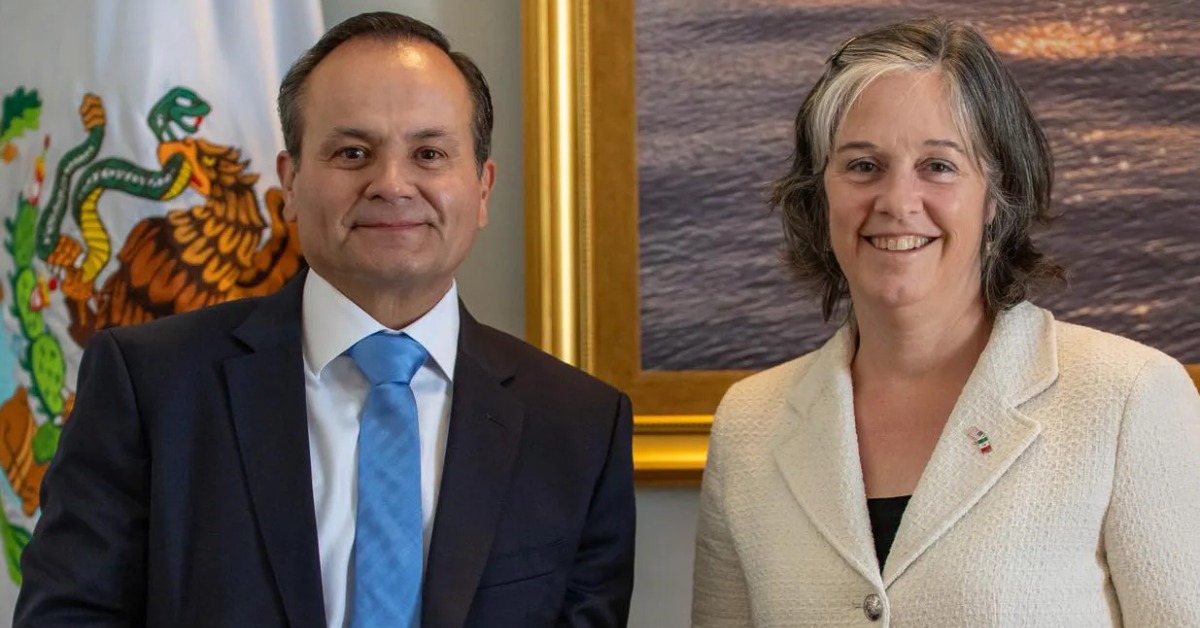
A diplomatic visit to Chapala may look routine at first glance. But in a lakeside municipality with deep ties to U.S. residents, tourism, and cross-border services, even a short meeting can carry wider meaning. The latest talks between Chapala’s mayor and the U.S. consul general in Guadalajara did not produce a formal agreement, but they did highlight why local diplomacy matters in one of Mexico’s most internationally connected communities.
Why the meeting matters
A recent meeting between U.S. Consul General Amy Scanlon and Chapala Mayor Alejandro Aguirre Curiel put fresh attention on a relationship that has long mattered to the Lake Chapala region.
The public message around the visit was centered on bilateral cooperation and regional development. That language can sound broad, but in Chapala, it has practical weight. This is not just another municipality in Jalisco. It is part of a lakeside area known for its large community of foreign residents, especially people from the United States and Canada. For that reason, ties between local government and the U.S. consulate can affect daily life in ways that go beyond ceremonial politics.
The meeting did not come with a public announcement of funding, a signed accord, or a list of projects. That is an important distinction. What it did show was a shared interest in maintaining open direct communication between Chapala’s municipal government and the U.S. diplomatic office that serves western Mexico. In places with a visible foreign population, that kind of access can matter as much as a formal deal.
The official message from the U.S. side framed the encounter as part of a broader effort to deepen ties with local communities and support regional development. That wording suggests the visit was meant to reinforce an ongoing relationship, not launch a single isolated initiative. For readers living in the area, that may be the clearest takeaway.
More than a courtesy visit
For international readers, it helps to understand what the U.S. Consulate General in Guadalajara actually does. Its work is not limited to visas or emergency assistance. It also serves as a key diplomatic link with state and local authorities across its region, including places like Chapala, which maintain steady contact with U.S. citizens, businesses, and visitors.
In a municipality like Chapala, it can touch several areas at once. There is the obvious consular side, since U.S. citizens living in or visiting the region may need passports, notarial services, or help during emergencies. There is also the economic and civic side, where local leaders are interested in maintaining stable ties with a foreign community that contributes to the area’s housing market, service economy, cultural life, and tourism profile.
That does not mean municipal policy is written with foreign residents in mind. Chapala remains a Mexican municipality with local priorities that affect everyone, from long-time families in the area to newer arrivals. But it does mean that cooperation with the U.S. consulate can carry added significance here. A stronger working relationship can improve communication during security incidents, public service issues, community outreach, and moments when local decisions have an outsized impact on an international population.
The visit also reflects the reality that local diplomacy often happens far from national headlines. Cross-border relations are not shaped only in Mexico City or Washington. They are also built in municipal offices, consular meetings, and day-to-day contact between local officials and foreign institutions.
Why Chapala draws this kind of attention
The Lake Chapala area has long stood apart from many other parts of Mexico because of its international profile. Ajijic, which is within the municipality of Chapala, is one of the country’s best-known destinations for foreign retirees and seasonal residents. Its recognition as a Pueblo Mágico added another layer to the region’s visibility, especially for tourism and place branding.
That matters because development in Chapala is not only about roads, permits, and municipal budgets. It is also about how the town manages growth, protects its identity, and responds to the pressures that come with global attention. As more outsiders discover the area, local authorities face a balancing act. They want investment, visitors, and economic activity, but they also face concerns about infrastructure, public services, housing pressures, and the pace of change.
Against that backdrop, a meeting with the U.S. consul general can be read as part of a broader effort to position Chapala as both locally grounded and internationally connected. For municipal leaders, that can help support confidence in the area. For the U.S. side, it acknowledges a community where American citizens have a visible and lasting presence.
There is also a practical reason these ties matter. The lakeside region is not simply a retirement enclave. It includes business owners, nonprofit groups, artists, volunteers, seasonal visitors, and mixed families with cross-border ties. Many of them move regularly between systems, languages, and legal frameworks. When a local issue emerges, whether it involves public safety, documentation, mobility, or civic coordination, those international links become more than symbolic.
What development could mean from here
The phrase “regional development” can cover many things, which is partly why the meeting deserves a closer look. In official language, the term often includes tourism promotion, cultural exchange, community outreach, and institutional cooperation. It can also point to an effort to keep communication smooth in a region that depends on trust between residents, authorities, and outside partners.
Still, readers should be careful not to read too much into the announcement. No detailed policy package has been made public. There was no public roadmap tied to infrastructure, investment, or specific joint programs. At least for now, the significance lies more in the signal than in any announced deliverable.
That signal is straightforward. Chapala wants to maintain a constructive relationship with the U.S. consulate, and the consulate sees value in direct engagement with Chapala. In a place where the local economy, tourism image, and foreign resident community overlap so heavily, that alone is meaningful.
For expats and other international readers, the story is not that a single meeting will transform the region. It is that Chapala continues to occupy a special place in the relationship between local Mexico and the U.S. presence in western Mexico. When those ties are active, communication tends to improve. When communication improves, so does the town’s ability to navigate the complex realities of growth, identity, and shared community life.
That may be the most important context behind this visit. It was not just a photo opportunity. It was a reminder that Chapala’s international character remains central to how the municipality is seen, how it develops, and how it manages its place within a wider cross-border community.