Chapala, Jalisco – President Claudia Sheinbaum dismissed concerns Friday that the planned aqueduct from the Solís Dam in Guanajuato would cut off water supplies to Lake Chapala, the primary source for the Guadalajara metropolitan area. Her comments came amid growing public unease and a formal appeal from Jalisco’s governor to pause or reevaluate the project.
Sheinbaum told reporters that the federal government would not promote any project that amounted to a “water grab” from one state to benefit another. “How do you think water would be taken from one state to give it to another? It’s ridiculous. A project that took water from a state would never be done,” she said, framing the Solís-to-León pipeline as one built with alternatives and shared-basin cooperation in mind. She backed the National Water Commission (CONAGUA) director Efraín Morales and noted that a working group on basin management was already in place, negating the need for a new convening.
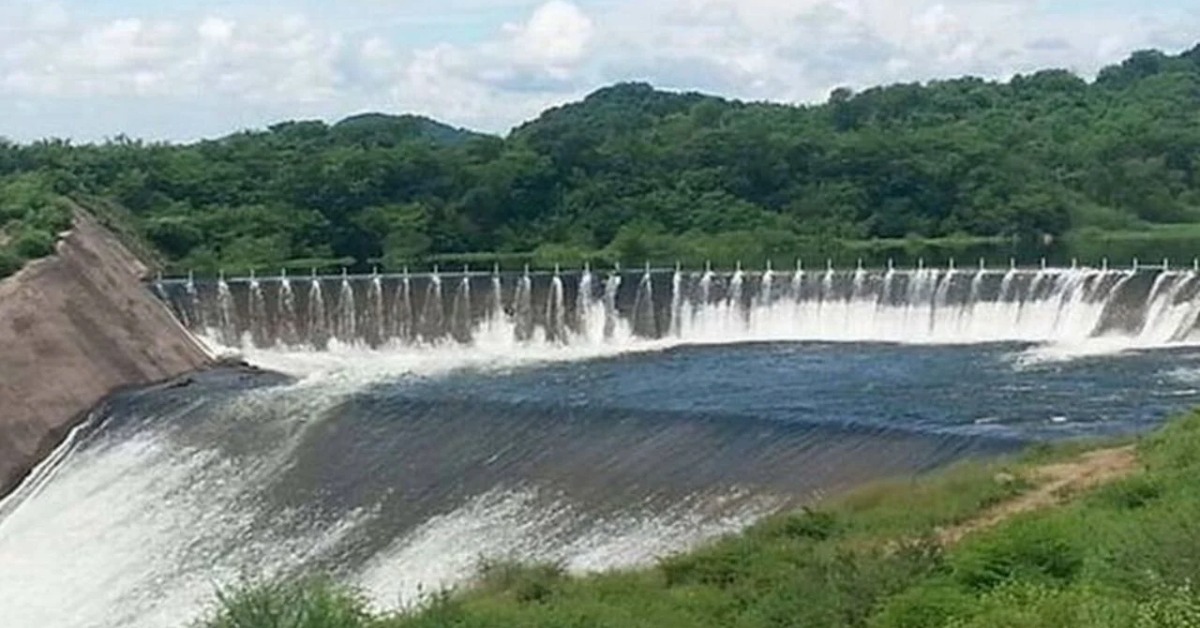
The dispute centers on a key piece of the federal Plan Nacional Hídrico 2024–2030: a roughly 140-kilometer aqueduct intended to carry 3.8 cubic meters per second of water from the Solís Dam to industrial and urban centers in Guanajuato, including León, Irapuato, Celaya and Silao. Jalisco officials fear diverting that volume could undercut the fragile recovery of Lake Chapala, which has seen modest gains in water level after years of decline.
Sheinbaum denies Chapala water loss
Jalisco Governor Pablo Lemus Navarro has publicly urged federal authorities to “reconsider” the project, framing his appeal not as flat opposition but as a call for more rigorous dialogue and assurance that Lake Chapala’s recent improvements are protected. At a water forum held July 31 at the Cabañas Museum, Lemus pressed for a basin-wide table with stakeholders from Jalisco, Guanajuato, Querétaro, Michoacán and the State of Mexico to assess potential impacts and clarify shared extraction rules.
Lemus warned that diverting water from Solís could weaken one of the key buffers sustaining Chapala’s level. The dam has historically supplied surplus flows into the lake during times of relative abundance—15 such transfers have occurred over the past two decades to shore up the lake. Those contributions, he and local water managers argue, are part of a delicate equilibrium in the Lerma-Chapala-Santiago watershed, where urban demand, agriculture, and environmental recovery compete for limited supply.
The tension deepens against the backdrop of another contested infrastructure proposal in Jalisco: Lemus’s own push for a replacement or supplemental Chapala-to-Guadalajara aqueduct. He has sought financing to modernize the aging pipeline that currently delivers lake water to the Guadalajara metro area, arguing that a new system would reduce losses and stabilize supply—not expand extractions. That initiative has faced skepticism from local activists who fear it could be repurposed in the future to justify higher withdrawals, even as Lemus insists his goal is efficiency and protection of the lake’s gains.
The debate underscores a recurring challenge in Mexican water governance: how to balance regional development needs with stewardship of shared and fragile resources. The Lerma-Chapala basin has long been a flashpoint for inter-state friction, and the addition of the Solís aqueduct proposal has reignited questions about transparency, historical agreements, and the mechanisms for allocating flows when supply stress increases due to urban growth and climate-related variability.
Sheinbaum’s framing centers on cooperation and the idea that basin-wide management can accommodate both the new transfers to Guanajuato and existing commitments to Jalisco. She emphasized that many Mexican river basins are shared and managed through negotiated arrangements, suggesting that the current framework already contemplates contingencies to prevent harm.
But for Jalisco officials and some environmental observers, assurances are not enough without clearer, bound commitments and stress-testing of the proposed flows. The concern is that once infrastructure is built and water is reallocated, reversing course becomes politically and technically difficult—even if downstream effects begin to erode hard-won ecological improvements at Chapala.
The path forward will likely hinge on whether federal and state actors can formalize a transparent, enforceable agreement that includes independent monitoring, clear triggers for review, and contingency mechanisms if Lake Chapala’s levels falter. Any perception that one state’s growth comes at the expense of another’s environmental security could deepen regional mistrust, making cooperation harder in subsequent disputes.
For now, Lake Chapala’s recent gains remain precarious. The project to carry water from Solís to León is moving ahead under the national plan, even as Jalisco presses for a pause or recalibration. The dialogue that Sheinbaum cited exists in theory; whether it produces durable, basin-wide safeguards will decide if the Solís aqueduct becomes part of a balanced regional water strategy—or a new fault line in Mexican inter-state resource politics.