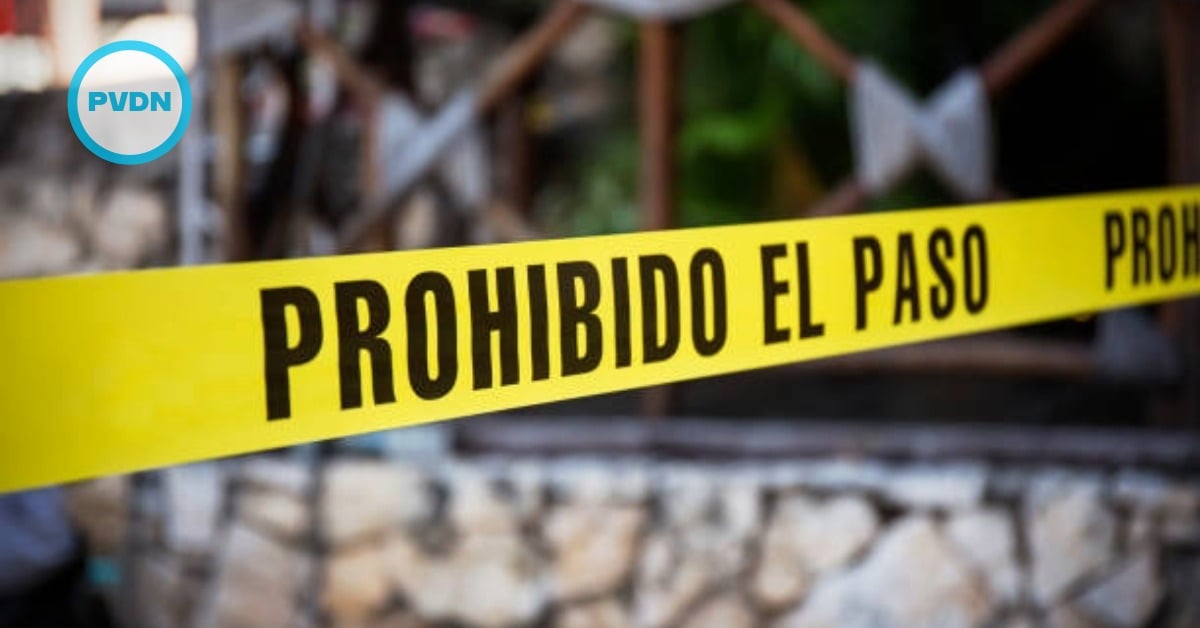
Jalisco authorities confirmed the recovery of Zapopan human remains contained in 48 bags from a clandestine site on the metropolitan edge of Guadalajara. The area, known locally as Arroyo Hondo in the municipality of Zapopan, remains under forensic processing while investigators grid the terrain and catalogue evidence. Officials have not estimated how many victims these bags may represent.
The site was first pinpointed several weeks ago by members of Guerreros Buscadores de Jalisco, a volunteer collective that searches for the missing alongside state teams. Since then, state investigators and the National Search Commission have used machinery to open sections of the ground and continue recovery. The vice prosecutor for missing persons said the count reflects ongoing work and could change as searches proceed.
Authorities stressed that forensic analysis will determine identities and the cause of death. “We need progress in the laboratory before we can say how many people these bags correspond to,” the vice prosecutor said. For families who have spent months traveling between search sites and morgues, that wait is the hardest part.
This discovery fits a bleak pattern for Jalisco, which has recorded repeated finds of clandestine graves and dump sites around Guadalajara’s suburbs in recent years. In July, reporters documented hundreds of bags exhumed from the Las Agujas area of Zapopan—an enormous property where searchers identified multiple points of interest with drones and careful trenching. That site alone underscored how broad and patient the work must be to recover and identify the missing.
What happens next
From here, the process is methodical. Teams continue mapping the property into quadrants, recover evidence, and log it for chain of custody. Forensics specialists then clean, sort, and analyze the remains. Only after that can comparisons begin—tattoos and scars, dental records, DNA—leading to notifications and, eventually, funerals. State officials said recovery will continue at the Arroyo Hondo site, with support from federal search-and-rescue authorities, until the terrain is fully cleared. Families will be updated as lab work advances.
Context matters inside homes as much as it does on maps. Jalisco’s capital region has become a place where families learn to read a hillside the way others read a weather report—watching excavators, counting evidence bags, and hoping for the phone call that ends a long, suspended grief. The number “48” is not a headline to them; it is a question with names on the other side. Authorities ask residents to avoid the restricted zone around the site and to share any information that could help with identification.