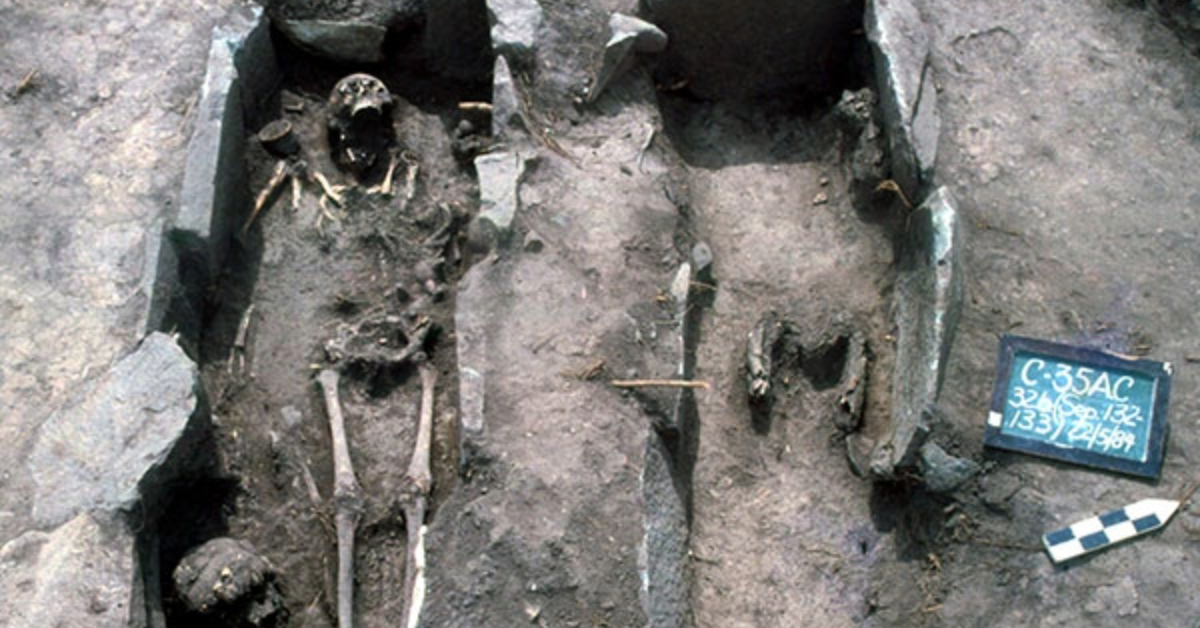
A little-known chapter of Sinaloa’s past just resurfaced. In the remote community of Palos Verdes, archaeologists uncovered Guasaveño crematoriums and an ossuary, revealing the funerary customs of the region’s ancient inhabitants.
The Guasave Archaeological Project, backed by Mexico’s National Institute of Anthropology and History (INAH), ran from June 11 to July 11, 2025. The team recorded discoveries never seen before in this part of Sinaloa: a collective ossuary and two crematoriums, one likely built for infants.
Rodrigo Vivero Miranda led the project with support from the INAH Sinaloa Center, local residents, and funding from the U.S. National Science Foundation. Their findings shed light on a culture whose mortuary practices remain largely undocumented.
A crematorium built for children
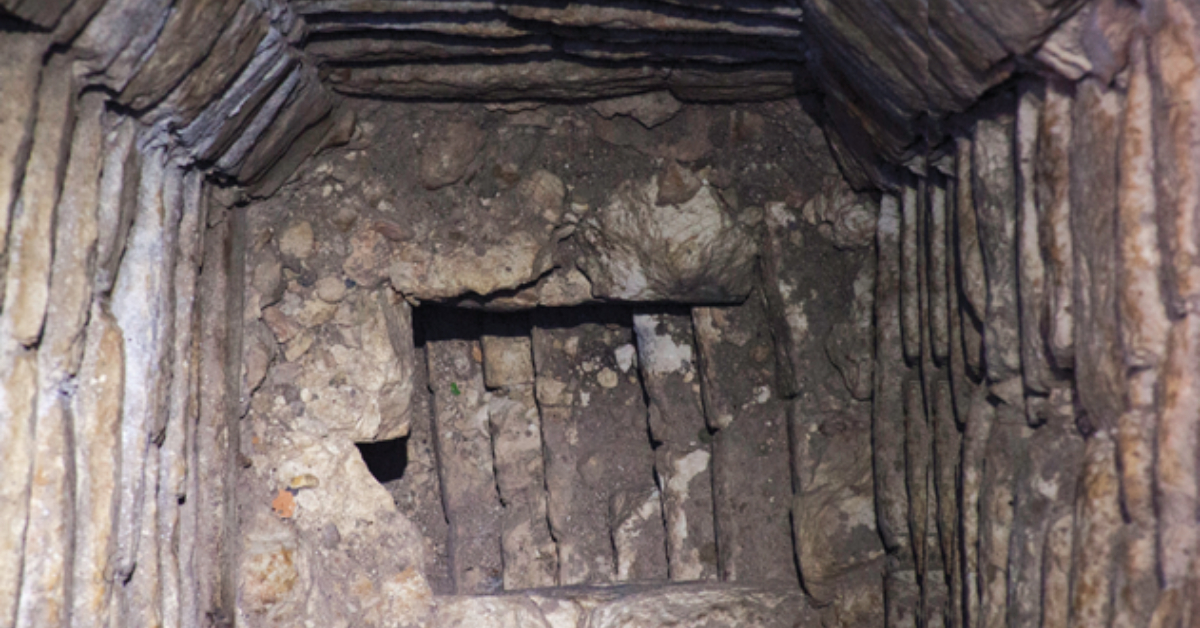
One of the most striking discoveries was a small cremation chamber, only 1.20 meters long and 60 centimeters wide. Its adobe and ground shell walls suggest it was carefully constructed. Inside, archaeologists found charred skeletal fragments, very small and lacking teeth or long bones.
The size and condition of the remains point to infant cremation. “There’s strong evidence of high infant mortality,” said Vivero Miranda. Fragments of Aztatlán pottery, used between 600 and 1000 AD, offer clues to the crematorium’s age.
A second Guasaveño crematorium hints at complex rituals
Roughly a week later, the team found another crematorium, larger at 2.50 meters by 1.40 meters. This one contained no visible bones, but it held a large amount of ash and charcoal.
Researchers believe families may have removed the bones after the cremation, suggesting a more elaborate ritual. Both crematoriums share the same orientation and structure, which supports the idea of a ceremonial purpose.
Shell middens near the dead
The cremation sites sit near shell middens, mounds used for processing seafood and river products. Their location suggests that people once lived and cooked near where they also honored and cremated their dead.
This layout supports the idea that Guasave families lived alongside their deceased, possibly worshiping ancestors. Researchers also believe social differences could have influenced how people were buried or cremated.
Other parts of northern Mexico and the southwestern U.S. show similar cremation practices. Sonora has crematoriums dating to 200 AD, while Arizona sites range from 1100 to 1300 AD. These parallels suggest the ritual use of cremation was more widespread than previously known.
An ossuary holds four lives
Alongside the Guasaveño crematoriums, the team found a mass burial site—a collective ossuary. Four individuals lay aligned along a northwest-southeast axis, matching the cremation structures.
Atop the bones were two skulls with signs of cranial modification, a common feature in pre-Hispanic societies. Beneath them lay the partial skeleton of a young boy, likely aged 10 to 15.
A similar burial appeared in the 1930s, documented by archaeologist Gordon Ekholm. He found it at another site in Guasave, linked to the Huatabampo phase, which dates from 650 to 1000 AD.
Piecing together Guasaveño crematorium’s history
These findings offer rare insight into Guasaveño funerary customs. The combination of crematoriums, ossuaries, pottery, and modified skulls points to a complex ritual culture that archaeologists are still unraveling.
Rodrigo Vivero Miranda plans to continue the research. He emphasized that community involvement will remain central as they preserve the site and explore further.
“These findings don’t just tell us about the past,” he said. “They help the community of Palos Verdes reconnect with its roots.”
The Guasaveño crematoriums and ossuary may redefine what we know about ancient life in northern Mexico—one charred bone at a time.
Sinaloa archaeology, Guasaveños, INAH, pre-Hispanic cremation, ossuary discovery, Mexican history, Palos Verdes