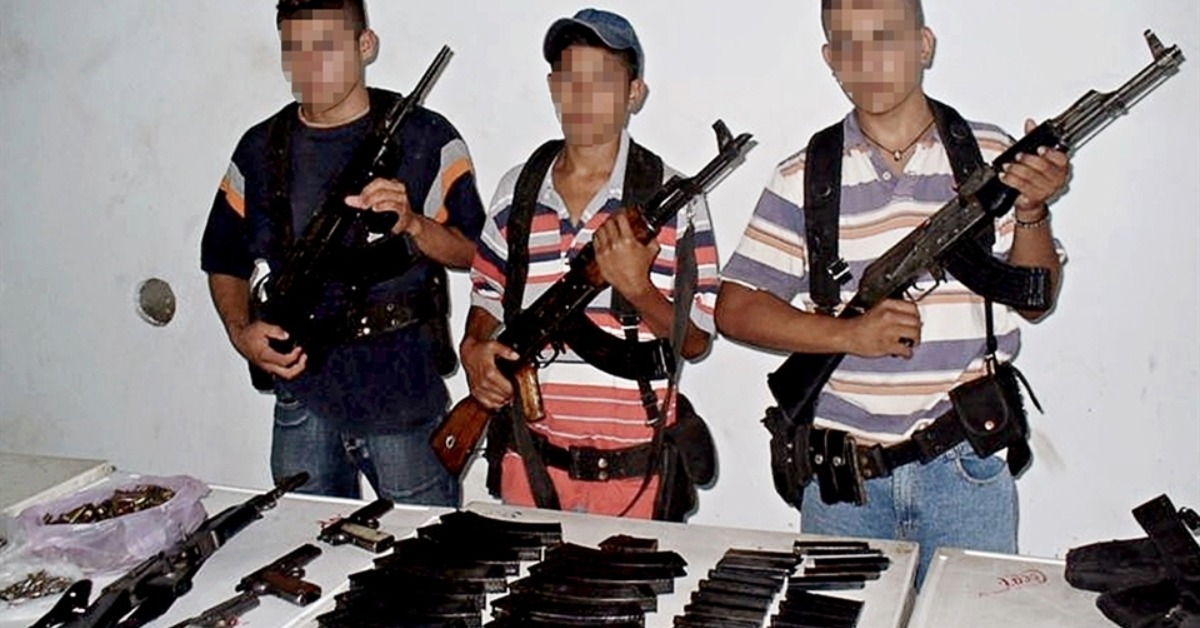
When violence flares, attention turns to the gunmen and roadblocks. Less visible is the pipeline that keeps supplying young people to criminal groups. In many cases, joining is only the first step. Staying becomes the harder, and more revealing, part of the story. The forces that lock adolescents in can take the form of wages, protection, and status. They can also look like fear, debt, and isolation. This report breaks down what keeps young recruits from walking away, and what communities can do to compete.
A spike in violence and a hidden labor market
In late February 2026, federal forces killed the CJNG’s top leader in Jalisco. The days that followed brought roadblocks, arson, and sudden shutdowns in parts of western Mexico. For residents, including many foreigners in tourist corridors, the disruption felt immediate and local. The larger question is longer-term. Why do adolescents and young adults keep showing up in the ranks, even when violence is visible? Recruitment is part of the answer, but retention explains why the cycle persists. Criminal groups need a steady flow of labor because losses are constant. Violence, arrests, and internal disputes lead to turnover that must be replaced quickly. Research that models cartel size with homicide, disappearance, and incarceration data suggests groups survive by bringing in hundreds of recruits each week. That pressure pushes recruiters to look beyond hardened criminals. It also makes young people, especially those with limited options, central to how these organizations function. Understanding retention helps explain why crackdowns rarely end the pipeline on their own.
How dependence becomes loyalty
Retention often starts with normal needs. A group offers money, transport, food, or a place to sleep. It offers status when schools, employers, and local institutions feel out of reach. Over time, that support turns into dependence. Small payments, gifts, and favors can become a running debt. A criminal network can act like an employer and a social circle at once. It frames loyalty as protection, and punishment as discipline. It can also claim to solve everyday problems, like disputes or access to work. Culture plays a role here. Narcoculture and social media can turn violent work into a public identity with symbols, music, and shared jokes. For some teens, that identity is more available than a formal career path. For others, it is the only network that responds quickly to a crisis at home. The result is a form of soft power that binds people before overt force is even needed.
When force enters the picture, it usually reinforces an existing bond. Leaving can trigger threats to family, retaliation, or demands to repay money and favors. In some cases, departure is treated as betrayal. Young recruits may be pushed into tasks that expose them to legal liability and social stigma. That narrows safe exit routes. In communities with recurring violence, the group’s control can extend into daily routines. It can monitor movement, phones, and friendships. It can punish hesitation during a crisis, when leaders expect public shows of loyalty. This is why retention is not just about wages. It is about coercion, surveillance, and the loss of alternatives. Civil society groups that track child protection warn that tens of thousands of minors may be recruited or used. Many more are considered at risk, even without direct contact yet. Those estimates vary, but they point to the same pattern: recruitment is easier where exit is dangerous.
The online gateway
The entry point is increasingly digital, which shifts the risk landscape for families. Digital recruitment can start with a direct message, a gaming chat, or an ordinary-looking job ad. Some offers promise quick pay, travel, and housing. Others target teenagers who post about money stress, conflict at home, or a desire to belong. It can be hard to verify who is behind the account. Once contact is established, the relationship often moves offline. That step is where vulnerability spikes, because identity checks, transportation, and isolation can be controlled. For expats raising teens in Mexico, the language barrier can cut both ways. Some young people have more online reach across borders. Others have less access to trusted local adults who can spot warning signs early. The same dynamic applies to newly arrived migrants and to local youth who move for work. The recruitment message adapts, but the core logic stays the same: reduce choice, then sell belonging.
What prevention has to compete with
Prevention has to compete with the practical benefits that recruiters claim to offer. That starts with safer routes to school and work, and with youth services that stay open during insecurity. It also requires practical paths back for those who want to leave, including legal support and protection for families. Public messaging matters, but it cannot be only moral language. It has to address wages, safety, and dignity in ways young people can feel now. International child protection agencies warn that repeated exposure to organized-crime violence harms mental health, disrupts learning, and shrinks the safe use of public space. Those effects increase vulnerability to recruitment, especially after a violent episode. Research on cartel growth also points to a clear conclusion: reducing recruitment is a lever that can lower violence over time. For residents watching events unfold in a neighborhood or beach town, the response cannot be solely military. It has to rebuild local trust and opportunity, so that joining stops looking like the fastest option.