Royal Caribbean’s proposed “Perfect Day Mexico” project in Mahahual became a national test case for tourism growth on Mexico’s Caribbean coast. The debate was not simply about jobs or conservation. It was about who gets to decide how much tourism a fragile coastal town can handle before development changes the place it depends on.
When Cruise Tourism Runs Into Environmental Limits
Mexico’s decision to reject Royal Caribbean’s proposed “Perfect Day Mexico” project in Mahahual was about more than one water park.
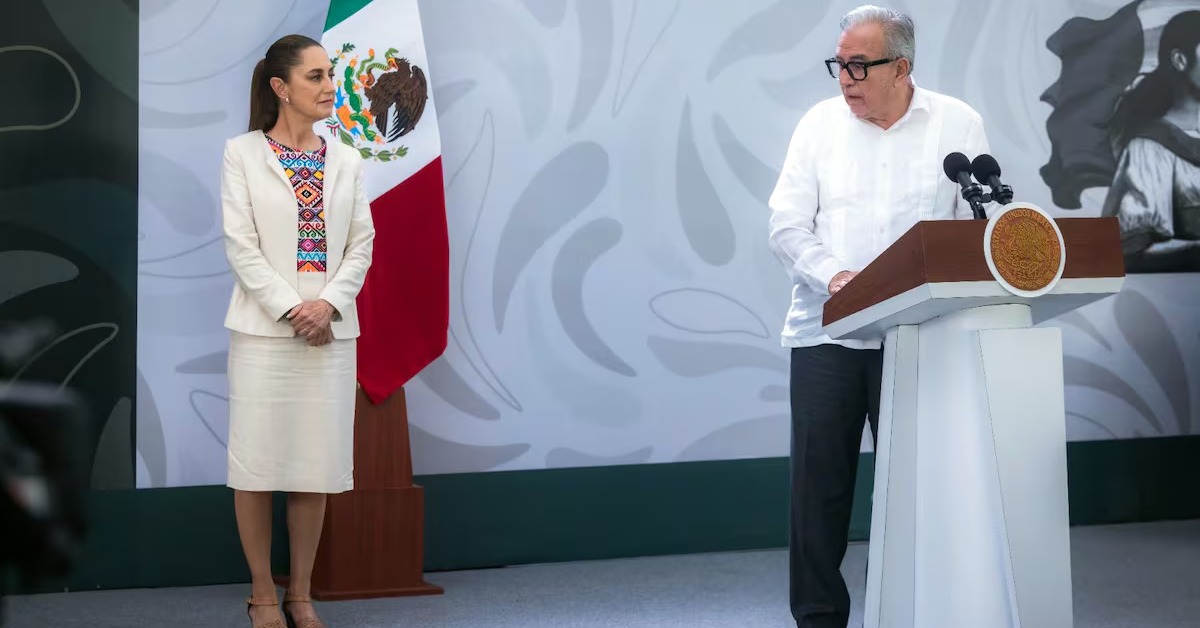
The project, planned for the southern coast of Quintana Roo, had been promoted as a major new cruise destination with beaches, pools, bars, and more than 30 waterslides. It was expected to open in 2027 and form part of Royal Caribbean’s broader strategy of building land-based private destinations for cruise passengers. But on May 19, Environment Minister Alicia Bárcena said the project would not be approved. Royal Caribbean told Reuters it regretted the decision but respected Mexico’s environmental authorities.
The decision followed months of criticism from residents, environmental groups, and activists who said the project raised serious questions about reefs, mangroves, sea turtles, public access, and the long-term future of Mahahual. Semarnat had previously said the project was still under environmental review and did not yet have federal environmental authorization for development, construction, or operation.
The larger question is not whether tourism is good or bad. Mahahual already depends heavily on cruise tourism. The harder question is who decides when tourism growth has reached the limits of a small coastal town.
Why Mahahual became the flashpoint
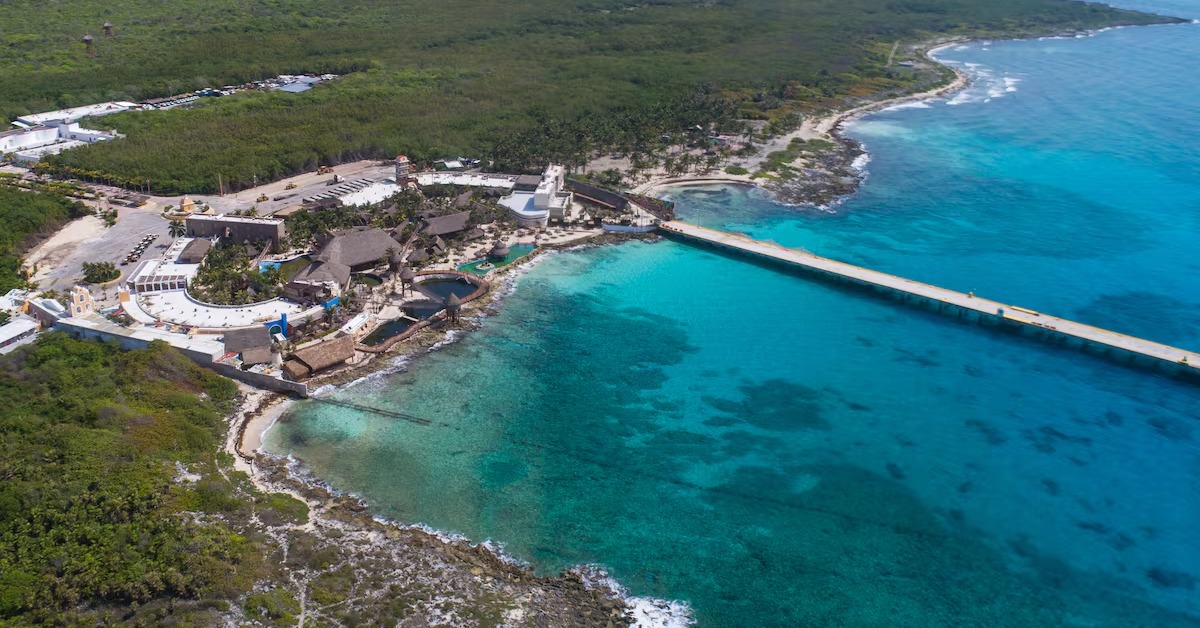
Mahahual sits near the Mesoamerican Reef, the largest barrier reef in the Western Hemisphere. The reef system includes coral reefs, seagrass beds, lagoons, beaches, dunes, wetlands, and mangrove forests, and it supports local fishing, tourism, and coastal protection.
That location made the Royal Caribbean proposal more complicated than a standard tourism investment. A large visitor attraction beside a cruise port is not judged only by its projected jobs or visitor numbers. It is also judged by its impact on water demand, wastewater, beach use, coastal vegetation, mangrove areas, reef health, traffic, housing pressure, and the identity of the surrounding town.
Mahahual is also small. Reuters described it as home to fewer than 3,000 people. Opponents argued that a project designed to accommodate large waves of cruise passengers could place heavy pressure on a community with limited infrastructure.
That is why the debate quickly moved beyond the project’s footprint. The issue became whether Mahahual should continue to develop as a small coastal town tied to reef tourism and local services, or become a much larger cruise-centered destination shaped by the needs of a global cruise company.
What environmental review is supposed to decide
In Mexico, major projects with possible environmental impacts are reviewed through the Manifestación de Impacto Ambiental, or MIA. The MIA is intended to identify potential environmental effects and describe measures to prevent or mitigate adverse impacts. It is a technical document, but it also becomes a political and community document when the project affects public resources such as beaches, mangroves, reefs, or coastal access.
That matters because a company’s investment plan is not the same thing as environmental authorization. A project may have land, investors, political support, or municipal-level approvals and still fail to pass federal environmental review.
In this case, Semarnat said before the rejection that it was reviewing the project’s MIA and had identified issues requiring specialized analysis, including infrastructure, mitigation measures, and possible impacts on coastal and marine ecosystems.
For coastal communities, the MIA process often becomes the main formal arena where competing claims meet: the developer’s promise of jobs and infrastructure, the government’s legal responsibility to protect ecosystems, the concerns of local residents, and the pressure from environmental groups watching whether enforcement matches the law.
The reef question
The strongest environmental concern was not only that Mahahual is scenic. It is that the town sits beside a reef system already under pressure.
The Mesoamerican Reef supports coral, fish, marine turtles, and local livelihoods, but conservation groups warn that coastal development, pollution, inappropriate tourism practices, and land-use changes can damage reef environments. Mangroves also matter because they protect coastlines, provide habitat, and help support nearby marine systems.
For critics, the risk was cumulative. A water park, beach clubs, and related cruise infrastructure do not affect the coast only through construction. They can also increase freshwater demand, wastewater risks, road traffic, waste generation, lighting, noise, coastal erosion, and pressure for more housing and services.
That cumulative impact is often the hardest thing to evaluate. A single project can promise mitigation measures, but coastal towns are affected by the combined pressure of cruise arrivals, real estate demand, port expansion, road improvements, new businesses, and population growth.
Royal Caribbean’s argument
Royal Caribbean did not present the project as an act of environmental destruction. The company argued that it had experience operating private destinations and that the Mahahual project could bring jobs, infrastructure, and regional economic benefits.
Ari Adler Brotman, Royal Caribbean’s representative in Mexico, told El País that the company had prepared a strong MIA and said some public criticism was based on misinformation. He said the project would be built on 45 hectares of land already urbanized and that another 45 hectares of damaged mangrove had been acquired for restoration.
That is the central conflict in many coastal development fights. Developers often argue that a project can formalize investment, restore degraded areas, improve infrastructure, and create employment. Opponents often argue that the promised benefits do not resolve the scale of the project, the pressure on public resources, or the risks to ecosystems that are difficult to repair once damaged.
Both arguments can exist simultaneously. Mahahual can need jobs and infrastructure, while also being too fragile for certain kinds of growth.
Why local access became part of the debate
Cruise projects often raise a second question: who gets to use the coast?
Mexico’s beaches are public, but access can become limited in practice when large private developments control surrounding land, parking, services, beach clubs or visitor flows. In Mahahual, opponents connected the Royal Caribbean project to fears over beach access, mangroves, and the town’s local way of life. Reuters reported that petition organizers argued the project threatened community access to beaches and the survival of marine life.
This is why the issue resonated beyond Mahahual. Across Mexico’s coast, residents often worry that tourism investment can convert public-facing places into controlled spaces designed primarily for visitors with higher spending power. The legal beach may remain public, but the practical experience of reaching and using it can change.
The carrying-capacity question
The Mahahual case is really about carrying capacity.
Carrying capacity is not only an environmental term. It also applies to roads, water systems, hospitals, housing, policing, waste collection, beaches, and local tolerance for crowding. A town can welcome tourism and still ask whether it has the infrastructure to handle thousands of additional visitors a day.
That is especially true for cruise tourism, where many people can arrive at once and leave within hours. The economic benefit can be concentrated among certain operators, while the costs of crowding, waste, water use, and public-service pressure can fall on the town.
The question for Mahahual was not whether cruise passengers should visit. They already do. The question was whether a purpose-built private attraction would lock the town into a larger model of cruise dependence.
What the rejection means
The rejection does not mean tourism development is over in Mahahual or Quintana Roo. It means this version of the project did not clear the political and environmental threshold set by federal authorities.
It also sends a message to other investors: local support, environmental documentation, and federal permits cannot be treated as formalities in reef-adjacent coastal zones. Projects that touch mangroves, beaches, reefs, turtle habitat, or public access will face closer scrutiny, especially when organized opposition can turn a local permit dispute into a national debate.
Mahahual still faces the harder task of defining what kind of tourism it wants, what scale it can support, and how benefits should be shared. Rejecting one project is simpler than building a durable development model that protects reefs, provides jobs, and keeps the town livable.