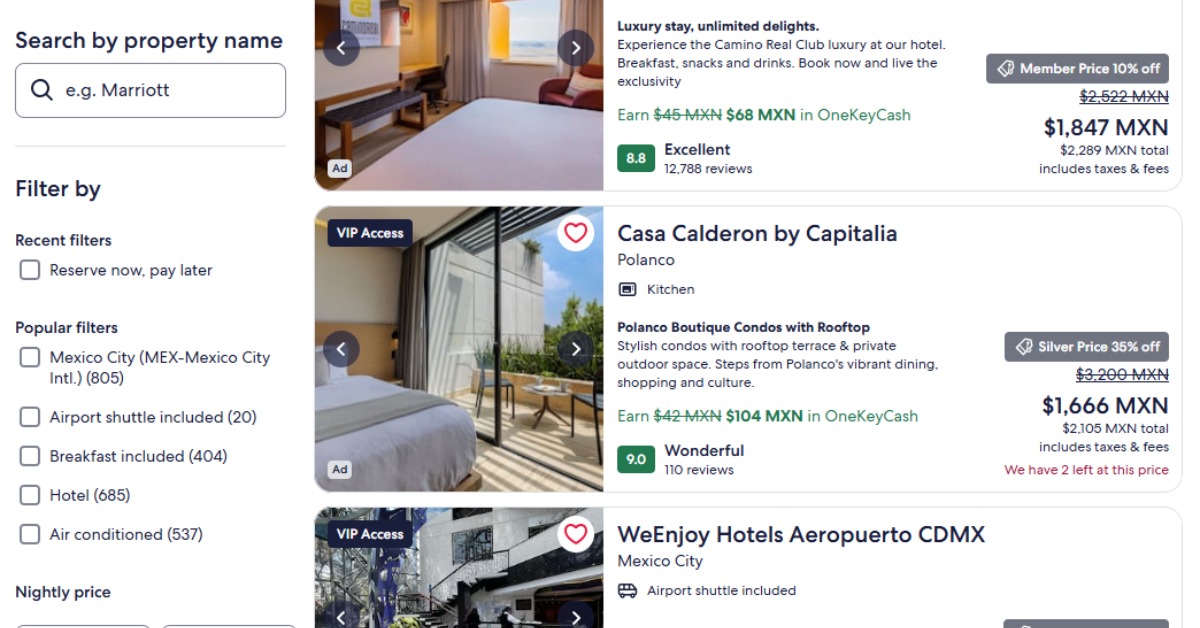
Mexico expected the 2026 World Cup to bring a major surge in hotel demand. But early reservation data is showing a slower build in Mexico City, Guadalajara, and Monterrey, even as officials continue preparing for millions of visitors. The numbers do not mean the event will fall flat. They do suggest travelers may be waiting longer, choosing different cities, or reacting to prices, matchups, and security concerns in ways the hotel industry did not fully expect.
World Cup hotel bookings are dragging
Hotel bookings for Mexico’s 2026 World Cup host cities are moving more slowly than many in the tourism industry expected, raising fresh questions about how large the tournament’s hotel impact will be in Mexico City, Guadalajara, and Monterrey.
Current hotel-market data puts reservations for the opening match in Mexico City at about 36 percent. That match, scheduled for June 11, will see Mexico face South Africa at Mexico City Stadium, better known to many fans as Estadio Azteca.
The slow pace does not mean visitors will stay away. It does suggest demand may arrive later than hotels, tourism officials, and local businesses had hoped. It also shows that World Cup tourism is more complex than a simple surge in visitors.
Mexico will host 13 matches in the tournament. Mexico City, Guadalajara, and Monterrey will share 10 group-stage games and three knockout-stage games. The country is one of three hosts, along with the United States and Canada, for the expanded 48-team tournament.
Reservations are below normal summer patterns
The concern is not only that World Cup bookings are behind expectations. The bigger issue is that demand in Mexico’s three host cities is reportedly below typical summer occupancy patterns.
That matters because June and July are already active travel months in many parts of Mexico. Hotels expected World Cup demand to stack on top of normal business travel, leisure trips, and domestic tourism. So far, that bump appears uneven.
Mexico City has seen only modest growth in World Cup reservations from March to April. Guadalajara is performing better, with hotel occupancy on the books reported at about 50 percent for Mexico’s match against South Korea. Monterrey is also waiting for a stronger pickup.
For travelers, this may mean more room availability than expected. For hotels, it creates a pricing dilemma. Properties that raised rates too sharply may need to adjust if bookings do not accelerate soon.
Slow bookings do not mean weak interest
World Cup demand often works differently from normal tourism. Many fans do not book until they know where their team will play, whether they can get tickets, and how expensive flights and rooms will be.
The 2026 World Cup adds another layer. This is the first World Cup hosted across three countries. Matches are spread across a wide map, with long distances between cities. A fan following one national team may need to move between Mexico, the United States, and Canada.
That makes travel planning more expensive and less predictable. Some fans may choose one match instead of several. Others may stay in cheaper cities and fly or drive for game days. Some may wait for last-minute deals, especially if hotel rates remain high.
Mexico’s tourism strategy has also looked beyond the three host cities. Destinations such as Cancún, Mérida, and Puerto Vallarta have tried to position themselves as add-on stops for fans. But early booking data suggests non-host destinations are not yet seeing a strong World Cup lift.
Expectations may have been too high
Mexico has promoted the World Cup as a major tourism opportunity. Federal officials have projected millions of visitors and large economic benefits tied to the tournament.
Those projections may still prove directionally correct, but hotel data suggests the impact could be more concentrated than expected. The biggest demand will likely fall on match days, especially when Mexico plays. It may not translate into a month-long nationwide hotel boom.
This distinction matters for local businesses. Restaurants, tour operators, transport companies, and short-term rental hosts may still benefit. But the gains may depend heavily on location, match schedule, and pricing.
Mexico City remains the country’s strongest World Cup draw because it hosts the opening match. Guadalajara benefits from hosting Mexico’s second group-stage game. Monterrey’s demand may depend more on visiting fans and domestic travelers tied to specific fixtures.
Prices may be part of the slowdown
High hotel rates may also be shaping traveler behavior. In several World Cup host cities, early hotel prices rose sharply after the schedule became clear. That pattern was not limited to Mexico.
When prices jump too far, some travelers wait. Others choose short-term rentals, stay with friends or family, or book outside the central areas. Some fans may also decide to watch public screenings instead of traveling to a host city.
For hotels, this creates a difficult balance. The World Cup is a rare chance to increase revenue, but rates that move too high too early can slow reservations. If demand arrives late, hotels may still fill rooms, but perhaps not at the prices first expected.
The current data points to a market still searching for its level. Demand exists, but travelers appear more price-sensitive and more cautious than many forecasts assumed.
Security concerns add pressure
Mexico is also preparing for the tournament under close international attention. Security has become part of the travel conversation, especially after recent violence at major tourist sites and broader concerns about visitor safety.
Officials have emphasized coordination among airports, border crossings, highways, customs, police, and tourism agencies. Mexico City has also pushed back against claims of major hotel weakness, saying the capital has enough lodging capacity and that reservation patterns can change as the tournament gets closer.
For international visitors, perception matters. Many travelers will judge Mexico not only by match schedules and hotel prices, but also by how safe and easy the trip appears. Clear information, reliable transportation, and visible security will be central to the final booking push.
A late surge is still possible
The hotel industry is not writing off the World Cup. A late booking wave remains possible, especially as fans finalize tickets, flights, and routes. Domestic travel could also help fill rooms, since Mexico’s national team will play its group-stage matches inside the country.
For expats and foreign residents in Mexico, the slower booking pace may have practical effects. Host cities may be busy around match days, but they may not be overwhelmed for the entire tournament. Travel costs could still be high, especially near stadiums and fan zones, but availability may be better than expected in some markets.
The next several weeks will be important. If reservations accelerate, the current slowdown may appear to be a timing issue. If they do not, Mexico’s World Cup tourism story may shift from overcrowding and inflated prices to a more uneven, city-by-city impact.
For now, the signal is clear: the World Cup is still expected to bring visitors, attention, and spending to Mexico. But the hotel boom is arriving more slowly than expected, and the final outcome may depend on late decisions by fans.