Power plants boost grid stability and prevent blackouts by adding 2,465 MW to Mexico’s electrical system, says Secretary of Energy Luz Elena González.
Secretary of Energy Luz Elena González said five new power plants will begin operations this year to strengthen Mexico’s electrical system and prevent blackouts. They will inject 2,465 MW into the grid, boosting capacity and emergency response.
The Energy Ministry has allocated $2.589 billion to support these projects through a private trust, loans from export agencies and 30‑year bonds. Each plant will have a projected useful life of 30 years and can switch to diesel for emergency backups.
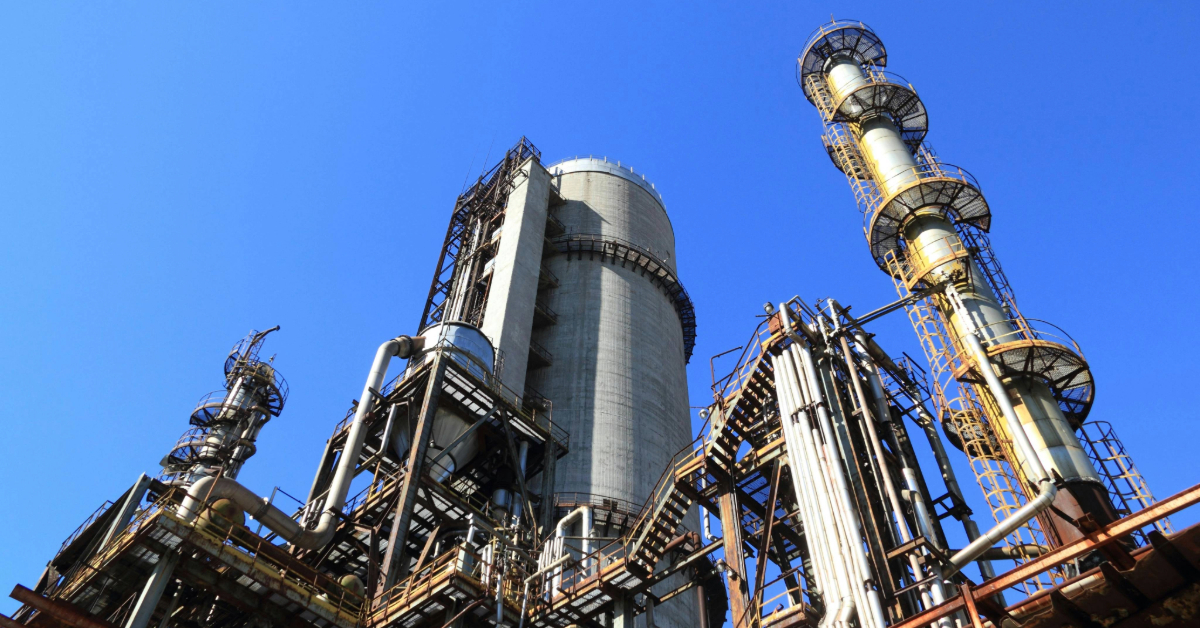
Power plants boost grid stability
In the first half of 2025, the Combined Cycle Power Plants in Salamanca and San Luis Potosí began operations, adding 927.1 MW and 437 MW, respectively. In the coming months, the El Sauz II plant in Querétaro will supply 256.2 MW, Manzanillo III in Colima will contribute 346.1 MW, and a new plant in Mérida, Yucatán, will add 499 MW later this year.
Together, these five plants will deliver 2,465 MW to meet growing electricity demand. Emilia Calleja, director general of the Federal Electricity Commission (FEC), noted that the National Energy Control Center (CENACE) requires a minimum Operating Reserve Margin of 6 percent. Thanks to the fresh capacity and recent upgrades, Mexico has maintained an average 12 percent margin so far in 2025.
CENACE monitors supply and demand in real time. Calleja said the FEC has carried out maintenance on 270 generating units, strengthened transmission and distribution lines in the most vulnerable areas and optimized a fuel‑supply strategy for power plants. These steps, alongside the new builds, aim to keep the system stable during peak demand and unexpected outages.
The energy expansion plan calls for five more plants in 2026 and 2027. Once those come online, Mexico will add a total of 6,717 MW to the national grid. This growth aligns with efforts to diversify the country’s energy mix and reduce reliance on any single power source. Diesel backup will ensure service continuity during fuel or supply disruptions.
Financing the $2.589 billion investment through a blended model of private trust capital, export‑agency loans and long‑term bonds helps spread costs over the plants’ 30‑year lifespan. González said this structure will attract private participation while protecting state interests.
Analysts say the extra capacity will improve reliability and support economic growth. A stronger grid can lower operating costs for industry and cut the risk of blackouts that disrupt daily life. Communities near each plant may also benefit from construction jobs and ongoing operations.
Environmental groups point out that combined‑cycle plants burn natural gas more cleanly than older diesel or coal units. However, they urge the Energy Ministry to accelerate renewable projects. González acknowledged that green energy is crucial but stressed the need to keep existing power sources reliable.
Each plant will be inaugurated in stages through December. Local authorities in Querétaro, Colima and Mérida are preparing opening ceremonies and community briefings to showcase how the new infrastructure will serve residents.
By year end, Mexico’s electrical system will feature five new power plants ready to respond to demand spikes and emergencies. Power plants boost grid stability and offer a reliable backup with diesel operation. Officials say these steps will keep the lights on across the country and pave the way for future growth.
Electricity, Federal Electricity Commission, CENACE, energy system, grid stability, power plants, blackouts prevention, Mexico