Playa del Carmen’s growth has a darker edge. New maps and field checks show illegal housing lots pushing into wetlands and fragile karst where water sinks straight to the aquifer. Residents say the rush is fueled by lax enforcement and fast profits, while water advocates point to real health risks as wastewater seeps toward cenotes. Officials promise crackdowns, but closures are sporadic and often arrive after the damage. The stakes are high and straightforward: protect the groundwater, or watch the Riviera Maya’s natural engine stall.
Illegal housing lots
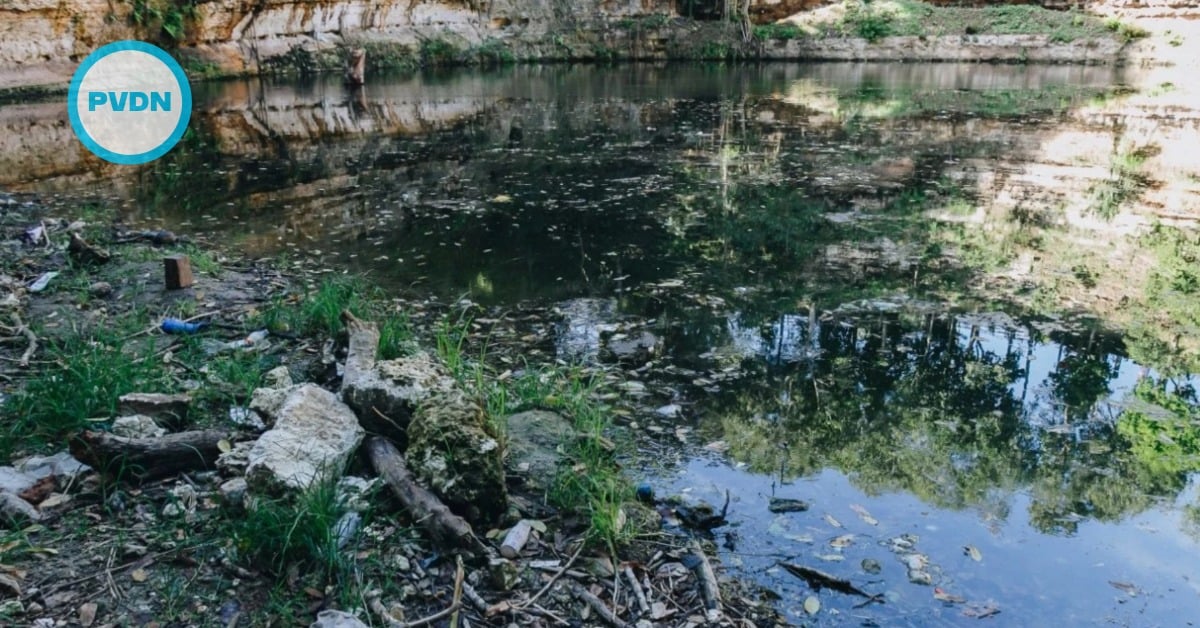
The latest local reporting flags more than 160 home plots in Playa del Carmen that are not connected to sewage and discharge straight into the ground, sending wastewater toward caves and cenotes that feed the region’s taps. Environmental monitors say enterococci readings in parts of the city are sky-high, a warning sign of fecal contamination in a porous landscape.
That vulnerability is structural. On the Yucatán Peninsula, rain and spills move fast through fractured limestone, bypassing natural filters. Recent research on the peninsula’s aquifer underscores how easily contaminants and salts spread in this coastal karst system. Protecting groundwater is protecting public health.
Residents describe a pattern: irregular subdivisions popping up on ejido edges and lowlands, followed by clearing and fill. The city council publicly backed tougher action against invasions last month after a string of illegal forest cuts, saying public order and environmental safety are at stake. People want roofs; the land needs rules.
At the neighborhood level, water advocates say the fix starts with basics: connect homes to sewer systems, install working treatment plants, and stop green-lighting projects that lack drainage. Coverage by regional outlets documents the Centinelas del Agua findings and the hot spots in Colosio and Ejido where unconnected lots are clustered. A new local report details how those gaps push pollution toward cenotes.
What the law says and how it’s enforced
Mexico’s wildlife law forbids cutting or filling mangroves, and the NOM-059 list puts mangrove species under special protection. Those safeguards matter in Playa’s wetlands, where backhoe “improvements” can erase decades of natural flood control in a week. The rules exist; the question is whether they bite.
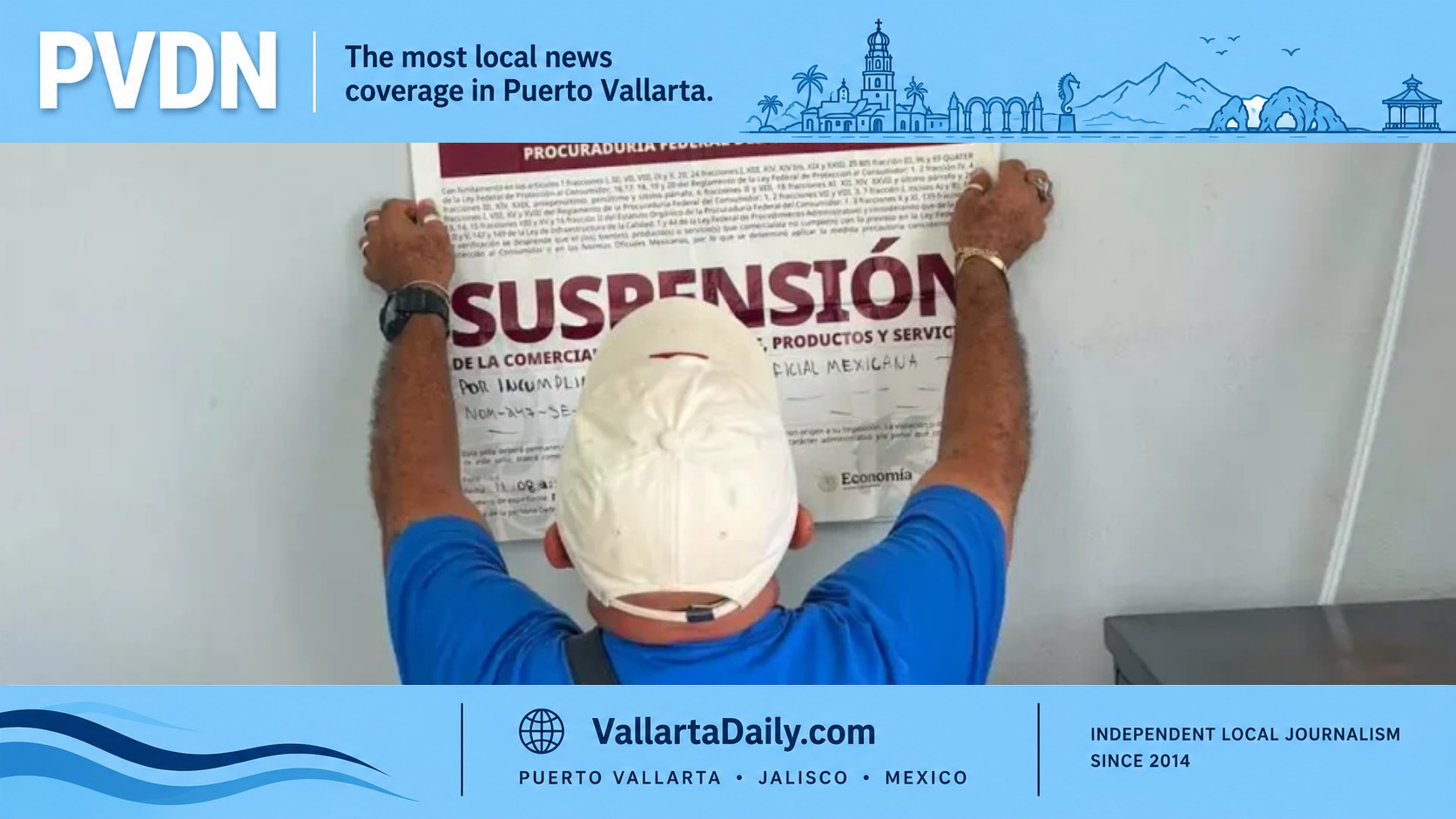
Enforcement has been uneven. Federal inspectors shut sites when neighbors complain—Puerto Morelos saw a mangrove-fill closure this summer, and other Quintana Roo works were temporarily sealed for lacking environmental permits. But these are snapshots, not a system, and closures often follow clearing rather than prevent it. Once a wetland is filled, it’s gone.
Bold facts more than slogans. The tourism economy depends on clean water. Scientists warn nutrient loading fuels coastal stress, from reefs to recurring sargassum. If unpermitted subdivisions keep spreading into low-lying areas without sewer service, Playa del Carmen risks turning its signature cenotes into liabilities rather than lifelines. This is still a choice—build right, or keep paying for shortcuts.