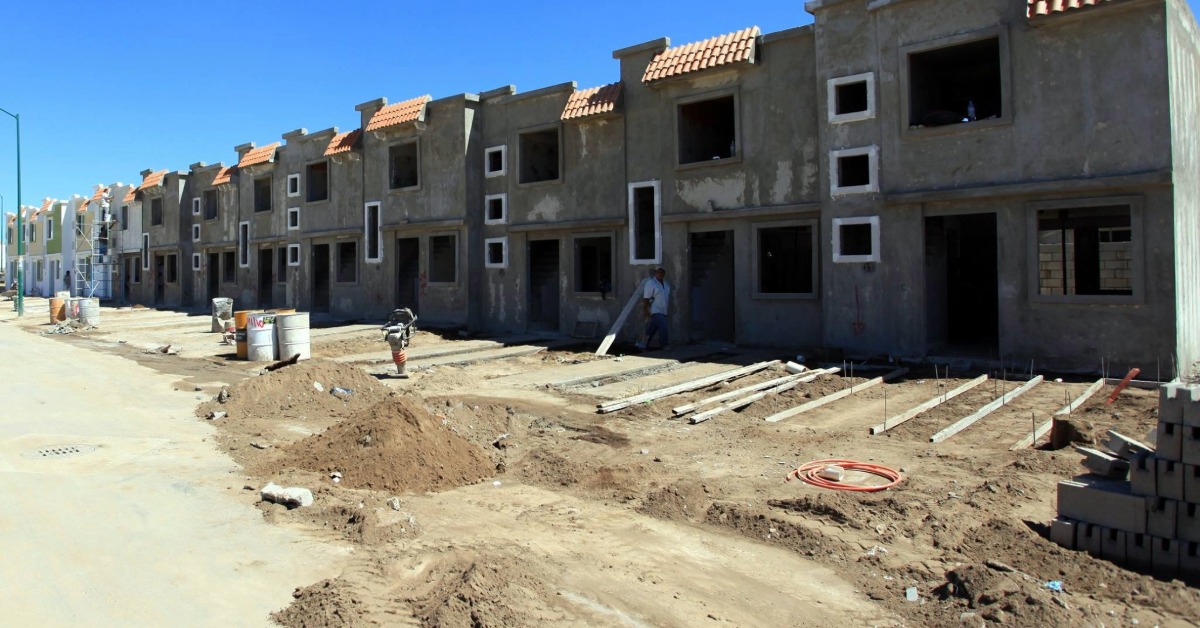
Mexico’s housing problem is increasingly being described as a bottleneck in local government. The issue is not simply weak demand or a total lack of financing. Developers say the first major obstacle is the municipal approval chain, where land use, density, road integration, and basic service feasibility can sit for months or even years before a project moves.
That matters because nearly every formal housing project begins with the city hall. A builder may have land, financing, and a market, but still be unable to start. In some parts of the country, approvals for a subdivision can take more than two years. That delay raises carrying costs, complicates project schedules, and can make a viable development stop making financial sense before ground is ever broken.
For readers outside Mexico, this is an important part of the story. In many Mexican cities, the shortage of new housing is not explained by one single national policy. It is often the result of fragmented local decision-making. Each municipality controls key parts of the process, which means housing supply can vary sharply from one city to the next, even when demand looks strong in both places.
The problem is not only permits but the entire approval chain
The pressure point goes beyond a single permit. Builders describe a chain of approvals that can break down at several stages. A project may need a land-use ruling, density authorization, traffic or mobility integration, and confirmation that water and electricity can support the development. If one office is slow, contradictory, or overloaded, the whole project can stall.
This helps explain why housing supply stays tight even when the broader market shows signs of activity. Official housing finance data show that mortgage and housing credit continued moving in 2025. New housing production also rose from the year before. But more financing does not automatically produce more homes when local approvals remain slow, uncertain, or inconsistent.
Developers also argue that some municipal offices operate with limited technical capacity. Others face staff turnover or short political cycles that make long projects harder to manage. A housing development can outlast a local administration, and when priorities shift, files can lose momentum. In practice, that creates uncertainty for companies and leaves buyers and renters with fewer formal options.
Mexico is trying to expand housing while still carrying a large backlog
This debate comes at a time when Mexico is trying to scale up housing construction. The federal housing push is large, and the national goal is ambitious. The government’s broader housing strategy now sits alongside official estimates showing that the country still has millions of homes in housing backlog, known in Mexico as rezago habitacional.
That is why the municipal issue matters far beyond the real estate sector. If local approvals remain slow, the country risks missing a key opportunity to expand supply while demand remains present. Developers say there is still room for large investment if projects can move faster. Industry estimates tied to current demand suggest the potential for hundreds of thousands of additional homes and major private investment if those blockages are reduced.
The tension is clear. On one side, Mexico is trying to build more homes and widen access. On the other hand, the approval structure remains uneven, local, and often hard to predict. That gap between national ambition and municipal execution is becoming one of the most important housing stories in the country.
Water and power are also part of the story
Municipal delays are not the only issue. Water and electricity are becoming harder to ignore. Even when a project clears local political and regulatory hurdles, developers still need reliable utility service. In fast-growing urban areas, that is not always guaranteed.
This matters because infrastructure constraints can, from the outside, appear to be a simple housing shortage. In reality, some projects are being slowed by the question of whether a neighborhood can actually support more homes. Water availability, power capacity, and the timing of public works all shape whether new housing can be delivered at scale.
Still, builders say infrastructure problems are at least easier to identify. They can be measured, planned, and financed. The deeper frustration is with discretionary local processes, where outcomes depend less on technical standards and more on politics, administrative backlog, or outdated local rules. That is why many in the sector argue that Mexico’s housing problem now begins with municipal governance.
Why this matters to foreigners living in Mexico
For foreign residents, the story has practical consequences even if they are not planning to buy a new home. Slow formal construction can push prices higher, limit rental options, and intensify pressure in cities already dealing with rapid growth. It can also encourage more informal or poorly planned development when legal projects take too long to launch.
In places that attract both Mexicans and international residents, tight supply becomes especially visible. Demand stays strong, yet the pipeline of new legal housing remains thin. That mismatch can feed higher prices, neighborhood tension, and political fights over density, services, and land use.
The larger point is simple. Mexico’s housing strain is not only about affordability. It is also about state capacity at the local level. If municipalities cannot process housing projects efficiently and transparently, the supply will continue to lag behind demand. That leaves the country with a familiar outcome: visible demand, available capital, and too few homes delivered on time.