In a significant boost for Mexico’s tourism sector, deals made at a high-profile expo in Spain have secured an estimated $1.5 billion in potential investment. The commitments, announced by Mexico’s leading commerce confederation, promise new projects in tourism, services, and mobility over the next few years. However, the real impact will depend on more than just handshake agreements. It’s a promising haul—but can authorities cut red tape and foster the stable conditions needed to turn these pledges into reality?
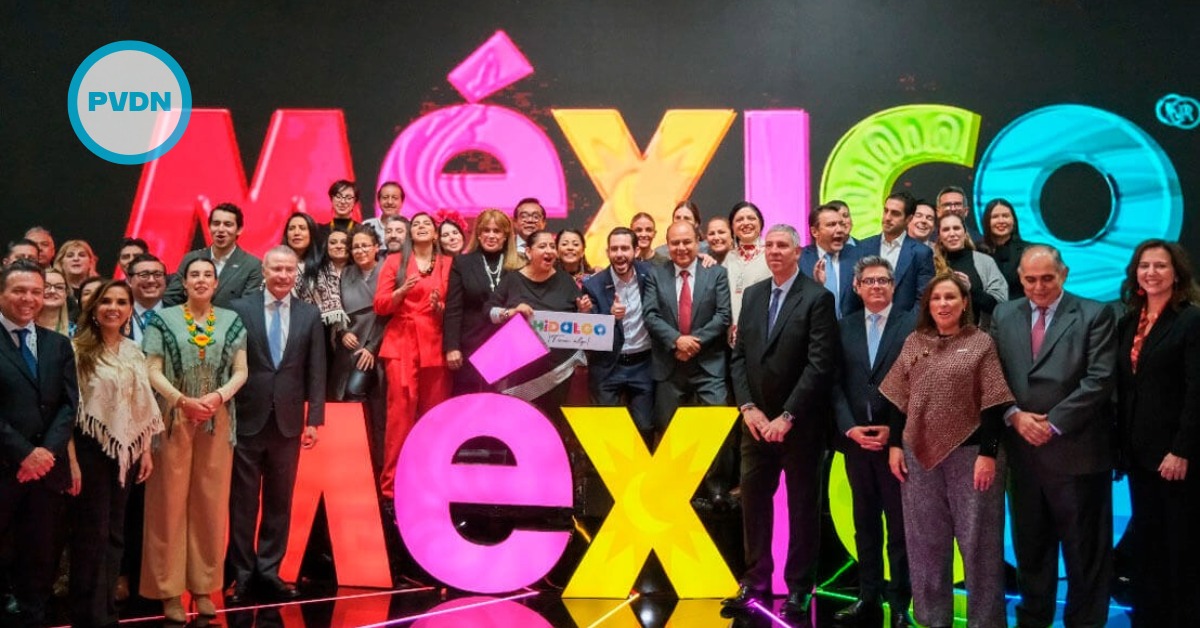
Mexico’s main business and tourism chamber is celebrating a windfall of international investment commitments following Fitur 2026, a global tourism expo held in Madrid. The Confederación de Cámaras Nacionales de Comercio, Servicios y Turismo (Concanaco Servytur) announced that its delegation secured around 25 billion pesos (approximately US $1.5 billion) in projected investments as a result of meetings and agreements at the event. This influx of capital is slated to fund a range of projects in tourism, services, mobility, and commerce across Mexico. Fitur 2026, where Mexico was honored as the partner country, provided a stage for Mexican business leaders to court foreign investors and showcase opportunities. After a six-day agenda of networking with entrepreneurs, industry groups, and government representatives, the Mexican delegation emerged with a substantial portfolio of investment pledges to boost the country’s tourism sector and broader economy.
Investments Mapped Out Through 2026–2030
Concanaco Servytur clarified that the $1.5 billion in deals represents commitments to be rolled out between 2026 and 2030. In other words, the money isn’t arriving all at once, but is tied to projects that will gradually take shape over the next five years. These projects could range from new tourism developments and hospitality services to transportation and commerce initiatives that support the tourism industry. The confederation’s goal is to ensure that these international partnerships translate into tangible benefits at home, such as job creation and regional economic growth. To achieve this, each deal made in Madrid will require follow-through in Mexico. Businesses must work through the necessary permits, licenses, and regulatory approvals at the municipal, state, and federal levels before shovels can hit the ground. The 25 billion peso figure is essentially a pipeline of planned investment, contingent on successful execution and coordination with authorities in Mexico.
Securing commitments is just the first step. Concanaco Servytur’s president, Octavio de la Torre, emphasized that turning these pledges into reality will demand a concerted effort and supportive environment back home. The projects will move forward only if all stakeholders keep things on track. This means government agencies expediting permits and cutting unnecessary red tape, and political leaders maintaining policies that encourage investment. The confederation deliberately timed the announcement of the $1.5 billion figure after Fitur 2026 concluded and preliminary deals were inked, underscoring that these are real opportunities on the table – but not cash in hand yet. The success of the plan will be measured by how many of these potential investments fully materialize in Mexican destinations over the coming years.
Confidence and Stability Key to Unlocking Funds
While celebrating the haul of prospective investments, Concanaco Servytur has been equally vocal about the conditions needed for those funds to flow. Before detailing the Fitur results, Octavio de la Torre delivered a clear message: investors need confidence, clear rules, and a stable climate to commit their money. “Mexico needs clear rules, strong institutions, and a judiciary focused on guaranteeing legality,” de la Torre said, underscoring that a reliable rule of law is essential for business decisions. He urged authorities at all levels to provide an environment of trust and predictability, free from sudden policy shifts or political turbulence that could spook investors. According to Concanaco, maintaining legal certainty and an open dialogue with the private sector will be critical so that companies feel safe moving forward with the projects agreed upon in Madrid. Any signs of confrontation, politicization, or bureaucratic bottlenecks could delay or derail these investments. Essentially, the confederation is calling on government leaders to do their part in smoothing the path – by expediting approvals, enforcing laws fairly, and generally ensuring that nothing undermines the commitments made. This stance reflects a broader truth: the promised economic benefits will only be realized if Mexico can uphold a business-friendly atmosphere in the years ahead.
The emphasis on stability also stems from what’s at stake for everyday Mexicans. Many of the companies involved in these deals are expected to partner with or invest in local Mexican businesses, including small and family-run enterprises that form the backbone of the country’s tourism offerings. Concanaco Servytur represents over five million businesses nationwide, many of them micro, small, and medium-sized. The organization argues that a dependable regulatory framework will protect existing jobs and help create new ones as foreign investment kicks in. In the aftermath of Fitur, de la Torre’s message doubled as both a celebration and a caution: Mexico has a golden opportunity to channel global capital into growth, but it must uphold the rule of law and stability to fully capitalize on it.
Turning Deals into Development
Beyond the headlines of dollar figures, Concanaco Servytur is already moving to ensure these international deals lead to visible progress on the ground. The confederation announced a plan to monitor and facilitate the investment projects through its Global Investment Consulting Center (GICC), a liaison office that will track each agreement from inception to implementation. This dedicated follow-up mechanism is meant to keep momentum going after the Madrid expo — ensuring that business cards exchanged and memoranda signed at Fitur translate into hotels built, tours launched, or infrastructure improved in Mexico. The GICC will provide technical support and serve as a bridge between the foreign investors and the relevant Mexican partners or authorities, troubleshooting any hurdles that arise during execution.
Concanaco Servytur’s proactive approach doesn’t stop at this one event. Buoyed by the success at Fitur 2026, the organization is planning further international outreach. It has flagged upcoming investment missions and collaborative agendas with countries such as Honduras, Uruguay, the United Arab Emirates, and Spain (building on the momentum from the Madrid fair). The strategy is to continuously expand Mexico’s network of business alliances and keep attracting capital into the country’s commerce and tourism sectors. At the Fitur expo itself, the Mexican delegation highlighted not only business opportunities but also cultural and social initiatives — from a short film showcasing Mexican heritage to participation in the “Travel Safe 2026” campaign to protect children from trafficking ahead of the World Cup. These efforts signal that Mexico is presenting itself as a well-rounded partner: economically enticing, culturally rich, and socially responsible.
As these projects move from planning to reality, observers will be watching how Mexico manages this influx of promised investment. For now, the Fitur 2026 outcome stands as a major vote of confidence in Mexico’s tourism and service industries. A commitment of $1.5 billion could transform tourism infrastructure and services in the coming years, boosting everything from local hospitality businesses to large-scale transit systems that make destinations more accessible. It’s a clear sign that global investors see potential in Mexico — and a reminder that fulfilling that potential will require steady hands in policy and governance. Concanaco Servytur’s mantra after the Madrid mission is essentially “follow-through”: turning international goodwill and signed agreements into brick-and-mortar projects, sustainable jobs, and growth that can be felt in communities across the country. The next few years will reveal how well those intentions are converted into action, but the groundwork laid at Fitur 2026 has undoubtedly set an ambitious course for Mexico’s tourism future.
With information from Diario Marca, El Imparcial