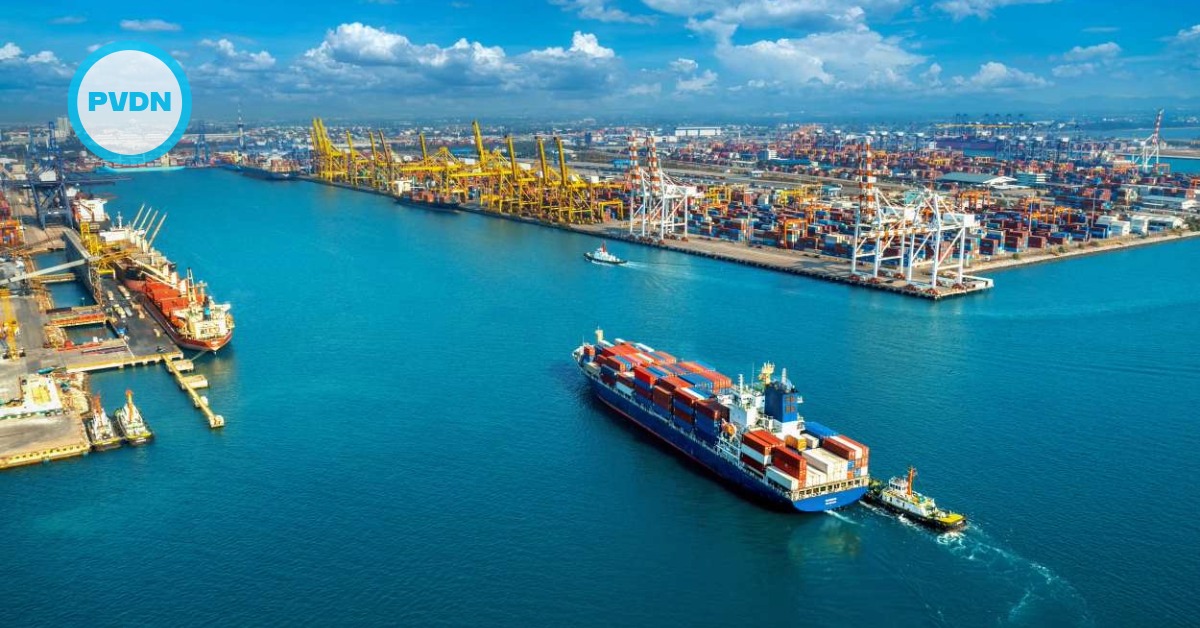
Mexico’s shipping sector sees a golden opportunity in the global shift toward cleaner energy. With a new interoceanic corridor nearing completion and major port upgrades underway, industry leaders are plotting a course to make Mexico the Western Hemisphere’s go-to source for green marine fuels. It’s an ambitious plan that blends environmental innovation with competitive logistics — and it could transform how ships refuel along nearshoring-era trade routes.
New Opportunities in a Changing Maritime Landscape
The winds of change are blowing through Mexico’s maritime industry. Facing a world where supply chains are shifting and ships must cut emissions, Mexican shippers are seizing a chance to lead on cleaner fuels. The Mexican Chamber of Maritime Transport (Cameintram) believes 2026 is a strategic window for Mexico to establish itself as Latin America’s prime supplier of zero-emission marine fuels. Global shipping is undergoing a transformation as companies relocate production closer to consumers (the “nearshoring” trend) and international regulators push for decarbonization. This convergence of logistics and climate pressures has created a rare opening. Industry leaders see “great opportunities” emerging alongside the challenges of adapting to new trade patterns and strict emissions targets. By moving early to provide green fuel for ships, Mexico could capture new business and stay ahead of the curve in sustainable shipping.
Ports and Corridor Boost Mexico’s Reach
Mexico is bolstering its maritime infrastructure to turn this vision into reality. A centerpiece is the nearly completed Interoceanic Corridor across the Isthmus of Tehuantepec in southern Mexico, slated for completion by mid-2026.
This ambitious project will connect the Pacific and Atlantic oceans via a modern rail link and upgraded ports, effectively creating a new route for global commerce. The corridor is expected to serve as a strategic alternative to the Panama Canal for certain trade between Asia, the Americas, and Europe.
Alongside this, a wave of port modernizations is underway on both coasts. Key ports such as Altamira in Tamaulipas, Progreso in Yucatán, Lázaro Cárdenas in Michoacán, and Salina Cruz in Oaxaca are being expanded or upgraded. On the Gulf of Mexico, the port of Veracruz is extending its northern section, while on the Pacific side a brand-new port at Manzanillo, Colima is in development.
Together, these projects will significantly increase Mexico’s maritime capacity, shortening transit times and lowering costs for shippers. By expanding routes and throughput, Mexico is positioning its ports as natural pit stops for vessels carrying nearshored goods and seeking cleaner fuel options.
Pushing for a Green Fuel Hub
At the heart of this strategy is a drive to supply the next generation of green marine fuels. Mexican maritime leaders envision the country as a fueling station for ships powered by near-zero-emission energy. This means embracing biofuels and “electrofuels” — alternative fuels created with renewable electricity — including green hydrogen and its derivatives like green ammonia or methanol.
As the International Maritime Organization (IMO) tightens global emissions rules, ships will increasingly need such cleaner fuels to avoid penalties and reach climate targets. Mexico’s advantage lies in its abundant renewable energy potential (solar, wind, and hydro) that could be harnessed to produce these fuels. In fact, investment is already flowing: a Danish fund is backing a $10 billion green hydrogen project in the Isthmus of Tehuantepec, aimed at producing fuel for ships by the late 2020s.
By developing a domestic supply of green hydrogen-based fuels and sustainable biofuels, Mexico can offer vessels refueling in its ports a way to cut their carbon footprint. This not only aligns with climate goals but could also lock in future business as more shipping companies seek eco-friendly bunkering options. The vision is to make Mexican ports a one-stop hub where ships can readily take on cleaner fuel as they now load conventional bunker oil.
Policy Support Key to Success
While infrastructure and bold ideas set the stage, industry experts stress that supportive policies will be crucial to realizing the ambition for this green fuel hub. Cameintram is calling for government action to improve domestic maritime operations and ensure the new infrastructure delivers its full benefits. Security and efficiency in coastal shipping (cabotage) must be enhanced so that vessels can move safely between Mexican ports.
Streamlined customs procedures and modernized fleets will be needed to handle increased traffic smoothly. The industry also urges rapid adoption of digital technologies — from automated port terminals to Internet of Things sensors that track cargo in real time — to optimize logistics and reduce delays. On the international front, Mexico faces a fluid trade environment. Shippers are warily eyeing the upcoming mid-2026 review of the United States-Mexico-Canada Agreement (USMCA), as well as the finalization of a modernized trade accord with the European Union.
Navigating these external uncertainties is key to keeping Mexico competitive as a shipping crossroads. If Mexico can clear these policy hurdles and cement stable trade ties, it will strengthen the country’s hand in attracting investment and shipping traffic.
With the right mix of infrastructure, innovation, and regulatory support, Mexico could anchor itself as a leader in sustainable maritime fuel – marrying its logistics prowess with climate-conscious energy to chart a new course for the region’s shipping industry.
With information from Aristegui Noticias, Enfoque Noticias, Reuters