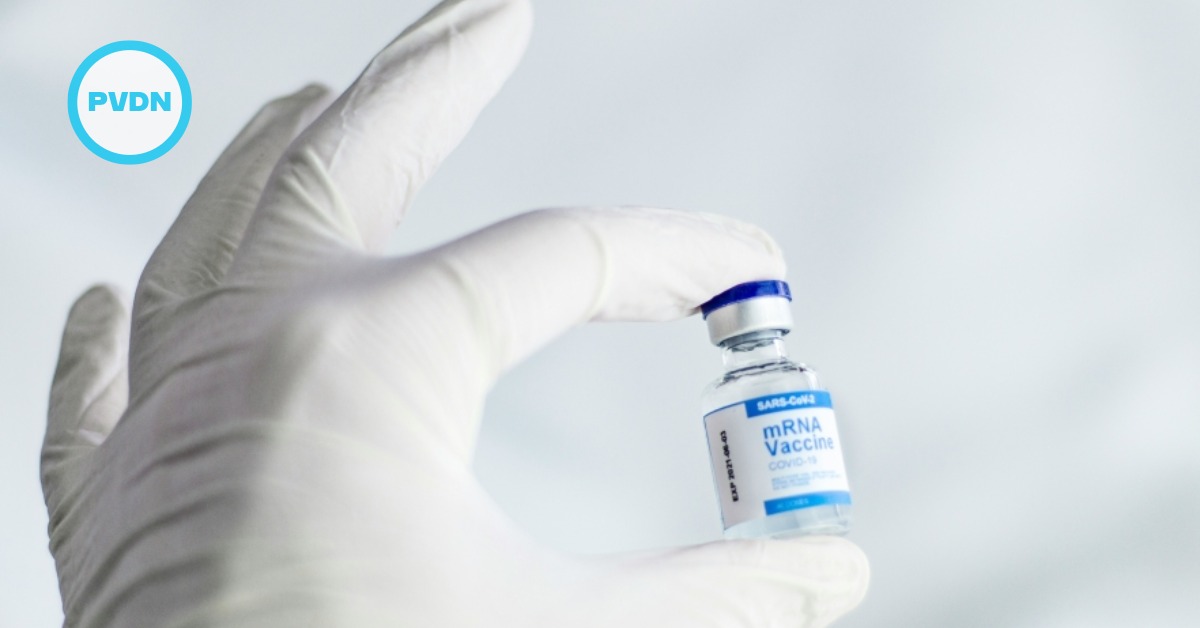
Mexico is taking a major step toward vaccine self-sufficiency. President Claudia Sheinbaum’s government has signed a landmark agreement with U.S. biotech Moderna and two domestic pharmaceutical partners. The deal will allow cutting-edge mRNA vaccines – including COVID-19 shots – to be made in Mexico for the first time. It also promises collaborative research on new vaccines for diseases like dengue and even cancer. This bold move could transform Mexico’s health sector, but how will it work in practice, and what does it mean for the country’s scientific ambitions?
President Claudia Sheinbaum has announced a partnership with U.S. vaccine maker Moderna to produce messenger RNA (mRNA) vaccines in Mexico. The agreement also involves two local laboratories: state-owned Birmex and the private firm Liomont. This landmark deal will enable Mexico to manufacture advanced vaccines on its own soil for the first time. It’s a move hailed as a boost to national health security and scientific independence.
Five-Year Deal for Local Vaccine Production
For the next five years, this public-private collaboration will focus on manufacturing Moderna’s respiratory vaccines—including its COVID-19 shots—within Mexico. Officials say the government plans to acquire around 10 million doses per year from 2025 through 2030. Producing those doses domestically will help ensure a stable supply and timely access for the population.
Moderna has agreed to transfer its mRNA vaccine technology to Liomont. This will give the Mexican firm the capacity to produce Moderna’s COVID-19 vaccine at its local facilities. The initiative aligns with the government’s “Plan Mexico” strategy to increase domestic production capacity and improve pandemic preparedness.
Joint Research on New Vaccines
Sheinbaum underscored that the agreement goes beyond making COVID-19 shots. A key element is a joint research program that will bring together Mexican scientists and Moderna’s team. She emphasized, “It’s not only about producing COVID-19 vaccines, but also other types of vaccines.” She noted that Mexican researchers will collaborate on developing new vaccines for diseases of national interest. She highlighted dengue fever as one target and even suggested the possibility of a future cancer vaccine. These research projects will be conducted in Mexico. Sheinbaum says this fulfills her pledge to make the country “a true scientific powerhouse.”
Health Sovereignty and Scientific Ambitions
Mexican officials view this initiative as a step toward “health sovereignty” and a reduction in dependence on foreign vaccine supplies. It is also part of Sheinbaum’s broader vision to rebuild domestic scientific capacity after years of relying on imports. Birmex, the state-owned vaccine institute, once made Mexico self-sufficient in immunizations. By involving Birmex now, the government aims to reclaim some of that lost capability.
Liomont’s role is equally crucial, as the company has modern facilities and experience in vaccine production. In 2021, Liomont helped produce AstraZeneca’s COVID-19 vaccine, delivering over 80 million doses for Mexico and other Latin American countries. That project demonstrated Liomont’s high-volume production capacity. By partnering with a global mRNA innovator like Moderna, Mexico is gaining cutting-edge technology and know-how. This infusion of expertise could eventually elevate the country’s biotech industry. Officials say that local production will improve Mexico’s readiness for future health emergencies. It could also position the country as a regional hub for advanced vaccine manufacturing.
With information from La Jornada, Gobierno de México (Press Release), Mexico Affairs