Mexico travel advisory terrorism risk
For Mexico’s tourism industry, perception is currency. Within hours of the update, the Employers’ Confederation of the Mexican Republic (Coparmex) and the National Tourism Business Council (CNET) warned that using “terrorism” overstates the situation in most states and risks chilling demand. Their joint statement doesn’t deny Mexico’s real security problems. It argues that equating cartel violence with terrorism—at least as most travelers understand the term—can distort the picture and push visitors elsewhere. They want federal and state authorities to roll out a clear international communications plan now, not after cancellations stack up.
What actually changed in Washington
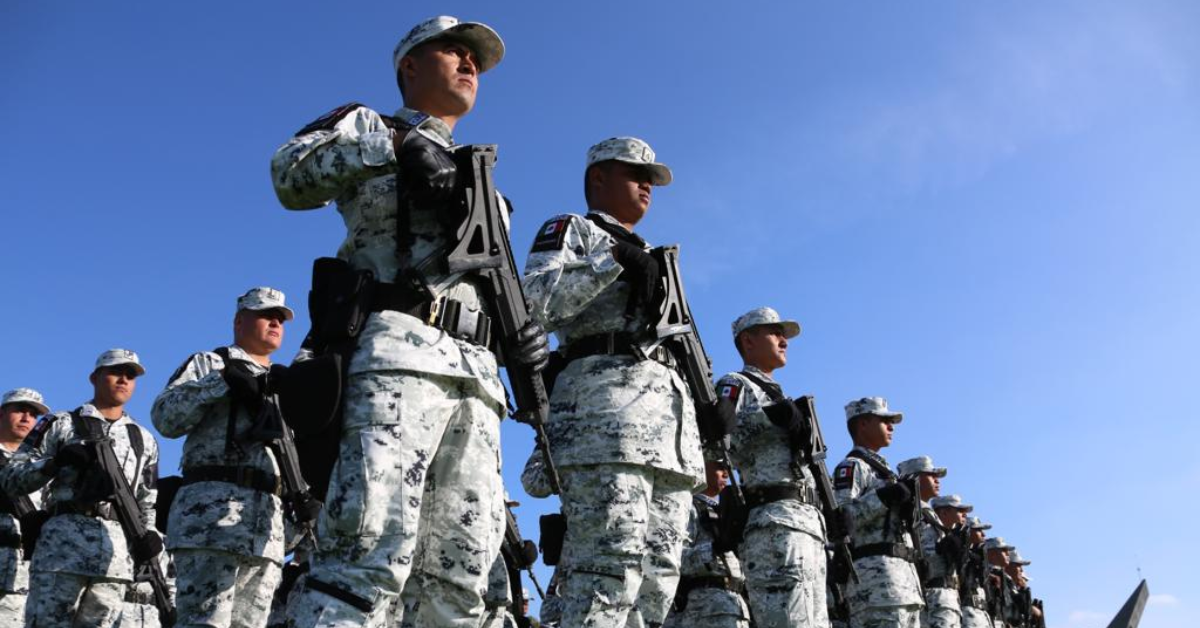
The State Department’s page for Mexico now lists terrorism as a risk factor at the country level and assigns the “T” marker in multiple states. Some entries add new phrasing that “cartels designated as terrorist organizations” are present. That tracks with a broader U.S. policy shift this year: Washington created a path to label certain cartels as Foreign Terrorist Organizations and has been pairing that with sanctions and extraditions. For travelers, the immediate upshot isn’t a ban. It is a stronger warning, and the word choice carries weight with insurers, corporate travel policies, and nervous families.
Why business groups are alarmed
Tourism is one of Mexico’s biggest employers and a quick cashflow business. Coparmex and CNET point to national data showing tourism contributing a large share of GDP and jobs. They also note a recent dip in international arrivals by air, a soft patch that hurts first where margins are thinnest. Micro, small, and medium-sized firms make up almost the entire sector. If U.S. travelers hesitate, it’s restaurants, tour operators, drivers, and artisans who feel it before resort chains do. The groups aren’t asking to sugarcoat reality. They’re asking for a fact-based push that separates hotspots from the country’s main vacation corridors.
The view from Puerto Vallarta
Puerto Vallarta’s Coparmex chapter is already in damage control mode. Its president, Francisco Gabriel Vizcaíno Rendón, says the destination remains safe and points to the absence of serious incidents endangering tourists in recent years. His message is blunt: national headlines can spook would-be visitors who don’t track local context. When that happens, hotel occupancy might look fine, but spending on the malecón and in neighborhoods drops, and small businesses take the hit. That storyline has played out all year as international arrivals lagged even when domestic travel held up. The advisory’s language risks hardening that trend.
Context that travelers rarely see
Mexico’s security map is uneven. Some states face persistent cartel conflict, road blockades, or targeted killings. Others rely on tourism and keep tight patrols in resort zones, airports, and highways. The advisory tries to capture that with different levels by state and city-specific allowances. That nuance is easy to miss on social media. When “terrorism” trends, the differences blur. That’s why industry groups want a single, coordinated message grounded in what most visitors will actually encounter in destinations like Vallarta, Los Cabos, or the Riviera Maya, while not glossing over higher-risk corridors.
What this means if you’re planning a trip
For most travelers, the practical guidance hasn’t changed. Stick to well-traveled routes. Move between the airport and your hotel via registered transport. Be extra cautious at night away from patrol zones. Check local advisories before side trips into rural areas. Enroll in STEP if you’re a U.S. traveler. None of that is new. The difference is how a single word shapes expectations. If the government and the industry can explain the change with precision, trips will go ahead. If the debate stays abstract and loud, fence-sitters will pause, and small businesses will feel it first.