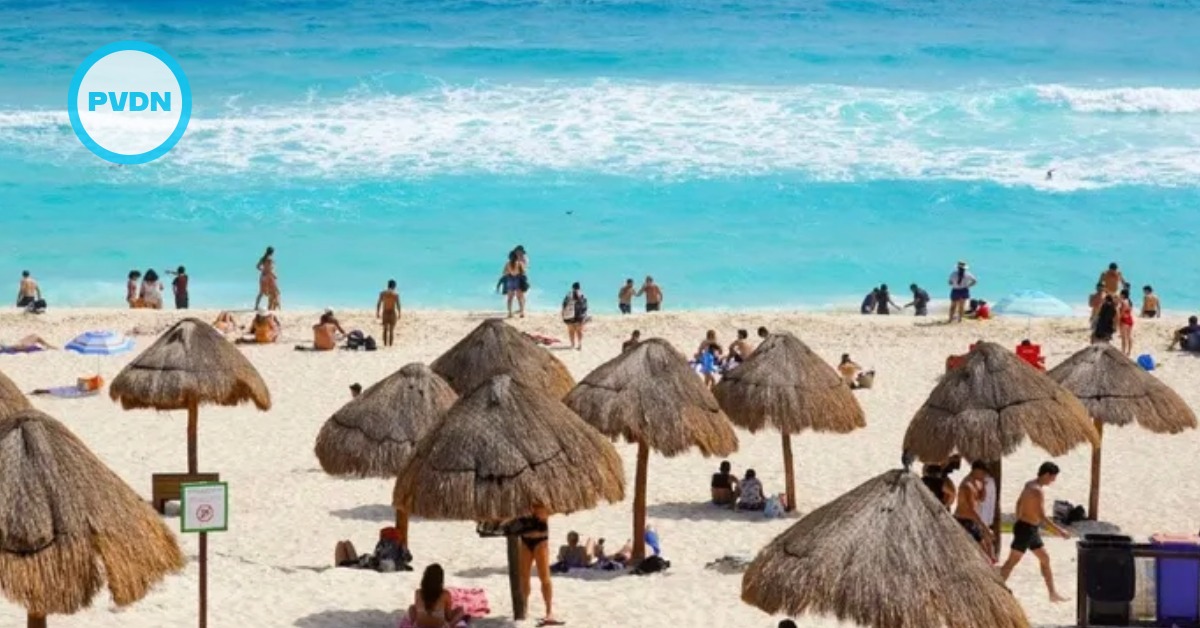
Mexico tourism inflows were pegged near $35.8B in 2025, supporting jobs and regional spending as final central bank data comes in.
Mexico’s tourism machine isn’t just about packed beaches and full flights. It’s also one of the country’s biggest sources of hard currency. New preliminary figures for 2025 put Mexico tourism inflows at about $35.8 billion, a number that shapes everything from service jobs to the small businesses that live off visitors. The early read hints at another record year—and some familiar pressure points. But where does that money actually land, and what should residents in tourist-heavy cities watch for next as the final data arrives?
What the $35.8B number really captures
The $35.8 billion estimate is a headline figure for the foreign currency Mexico earns when international visitors spend money inside the country. Think hotel bills, restaurant tabs, tours, transportation, shopping, and the long tail of services that sit behind a typical “vacation week.” It’s not the same as total tourism output, and it’s not evenly spread across Mexico. But it’s one of the cleanest ways to describe tourism’s direct punch in dollars.
The estimate comes from preliminary 2025 indicators presented by federal tourism officials as the year closed. Those indicators also frame the gain as stronger than the year before, which matters because 2024 already came in at record territory for tourism-related foreign-currency earnings. The message is simple: tourism keeps bringing in dollars at a scale few other sectors can match, and it keeps doing it with remarkable consistency.
Why it matters beyond the beach towns
Foreign-currency inflows can sound abstract until you connect them to everyday life in Mexico’s tourist corridors. Tourism is labor-intensive. It doesn’t just support hotel staff and tour guides. It also supports drivers, maintenance crews, cleaners, cooks, bartenders, event workers, and the suppliers who keep restaurants and hotels running. The preliminary 2025 picture puts tourism employment at roughly five million jobs, close to one out of every ten jobs in the country.
For expats living in Mexico, that job footprint is part of the backdrop of daily life. It’s why some neighborhoods seem to “wake up” as high season arrives. It’s why you can feel a city’s rhythm change with flight schedules and cruise arrivals. It’s also why tourism tends to act like a shock absorber when other parts of the economy soften. When visitors keep coming, local spending keeps moving.
A useful reality check is to look at the year-to-date trail. By October 2025, foreign-currency income tied to international visitors was already past $28 billion, with October alone bringing in about $2.44 billion. That kind of pace makes a full-year estimate in the mid-$30 billion feel less like hype and more like momentum.
The trade-offs hiding inside record numbers
Big tourism numbers come with two truths that can exist at the same time. The first is that the money supports livelihoods across a wide range of skills and pay levels, especially in places where there aren’t many other large employers. The second is that record demand can intensify pressure in the very places visitors love most.
If you live in a destination city, you’ve probably seen both. A strong season can mean more work and better tips for some residents, and better sales for small businesses. It can also mean heavier traffic, tighter housing, and more strain on public spaces. Even when the dollars are flowing, the benefits don’t automatically land in the same pockets, or in the same neighborhoods.
That’s why it matters to treat the $35.8 billion estimate as a starting point, not the whole story. The number tells you the scale. It doesn’t tell you who captures the margins, how much stays local, or how the costs are absorbed. Those questions tend to be where real-life conversations in expat-heavy communities get heated, especially in places that are already stretched.
What to watch as 2026 starts
The next chapter is confirmation and detail. Preliminary indicators are useful for taking the temperature of a year, but the full accounting comes as the official statistical releases and consolidated totals catch up. Watch for the final tallies that refine how much spending came from overnight tourists versus day visitors, and how much of the rise was driven by more arrivals versus higher spending per person.
Also, watch the pipeline. Air connectivity matters because it’s one of the clearest signals of future demand. When airlines schedule more seats and flights, destinations tend to feel it months later in bookings, staffing, and prices.
For residents—Mexican and foreign alike—the most practical question is not whether tourism is big. It is. The question is how well destinations manage the growth so it keeps paying for jobs and small business without eroding the day-to-day livability that made those places attractive in the first place.