After a day of burning vehicles and sudden highway shutdowns, Mexico’s top security official says the country’s road network is moving again. But the end of barricades does not automatically mean the end of disruption. Monday’s question for residents, travelers, and expats is what “normal” looks like after a coordinated wave of blockades tied to the fall of a cartel leader. From airports and school schedules to checkpoints and lingering advisories, the details matter. Here is what authorities say has changed overnight, and what may still feel different today.
Roadblocks lifted after Sunday’s shutdown
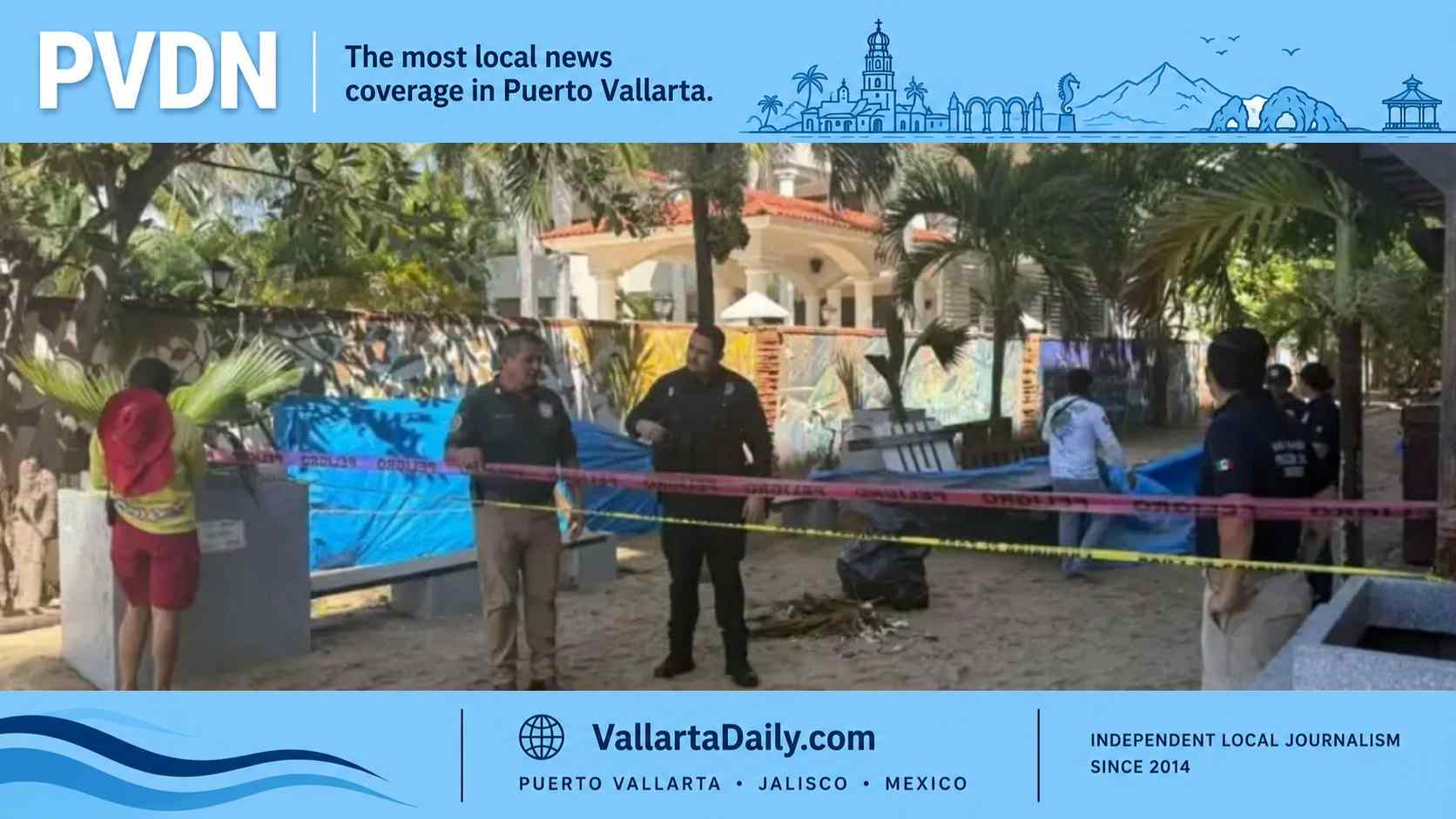
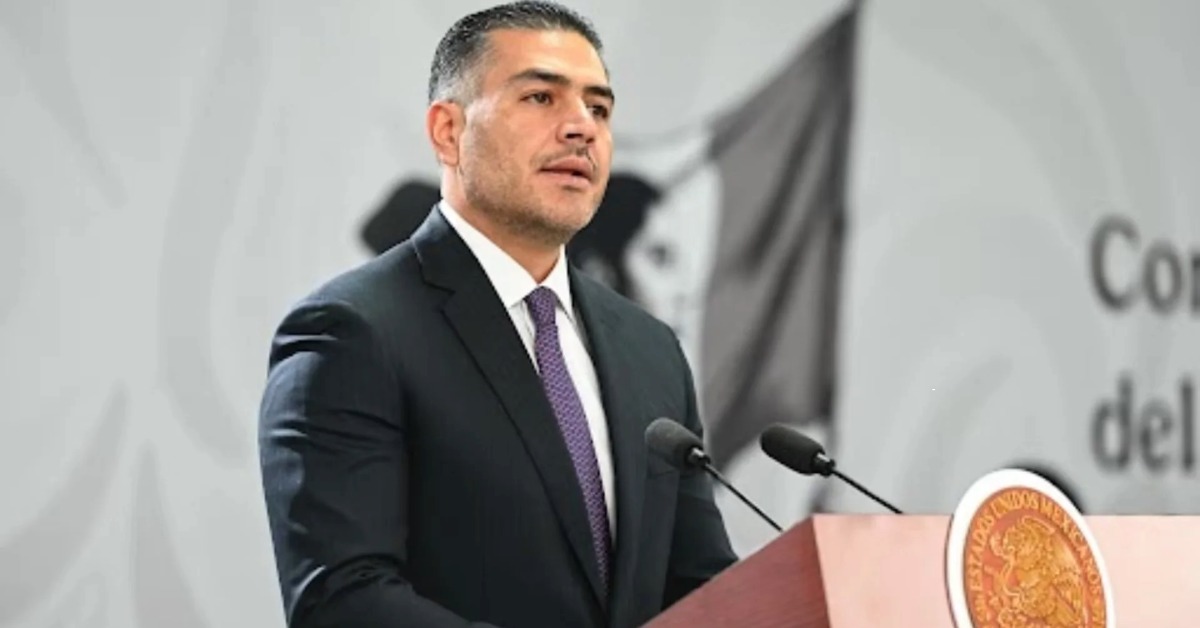
Mexican Security Secretary Omar García Harfuch said Monday that all roadblocks set up on Sunday had been removed. He said highways and key access points were open again. The blockades followed a federal operation in Jalisco. Authorities said the operation ended with the death of Nemesio Oseguera Cervantes, known as “El Mencho”. Until this week, he led the Jalisco New Generation Cartel, or CJNG. Within hours, armed groups torched vehicles and used them as barricades on highways, toll roads, and city approaches. Authorities also reported fires at some businesses and public offices. Harfuch said security forces faced multiple attacks during the response. He said the actions were coordinated and meant to paralyze movement. By Monday morning, he said the last closures were cleared. He urged the public to stay calm and follow official guidance. He also reported arrests linked to the violence. Federal and state patrols remained in place as traffic resumed and cleanup continued.
Scale of the disruptions
Federal authorities said the disruptions extended beyond Jalisco, even if the flashpoint was there. The national security cabinet reported 252 roadblocks and related obstructions across 20 states on Sunday. By about 8 p.m., it said roughly 90% had been cleared. A smaller number remained active overnight, along with some partial closures. The cabinet said the response was led by the Defense Ministry and the National Guard, in coordination with other agencies. It described the incidents outside Jalisco as isolated and concentrated in specific corridors. Jalisco had the highest concentration, with dozens of blockades on major corridors and urban routes. The obstructions often relied on burned vehicles to stop traffic and slow responders. Even after removal, debris and damaged vehicles created bottlenecks at some points. In some areas, residents reported empty streets and businesses that closed early. The Jalisco state prosecutor’s office said at least 25 people were detained, including suspects linked to violence and looting. For expats, the immediate concern was mobility. A closed highway can also cut access to airports, hospitals, and basic supply routes.
Travel and daily life Monday
Harfuch’s statement does not mean every routine snaps back at the same speed. Security deployments remain visible in several states, and checkpoints can slow traffic even on open roads. On Sunday, some airlines paused or canceled flights to destinations that depend on secure ground access. Carriers may need a full day to reposition aircraft and crews after diversions and cancellations. Airports can stay open while passenger movement is still constrained by highway conditions. Local governments also made their own calls on Monday schedules. Some classes were suspended or in-person services were reduced as a precaution after the unrest. Those measures can remain in place even when federal routes are cleared. For residents who rely on deliveries, normal service can lag behind the reopening of roads. Fuel distribution, cash transport, and retail restocking often depend on uninterrupted highway corridors. In practical terms, Monday may look like open highways paired with a heavier security footprint and uneven reopening across cities.
What authorities are watching next
Officials presented the cleared roads as a marker that the state has regained control of key infrastructure. They also signaled that the security operation is continuing beyond the removal of barricades. Cartel responses after major leadership losses have sometimes shifted from mass blockades to smaller, less predictable attacks. Authorities said they were maintaining coordination with state governments to deter new disruptions. They also stressed the need to prevent misinformation from driving panic, especially on social media. For expats, the next question is often about reliability rather than headlines. That includes whether banks, pharmacies, and transport networks operate normally after a night of arson and closures. Foreign missions issued shelter guidance during Sunday’s unrest, and their advisories may stay active until formally updated. Even with highways reopened, travelers can still face localized closures near incidents, investigations, or cleanup sites. The government’s test in the coming days will be to keep movement open while reducing the risk of renewed disruption.