Mexico-US cartel pressure ramps up with tighter intel sharing on drones, faster extraditions, asset seizures, and a new focus on fuel theft.
You can feel it when a policy shift becomes real. The language gets tighter. The targets get smaller. And the work moves from big promises to the unglamorous stuff that actually breaks a criminal network.
That’s the mood around the latest round of Mexico–U.S. security coordination. This isn’t just about “going after cartels” in the abstract. It’s about the practical choke points that let them operate: drones used to intimidate and attack, court processes that drag, cash that keeps labs running, and side hustles like fuel theft that quietly bankroll violence.
And yes, there’s politics wrapped around every sentence. Mexico has been clear that it won’t accept foreign forces operating on its soil. The U.S. has been loud about fentanyl and impatient about results. Cooperation has to be real enough to work, but careful enough to hold the line on sovereignty.
Officials from both countries met in Mexico City on December 11 for the second meeting of the bilateral Security Implementation Group. The public message afterward was simple. Do more together, do it faster, and focus on threats that are changing in real time. A follow-up meeting is already scheduled for January 2026.
If you’ve heard versions of this story before, you’re not wrong. Coordination has come and gone with every administration, every spike in violence, every new “priority.” What feels different this time is the specificity. Not just “stop drugs.” Stop the tools and systems that make the trade possible. That kind of focus is harder to fake, and harder to walk back once agencies start building shared routines. And it lands as border communities watch drone incidents with fresh nerves.
Mexico-US cartel pressure
Cartels have been using drones for years. At first, it was surveillance. Then it was intimidation. Now, officials are openly treating drone incidents near the border as a serious, evolving threat that requires joint planning. The new commitment is to improve intelligence sharing and connect analytical platforms so both sides can spot patterns early and respond faster.
That sounds technical, because it is. But the stakes are plain. A drone doesn’t need a passport. It doesn’t care about fences. If your job takes you near a crossing, or you live in a community that already feels the squeeze, a cheap flying device can turn a tense situation into chaos in seconds.
The other headline promise is speed. Both governments say they want to deepen and streamline cooperation on extraditions, asset forfeiture, and investigations into fuel theft. Extraditions are about bodies. Asset seizures are about money. Fuel theft is about the hidden revenue streams that keep people paid and vehicles moving.
This is where Mexico-US cartel pressure becomes an attempt to hit cartels in multiple places at once, so they can’t simply absorb a few arrests and keep rolling. It’s also a signal to the people who make organized crime possible without ever carrying a gun. Accountants. Front companies. Middlemen. Anyone willing to look away.
Fentanyl sits at the center of the shared priorities. U.S. officials describe the goal as ending the illicit fentanyl pipeline and say the push includes going after financial institutions and individuals who are complicit in the drug’s manufacture, distribution, and sale, as well as its precursor chemicals. That’s a big umbrella, on purpose. You can’t stop a synthetic drug by focusing only on street-level dealers. You have to follow the supply chain and the payments that grease it.
There’s also a harder edge in the language. The U.S. has been designating certain cartels as foreign terrorist organizations, and the bilateral message talks about taking decisive action against those groups and other criminal organizations, disrupting illicit revenue flows, and countering emerging threats. That is “shared responsibility” with teeth.
Here’s the part people often miss. Coordination doesn’t just happen in meeting rooms. It shows up in what gets prioritized on an analyst’s screen at 2 a.m. It shows up in which cases prosecutors choose to push first. It shows up in the paperwork that suddenly starts moving after months of silence.
That’s why the timing matters. The next meeting is scheduled for January 2026, suggesting this isn’t a one-off press cycle. It’s a working calendar. And working calendars tend to produce measurable changes, even if they’re quiet at first.
The fuel theft piece is especially telling. On the surface, it sounds like a domestic corruption problem. In practice, stolen fuel is cash on wheels. It pays recruiters. It buys weapons. It keeps local cells loyal, even when drug routes get squeezed. Treating fuel theft as a shared investigative priority is a way of admitting that cartels aren’t “drug groups” anymore. They’re diversified businesses with armed enforcement.
Extraditions carry their own baggage. They can stall for legal reasons, but also for political ones. When both sides talk about speeding up that process, they’re talking about removing friction. The same goes for asset forfeiture. You can arrest ten people and still lose the war if their money keeps moving.
There’s a numbers clue here, too. U.S. border authorities say they seized about 12,000 pounds of fentanyl in fiscal year 2025, and more than 70,000 pounds of cocaine. Those are massive amounts, even in a “down” year. It’s a reminder that success will be measured in hard counts, not headlines.
The border is the stress test
You can already see the two-track messaging. On one side, there’s the push to tighten cooperation. On the other hand, Mexico keeps repeating a red line: no foreign intervention. That’s not a slogan either. It’s a warning meant for Washington and a reassurance meant for Mexicans who have watched the “war on drugs” swallow institutions whole.
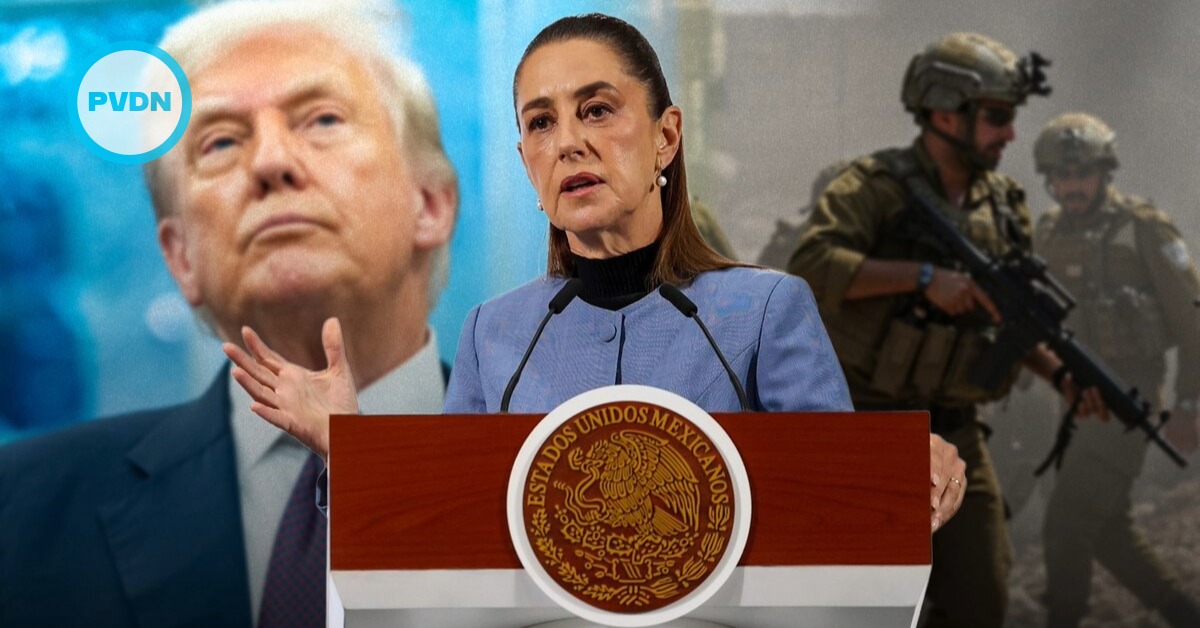
Meanwhile, the U.S. political temperature keeps rising. President Donald Trump signed an executive order classifying fentanyl as a “weapon of mass destruction,” a move that signals a more national-security framing of the crisis. Mexico’s president, Claudia Sheinbaum, has said her government will analyze what that means, including because fentanyl also has legal medical uses. That’s a diplomatic way of saying: we’re listening, but don’t expect us to sign a blank check.
So what should you watch for next? Start with whether extraditions begin moving more quickly. Then look for asset seizures that don’t just grab cash, but peel back entire networks. Pay attention to whether fuel theft gets treated like cartel financing, not just an energy-sector mess. And keep an eye on the drone threat, because it’s the clearest sign that both countries are adapting to how cartels innovate.
None of this guarantees safer streets tomorrow. Cartels don’t disappear because two presidents shake hands. They adapt, they splinter, and they fight. But pressure that targets intelligence, money, logistics, and legal pathways simultaneously is different from pressure that relies solely on raids.
The question now is whether this tighter coordination delivers the boring results that actually matter: fewer shipments, fewer weapons, fewer recruits, and fewer families caught in the middle.