Mexico and the United States just put critical minerals on a fast track, with a 60‑day deadline and a few loaded ideas tucked inside. Officials are discussing joint geological mapping, shared standards, and a new border tool that could set minimum import prices. It sounds technical, but the stakes are not. The plan comes as North America heads toward a major trade review and global supply chains for high-tech materials look shakier by the month. What exactly Mexico agreed to—and what it could unlock next—is the part worth watching.
A 60-day plan with trade teeth
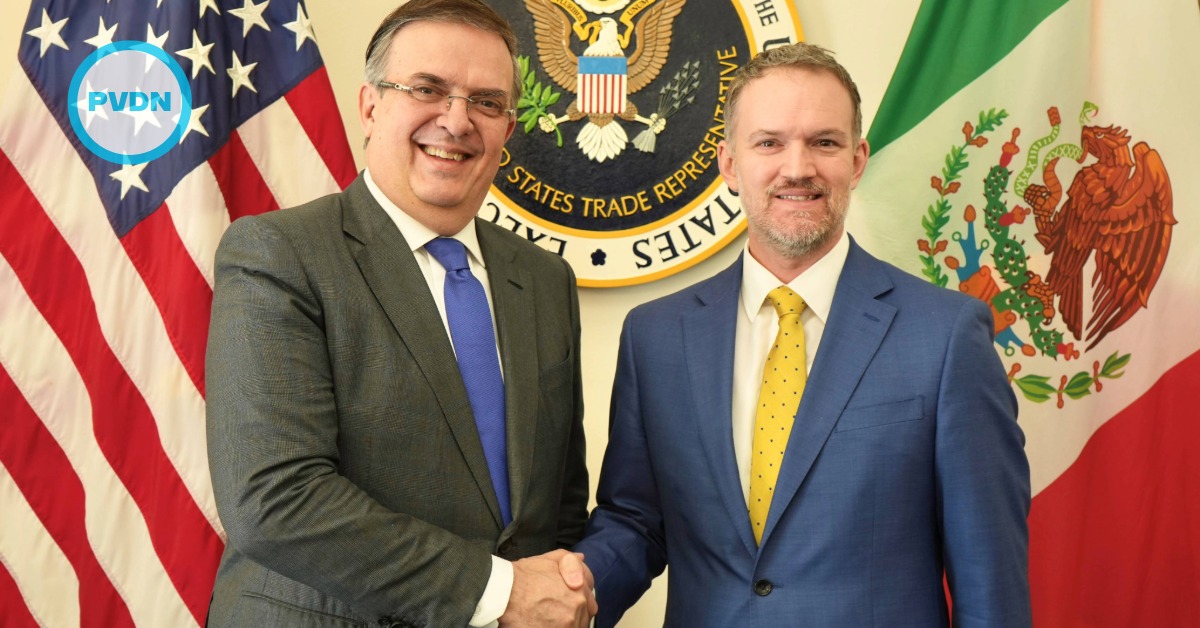
Mexico and the United States have started a 60-day sprint on critical minerals. These are the inputs inside batteries, chips, and other high-tech parts. The work will run through Mexico’s Economy Secretariat and the U.S. Trade Representative. It follows a Washington meeting between Marcelo Ebrard and Jamieson Greer. This is not a mining contract. It is a trade-and-policy framework. The stated aim is preferential trade that protects the region from shocks. First, both governments will agree on a short list of priority minerals. Then they will study “border-adjusted” price floors for imports. Think of it as a minimum price at the border. One intended effect is to deter dumping and subsidized underpricing. Both sides also plan to identify projects in mining, processing, and manufacturing, including in third countries. They say they will prioritize financing and policy support for projects that meet responsible business standards. The plan also points to the next steps. Those include shared standards for mining and processing, and closer investment screening. It also mentions joint research and coordinated stockpiles. A practical early move is geological cooperation. The U.S. Geological Survey and Mexico’s geological survey plan to share mapping data. That could help identify deposits and reduce market guesswork.
Why minerals, why now
Critical minerals have become shorthand for economic security. In U.S. law, they are essential minerals with supply chains vulnerable to disruption. The new plan applies that logic to North America. It blames “non-market” distortions for shortages, price crashes, and even economic coercion. The goal is a more market-based supply chain. The text does not name countries. Still, the backdrop is easy to read. Processing capacity for key minerals is concentrated overseas, and export controls have become a tool of pressure. Washington is also pitching a wider, binding minerals pact with other partners. That push matters to Mexico because it is tied to U.S. factories. Autos, aerospace parts, medical devices, and electronics cross the border repeatedly. If minerals and refined materials become a choke point, production takes the hit first. Politics follows fast. With the 2026 USMCA joint review approaching, both governments have an incentive to show they can still build things together. Canada is not part of this specific action plan, even though it is part of the USMCA.
Mexico’s leverage and its constraints
Mexico is not starting from zero. It is already a major mining country, and it ships key industrial minerals north. For the United States, that matters because some supply chains are closer than people think. Fluorspar is one example; it is used to make chemicals for steel and aluminum. Copper is another, central to wiring and electrification. But the hard part is not only digging rock. It is turning concentrates into the refined materials that factories actually need. That step is where bottlenecks and geopolitical pressure usually show up. The action plan hints at this gap by talking about processing, manufacturing, and research, not just extraction. It also leans on “responsible business conduct” language, which signals that labor, community impacts, and environmental rules are part of the conversation. In Mexico, that is unavoidable. New mining projects can take years, and social acceptance is often the deciding factor. For now, the plan leaves the toughest choices open. Which minerals will make the first cut and where the investment will land are still to be decided.
What expats in Mexico should watch next
For most people in Mexico, this agreement will not change their lives next week. It is an early-stage plan and light on project names. The first real signal will come at the end of the 60 days. Watch for a defined list of priority minerals and a clearer sense of how a price floor would work. If it moves forward, the mechanism could reshape who sells into North America and on what terms. That matters for the factories that anchor many local economies, from the border region to Bajío. It could also steer new exploration and processing investment toward specific states, especially where infrastructure and security already support mining. It also shows President Claudia Sheinbaum’s team trying to keep channels open with the Trump White House. For expats, the biggest day-to-day impacts are likely indirect. A steadier USMCA climate tends to support jobs and the peso, while a trade fight does the opposite. Still, more mining activity can surface local friction over water, land use, and community consent. Expect that debate to sharpen if new projects are announced. The quiet part of this plan is that it ties trade policy to the ground beneath Mexico’s feet.
With information from El Financiero, United States Trade Representative, United States–Mexico Critical Minerals Action Plan, United States Trade Representative, U.S. Geological Survey