Mexico has a new federal count for one of its largest public-service pressures: the amount of waste produced every day. Semarnat’s 2026 diagnosis puts the figure at nearly 140,000 tons of urban solid waste daily and says the data will be used by state governments, public agencies, private operators, universities, and civil groups as Mexico adjusts waste-management planning. The report also describes how most local systems still depend on collection and final disposal.
Mexico generates nearly 140,000 tons of waste per day, Semarnat says
Mexico generates 139,902 tons of urban solid waste each day, according to a new national diagnosis presented by the federal Ministry of Environment and Natural Resources.
The figure comes from the 2026 Basic Diagnosis for Integrated Waste Management, known by its Spanish initials as DBGIR. Semarnat presented the document on Wednesday, May 20, as a technical base for waste policy, recycling work, circular-economy planning, and the federal Basura Cero strategy.
The estimate equals 1.076 kilograms per person per day, based on a population of 129.96 million people and the combined total of domestic and non-domestic waste.
Federal diagnosis puts a number on daily waste
The diagnosis covers waste generated in homes, industry, businesses, services, and public spaces. Semarnat classifies the material as domestic and non-domestic, with collection handled through public or private services.
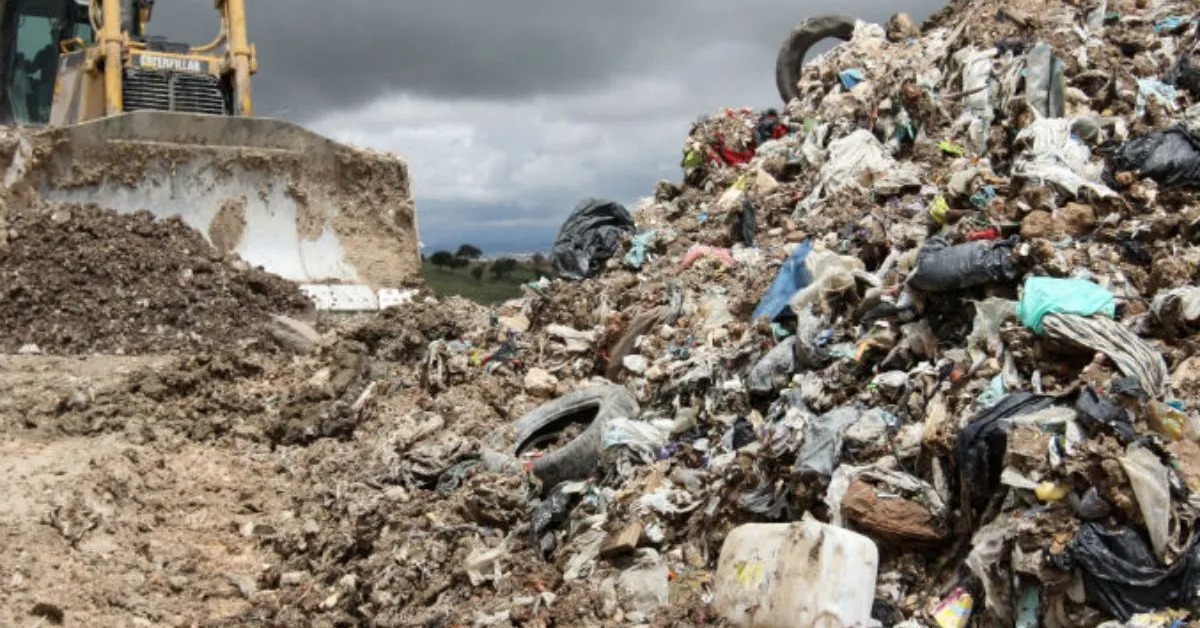
The report says many municipal systems still operate on a collection-and-disposal model, often without separating urban solid waste from waste that requires special handling. In some places, waste moves through transfer stations or selection plants, where some material can be routed to composting, collection centers, recycling, or co-processing. Most waste still goes to final disposal sites.
Semarnat said the diagnosis is intended as a planning tool for the governments of all 32 states. It can also be used by public agencies, private companies, nongovernmental organizations, and academic institutions working on waste prevention, disposal, recycling, or investment projects tied to waste recovery.
Treatment and recovery remain limited
Separate coverage of the DBGIR presentation reported that only 5% of waste receives some type of treatment, while 72% lacks recovery or valorization processes. The same report said the diagnosis identified 2,250 final-disposal sites nationwide, of which 52 operated as sanitary landfills meeting final-disposal criteria.
Those figures place the daily tonnage in a broader infrastructure problem. The national waste stream is large, but the systems that collect, separate, treat, and reuse material remain uneven.
For Jalisco and other states, federal data provides local governments with a common reference point as they review collection, disposal, and recycling systems. In municipalities where trash collection has already become a public service issue, the national diagnosis adds updated figures to a problem often first seen at the neighborhood level.