In the high pine forests of Milpa Alta, Mexico City’s southern edge, a small band of guardians sets out before dawn. They are unarmed and outnumbered by the dangers lurking in the woods, yet these community “forest guardians” patrol tirelessly to defend the capital’s green lung from those who would destroy it. Night and day, they trek across rugged hillsides and foggy ravines, chasing off illegal loggers and poachers and even dousing sudden flames. It’s a quiet, grassroots fight for survival—both for an irreplaceable ecosystem and for the traditions of the people who call this land home.
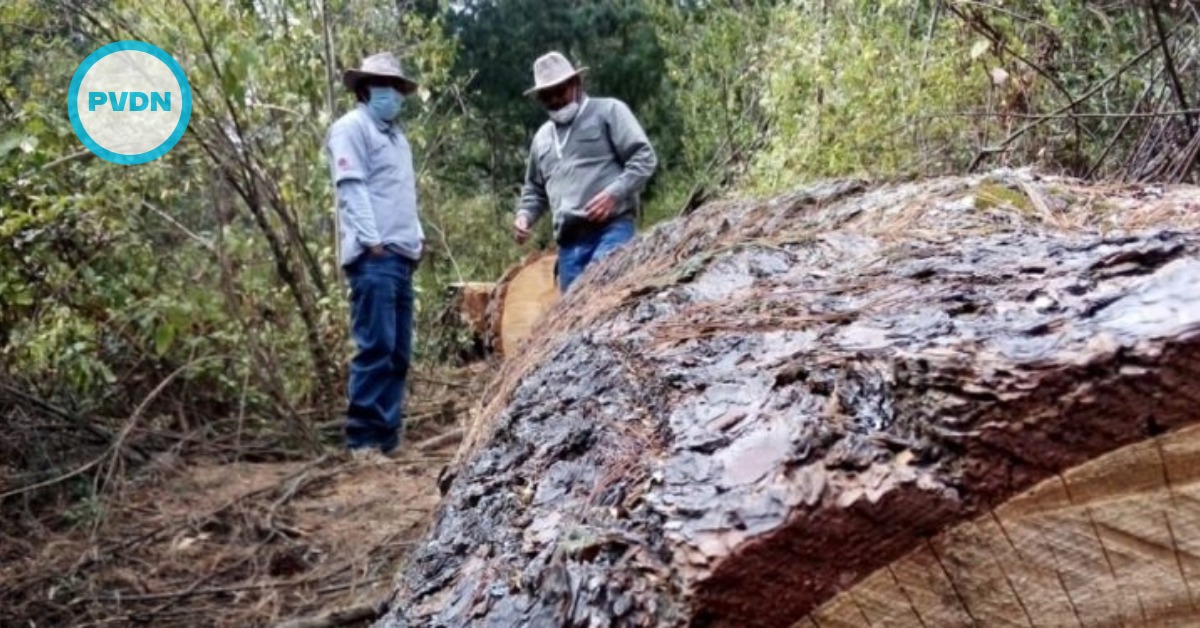
Their mission began as a response to a crisis. Faced with escalating illegal logging, uncontrolled hunting, and a rash of suspicious wildfires, residents of Milpa Alta’s indigenous Nahua communities decided they could wait no longer for outside help. In late 2025, they organized a rapid-response forest guard on their own. The unit consists of a dozen local men intimately familiar with these mountains. Many cultivate the area’s famed nopal cactus by day and don the mantle of forest protectors in their off hours. Armed only with machetes, radios, and their knowledge of the terrain, they set out to deter those who sneak in to cut trees or kill wildlife. What they lack in resources, they make up for in dedication and experience in the wild.
Guarding the green frontier
The guardians work in rotating brigades to ensure a round-the-clock presence. Adrián Guadalupe Salas, a former soldier and community member, leads one of the teams. Each squad of four men embarks on a 24-hour patrol every three days, then rests while the next team takes over. This rotation means the forest never goes unwatched. By day, the men hike for hours along remote trails, crossing areas where towering oyamel firs and ocote pines stand tall. By night, they take turns watching over key hotspots where trouble is known to strike. In some stretches, a lone guardian will venture into the darkness, listening for chainsaws or suspicious rustling in the branches, guided only by moonlight and the memory of the terrain. “The biggest challenge we face is the hunters,” says Salas, noting that poachers often creep in after dusk. These intruders sometimes even set fires to flush out deer or rabbits, hoping to shoot the fleeing animals. The guardians have learned to spot the telltale glow of such illicit campfires and move quickly to intervene before a small blaze becomes an inferno.
Confrontations are an accepted risk. Illegal loggers—talamontes as they’re known in Mexico—operate in organized crews, often armed and protective of their lucrative black market timber trade. Poachers likewise may carry guns. The Milpa Alta guardians, by contrast, carry no firearms. When they encounter envaders cutting trees or stalking prey, the approach is strategic: appear in numbers, shine flashlights, make their presence known. Often, that alone is enough to send the offenders running. On occasion, the guardians have made citizens’ arrests or seized equipment such as chainsaws and trucks. They’ve had guns pointed at them and even received death threats from angry illegal loggers. “More than once we’ve been shot at out there,” one veteran of the brigade confided to a local reporter. Still, they refuse to back down. Their mere vigilance has significantly curbed tree-cutting in some parts of the mountains. In one village’s woods, locals report that clandestine logging has dropped off noticeably since the patrols began, a hard-won reward for the peril the guardians endure.
A vital lung under pressure
Milpa Alta’s forest is often called the “green lung” of southern Mexico City—and for good reason. This high-altitude woodland does far more than provide pretty scenery. Its trees clean the capital’s smoggy air, absorbing carbon dioxide and releasing oxygen for millions of residents. Thick leaf litter and rich soil soak up rain during the wet season, replenishing aquifers beneath the city and reducing flood runoff. The area is sometimes referred to as part of the “Bosque del Agua” or Forest of Water, a crucial watershed for the entire Valley of Mexico. On a broader scale, these woodlands offer a buffer against climate extremes, cooling the air and storing carbon that helps offset the city’s enormous emissions.
The forest is also a last refuge for wildlife that has all but vanished from the metropolis. Within Milpa Alta’s oak and pine groves live white-tailed deer, coyotes, bobcats, and even the tiny zacatuche rabbit—an endangered species found only in the mountains around Mexico City. Dozens of bird species flit through the canopy, from hawks to hummingbirds. Many of the guardians have grown up seeing these creatures and understand their significance. They’ve watched as habitat elsewhere in the capital has been lost to urban sprawl, making the protection of this remaining sanctuary even more urgent. Every fallen tree or hunted animal isn’t just a local loss; it’s a blow to biodiversity in the entire region.
Yet the pressures on this green lung are unrelenting. Mexico City’s expanding population exerts indirect pressure, including demand for wood and land and recreational use of forests. Farmers from neighboring states sometimes set fires intentionally to clear land or stimulate new grass for grazing, not realizing (or not caring) that a single spark in the dry season can race upslope and consume whole swaths of woods. Indeed, almost all wildfires in the city’s conservation zones are caused by human activity. Milpa Alta, in particular, experiences hundreds of forest fires each year during the hot, windy spring months. In recent years, it has led all city boroughs in the number of fires—some accidental, many others deliberately ignited. The volunteer brigades have become adept at firefighting out of necessity, often serving as first responders to douse flames until official fire crews arrive. With limited equipment—sometimes just shovels and backpack water pumps—they carve out firebreaks and beat back flames to save as much of the woodland as possible.
Community at the helm
What sets the Milpa Alta guardians apart is that they are not a government task force or an outside NGO – they are local communeros acting out of deeply personal motivation. Most belong to communal landholder families that have stewarded these forests for generations. They see themselves as inheritors of a responsibility to protect the land, a duty passed down from their ancestors who kept these woods intact. In their view, defending the forest also defends their way of life. Many of the volunteers juggle this work with day jobs, from farming and construction to small businesses. It’s exhausting, often thankless work: long, cold nights on the mountain, confrontations with dangerous criminals, and no formal salary. At best, they receive modest support from the community and small stipends through environmental programs.
Their initiative has started to change attitudes in the area. Neighbors who once might have turned a blind eye to illegal tree-cutting now alert the brigade when they hear chainsaws. Youth in local schools have begun attending tree-planting events and learning from the guardians about respecting the forest. The authorities, too, have taken note—albeit slowly. Mexico City’s environmental officials acknowledge that community efforts like this are crucial in remote areas. There is talk of better coordination, perhaps sending the National Guard to assist, but the guardians are cautious. They welcome help but don’t want a heavy-handed presence that overrides the community’s autonomy. After all, they argue, who knows these mountains better than the people who live in them?
For now, the forest guardians of Milpa Alta continue their vigil largely alone. In the still darkness just before the city’s lights glow on the horizon, they walk among ancient trees with only the crunch of pine needles underfoot. Every so often, a distant howl of a coyote or the hoot of an owl reminds them of what they’re fighting for. Tired but resolute, they pull their jackets tighter against the mountain chill and keep moving. Their battle to save this green lung is far from over, but with each night’s patrol, they send a clear message: this forest has protectors, and it will not be surrendered.
With information from El Universal, Milenio, Chilango, CDMX Magacín, Secretaría del Medio Ambiente CDMX