As Monterrey World Cup tourism ramps up, locals face toxic air, hotel price spikes and Guadalupe pilgrimages that will test city services in December 2025.
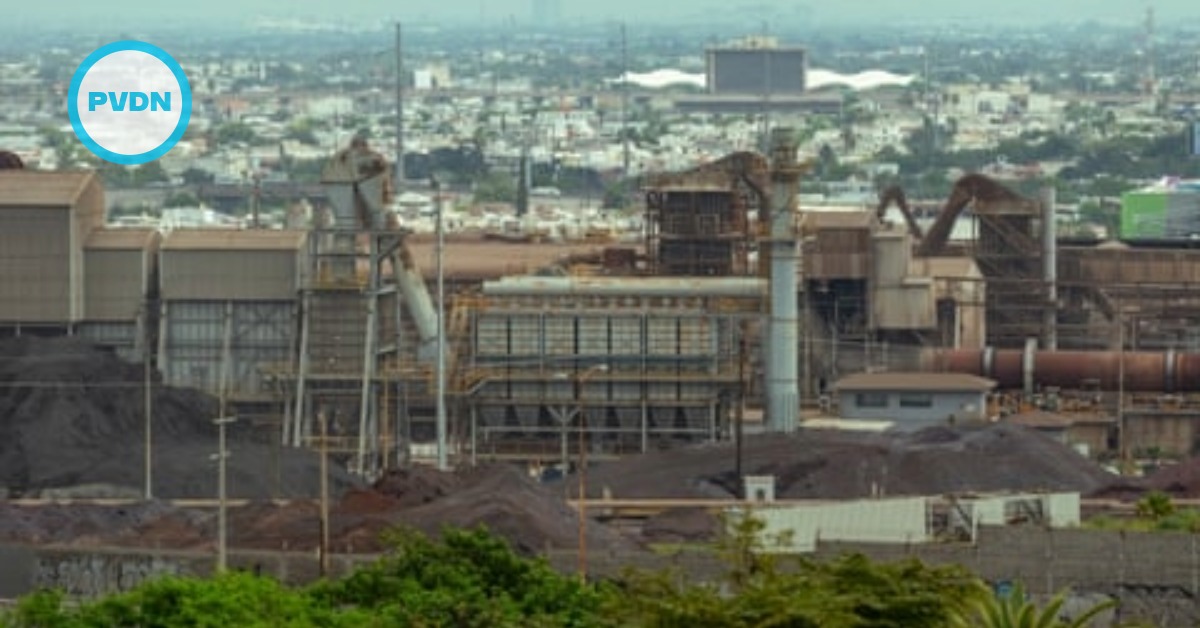
Monterrey is stepping onto the global stage as a World Cup host while living with a darker reality in its air. A new cross-border investigation has put the metro’s industrial belt under the microscope, documenting toxic metals in neighborhoods and giving voice to residents who say they are “breathing poison.” The same skyline that sells nearshoring success now carries a health warning for families who live downwind of major plants.
Researchers working with reporters found heavy lead, cadmium and arsenic contamination near industrial facilities that produce for the United States market. Their findings sharpen a long-running complaint in working-class colonias around the Santa Catarina river: that the cost of growth is being paid in asthma attacks, headaches and constant worry about long-term damage. State officials highlight plant shutdown orders and new monitoring, but neighbors say enforcement often arrives late and leaves quickly.
This air-quality spotlight comes just as Monterrey World Cup tourism begins to feel real for both residents and the hospitality sector. Local businesses see a unique chance to fill hotels, bars and tour vans. Families who already struggle with heat, drought and traffic wonder how much more strain the city can absorb before the party arrives.
Monterrey World Cup tourism
The World Cup schedule, along with hospitality marketing, is already reshaping Monterrey’s hotel market. A recent industry analysis shows that average room rates in Monterrey for the six-week tournament window have more than tripled compared with the same period in 2025, one of the sharpest jumps among host cities in North America. That surge mirrors a wider pattern of rising prices across all 16 host cities as fans lock in early bookings.
In practical terms, that means mid-range rooms that today sell to business travelers and regional tourists may be out of reach for many Mexican fans by next summer. The risk is not only empty wallets. If prices push visitors toward informal rentals in far-flung neighborhoods, pressure on transport, water and security will spread well beyond the stadium and central hotel zone. At the same time, local landlords are watching to see whether short-term rentals will squeeze long-term tenants even more.
Tourism officials argue that higher rates reflect simple demand and that the city will benefit from jobs and visibility. Hotel managers say they are balancing pre-sold blocks for package agencies with last-minute demand from Mexican supporters. Behind those talking points sits a basic question for residents in Guadalupe, San Nicolás, and Apodaca: Will this be a one-time windfall that also drives up their everyday cost of living?
December is already giving Monterrey a live rehearsal for crowd control. In the run-up to December 12, the Basílica de Guadalupe in colonia Independencia has received hundreds of organized pilgrimages, with local media reporting nearly 500 processions completed and around 100 more expected over the weekend. City authorities have asked groups to register their routes with the traffic police and are closing streets in the steep-hill neighborhood as waves of faithful arrive on foot, by bus, and in pickup trucks.
Those Guadalupe celebrations bring a different kind of income to small shops, food stalls and transport drivers, while also exposing weak spots. Long waits for ambulances in crowded streets, uneven lighting along pedestrian routes and trash piling up after night-time pilgrimages all hint at the logistical work still needed before football fans arrive in similar numbers.
Faith, schools and daily life under strain
Away from the basilica and hotel corridors, Monterrey’s school families are fighting a quieter battle over safety. Lawmakers in Nuevo León advanced a new education law this week without a clause requiring transparent backpacks in public schools, citing Supreme Court rulings that limit intrusive searches. In response, the Unión Neolonesa de Padres de Familia is calling for a voluntary plan to promote clear bags anyway, arguing that recent episodes of violence in classrooms justify extra caution.
For many parents, especially in dense urban school zones, the debate is not abstract. They are juggling fears about weapons or drugs on campus with worries that transparent backpacks expose children’s belongings and privacy. Teachers are caught in the middle as they try to enforce rules that change from one administration to the next. The outcome will shape daily routines for thousands of students in 2026, just as the city is selling itself as a safe, modern destination for visiting fans.
Big-ticket investment stories add another layer to this tension. Last month, Governor Samuel García announced with fanfare that Nvidia would invest US$1 billion in a “green” artificial-intelligence data center in Nuevo León, positioning the state as a regional tech hub. Hours later, Nvidia publicly denied having any such investment plan, clarifying to Reuters that it has no financial projects in Nuevo León and focuses instead on partnerships and training. State officials then said the billion-dollar project will go ahead, but under a Mexican company that will buy Nvidia technology for an AI-focused, hydrogen-powered facility.
For residents, the back-and-forth reinforced two truths. Nearshoring and data-center projects will keep flowing toward Monterrey’s industrial corridor, bringing jobs, traffic and heavy energy use. The same communities already breathing polluted air will likely live next to the infrastructure that keeps those servers running. At the same time, mixed signals from government and companies make it hard for people to know who is really accountable when dust, noise or water shortages arrive.
All of this leaves Monterrey at a crossroads heading into 2026. The city’s faith traditions can still bring tens of thousands into the streets in a spirit of gratitude. Parents continue to press for safe schools and clear rules. Workers in hotels, kitchens and factories see new opportunities as Monterrey World Cup tourism grows, but they also wake up each day under a hazy sky. Visitors who arrive for football, business or religious events will find a proud, energetic city that is also grappling with the actual price of its boom.