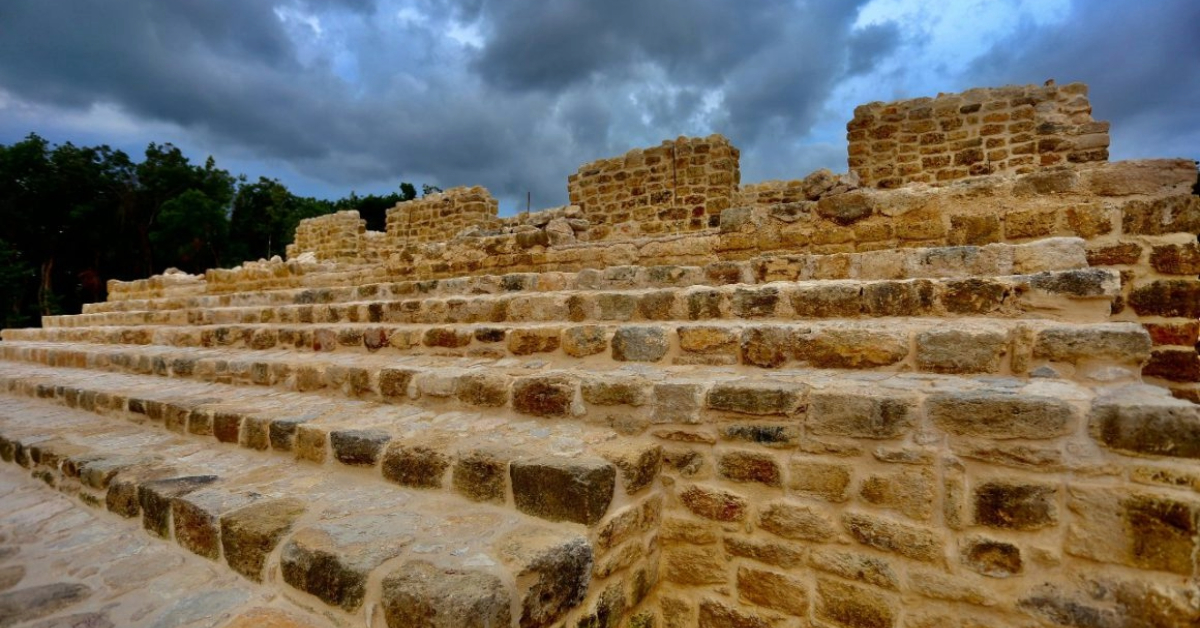
Governor Mara Lezama announces the August opening of the Chetumal Archaeological Park, showcasing 47 ancient Mayan structures relocated from the Mayan Train project to promote cultural tourism and heritage preservation.
Chetumal, Mayan Train, Mayan Archaeology, Quintana Roo tourism, INAH, Mara Lezama, cultural tourism, archaeological park, Maya heritage, Mexico news
Chetumal, Quintana Roo — Governor Mara Lezama Espinosa has announced the creation of the Chetumal Archaeological Park, a monumental cultural initiative that will open in August inside Quintana Roo Park. The site will feature 47 ancient Mayan monuments, relocated and restored through the largest archaeological rescue project ever undertaken in Latin America.
The project stems from the archaeological salvage efforts along Sections 6 and 7 of the Mayan Train, where hundreds of historical remains were uncovered in communities such as Juan Sarabia, Jesús González Ortega, and Francisco Villa. The initiative is being led by the National Institute of Anthropology and History (INAH), in collaboration with the Ministry of Culture, the Ministry of National Defense (Sedena), and the State Government of Quintana Roo.
“This is not just a park—it’s a bridge between our past and our future,” said Lezama during a recent tour of the site. “We are preserving the Maya heritage and building a foundation for cultural tourism that benefits our people.”
A Collaboration Across Institutions
The ambitious relocation and conservation work involves 29 archaeologists and dozens of personnel from both military and civilian backgrounds. Structures dating back over 1,500 years are being carefully transferred from excavation sites impacted by construction of the Mayan Train and installed in a new, publicly accessible environment designed for education and reflection.
Lezama emphasized the uniqueness of the project, calling it “the largest archaeological relocation and restoration project in Latin America.”
A Walk Through History
The park will be divided into three interpretive zones, allowing visitors to walk among original stone structures from the Classic Maya period, gaining insight into ancient cosmology, urban planning, and religious life. The design of the park aims to immerse visitors in a culturally rich environment while keeping the presentation respectful of the original context of the artifacts.
“These aren’t just stones,” said Lezama. “Each monument tells a story that belongs to our land, and now it will be accessible to all.”
Cultural Tourism With Social Justice
More than a tourism boost, the park is part of the state’s broader vision for inclusive cultural development. Governor Lezama highlighted that the project embodies the principle of social justice, ensuring that communities impacted by large-scale infrastructure projects like the Mayan Train also benefit from long-term cultural and economic investment.
“This park is an act of justice,” she said. “It restores dignity to our past and opens opportunity for our future—especially for the local communities that have long been guardians of this heritage.”
A New Destination for Cultural Travelers
With the official inauguration scheduled for August, Chetumal is positioning itself as a key destination for cultural tourism in southeastern Mexico. The Chetumal Archaeological Park is expected to draw both national and international tourists interested in the Maya civilization, complementing the broader tourism strategy built around the Mayan Train corridor.
Officials believe that the park will not only boost visitor numbers but also stimulate local employment in cultural services, guiding, conservation, and education.
Heritage in Motion
The governor closed her remarks by underlining the symbolic importance of this endeavor: “The stones we move today are not just monuments of the past—they are building blocks for the future we’re creating in Quintana Roo.”
As the countdown to the August opening begins, anticipation is high for a park that brings together science, culture, history, and community pride, all in one place.