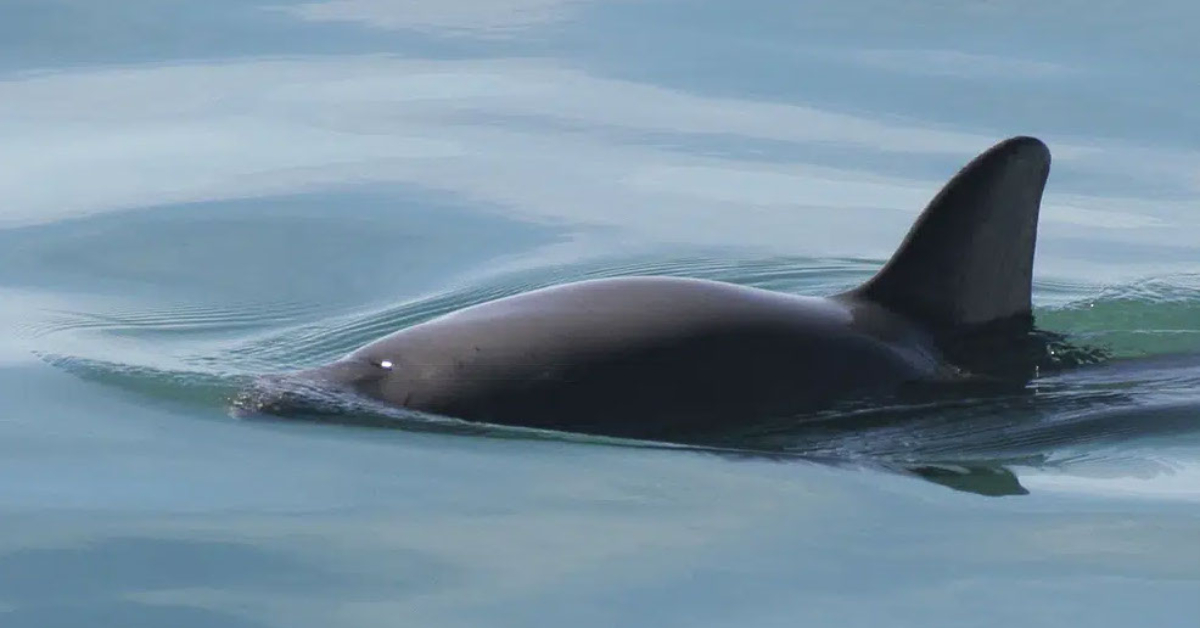
In Mexico’s Upper Gulf of California, an unexpected compromise is taking shape to protect the world’s most endangered marine mammal – the vaquita porpoise – without forsaking the needs of local fishing communities. Officials and fishermen have reached a tentative agreement to modify a controversial fishing ban. It’s a plan they hope will save the few remaining vaquitas while restoring trust and livelihoods in coastal villages – but many wonder if it will be enough to save the vaquita.
Mexican authorities and fishing community leaders have reached a new agreement. It aims to protect the critically endangered vaquita porpoise in the Upper Gulf of California. It also seeks to safeguard local livelihoods.
A New Conservation Strategy
Under the revised plan, the government will greatly shrink the off-limits fishing area in the Upper Gulf. A small “Zero Tolerance” no-fishing zone at the heart of the vaquita’s habitat will remain strictly protected. Authorities say it will be under intensified surveillance. Outside of this core refuge, however, thousands of square kilometers of waters will be reopened to legal fishing. Fishermen will once again be allowed to use traditional gillnets there. This marks a dramatic rollback of the broad gillnet ban that had been in place for the past several years.
Officials say the changes are guided by scientific data and input from local stakeholders. Mexican and international experts analyzed decades of vaquita sightings and acoustic detections. They found that the last surviving vaquitas are concentrated in a limited zone of the Upper Gulf near San Felipe. They explained that all available evidence shows that vaquitas remain mainly within the Zero Tolerance Area. A small adjacent zone to its northwest also has recent records of vaquitas. Officials contend this step will not put the vaquita at additional risk. By focusing protection on the vaquita’s known range, the new policy will be both effective and fair.
The previous blanket ban on gillnet fishing, though well-intentioned, proved difficult to enforce. Illegal fishing for totoaba continued largely unabated in the vaquita refuge. The totoaba is a lucrative fish whose swim bladder is prized on the black market. All this occurred despite patrols by the Mexican Navy and conservation groups. Frustration grew among law-abiding fishermen, who saw their livelihoods curtailed even as illegal netting persisted. The government’s new approach acknowledges this reality. It eliminates a no-gillnet zone covering more than 11,000 square kilometers. This change effectively wipes away some 20 years of fishing restrictions in those waters. In place of the one-size-fits-all ban, officials are designating a “free fishing zone” covering most of the Upper Gulf. It will be accompanied by a much smaller protected area where conservation efforts will be concentrated.
Fishing Communities Get a Say
Local fishing leaders, who have lobbied for rule changes since 2020, welcomed the compromise but pressed for additional support. At the Mexicali meeting, representatives of fishing cooperatives stressed a key point. Even with more ocean opening up, some of the remaining no-fishing zones cover the fishermen’s most productive areas. They urged the government to provide compensation for communities that will still be excluded from those critical fishing grounds. Fishermen also called on Mexico’s Economy Ministry to help restore access to the U.S. seafood market. American import bans on Upper Gulf shrimp and other products have been in place since 2018 due to concerns about the vaquita. Now that gillnets will be legal again across much of the region, they hope these embargoes might be eased. Regaining access to U.S. buyers would restore a key source of income.
Conservationists Sound Alarm
Conservationists, however, have voiced alarm at this regulatory rollback. Perhaps only ten vaquitas remain alive. Some environmental groups argue that relaxing gillnet restrictions in any part of the animal’s habitat is a dangerous gamble. One wildlife advocacy institute called the new measures a virtual surrender to illegal fishing interests. According to one analysis, the plan reduces the protected area by roughly 85%. This could expose vaquitas to fishing activity in places where they once had sanctuary. To skeptics, Mexico’s move signals a retreat from the “zero tolerance” enforcement stance. Scientists and advocates have long said that strict enforcement is needed to prevent the species’ extinction.
Government officials insist that vaquita protection will not weaken where it matters most. The Environment Ministry has emphasized that the core Zero Tolerance Zone will remain inviolate. Authorities plan to step up vigilance there with monthly interagency coordination meetings in nearby ports. The Navy and environmental inspectors will continue to patrol the refuge. Officials are also discussing more aggressive tactics, such as deploying concrete blocks on the seabed to snag illegal nets. In addition, the new agreement outlines efforts to develop vaquita-safe fishing gear and promote sustainably caught seafood. The idea is to help fishermen transition to methods that do not endanger the vaquita. It also aims to market their catch with a conservation “premium” that benefits the community.
It remains to be seen whether this delicate balancing act can truly save the vaquita. The tiny porpoise species has surprised scientists by clinging to survival against the odds. A few healthy animals – including mothers and calves – have still been sighted in recent years. That tenacity gives a glimmer of hope. Yet the vaquita’s margin for error is virtually zero. All sides agree on one thing. Without effective enforcement of the remaining gillnet ban in the vaquita’s critical zone, any compromise will be futile.
The coming months will test the Mexican government’s new strategy. It aims to harmonize vaquita conservation with the economic needs of the people of the Upper Gulf. This is a last-ditch effort to save one of the world’s rarest mammals from slipping away.
With information from Agencia de Noticias RTV, Excélsior, Animal Welfare Institute, Dossier Político, IUCN Cetacean Specialist Group