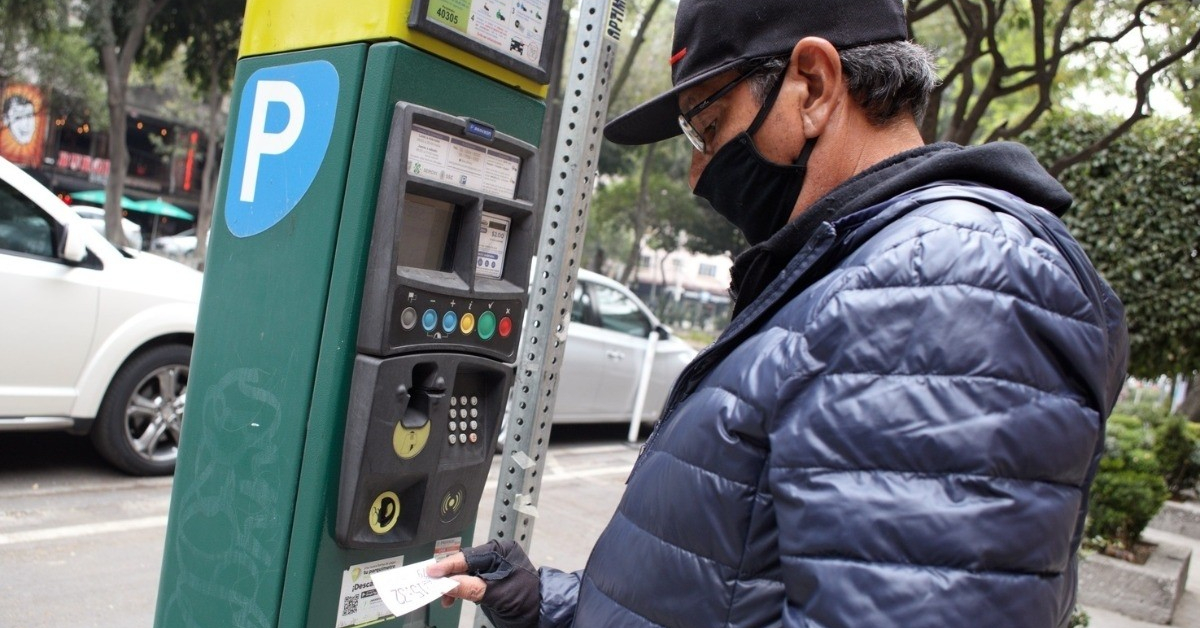
Monterrey parking meter rate rises to MXN 8 per hour after City Council approves a MXN 5.50 extraordinary fee under Article 65-Bis 1, boosting revenue from MXN 30 million to MXN 100 million and improving downtown mobility.
Monterrey’s City Council has approved a new tariff structure that will raise the hourly cost for parking meters citywide to MXN 8.00. The overhaul adds an extraordinary fee of MXN 5.50 to the existing basic fee of MXN 2.50 per hour, as outlined in Section IV of Article 65-Bis 1 of the Municipal Finance Law for the State of Nuevo León.
During the ordinary session, councilors voted in favor of authorizing the Municipal Treasury’s Parking Meters Directorate to roll out both rate adjustments and new zones. One council member abstained; the majority backed empowering the directorate to define and expand parking-meter areas. The modernization plan kicks off in July with upgrades to current devices, followed by the deployment of technologically advanced meters in gaps of the network starting July 30.
The MXN 5.50 extraordinary fee represents a 220 percent hike over the old MXN 2.50 rate. Officials say higher parking costs will encourage turnover in high-demand districts, unclog curbside spots, and make better use of public right-of-way. By directing drivers toward short-term parking, the city hopes to ease congestion in its downtown core and adjacent commercial corridors.
Revenue from parking meters currently runs near MXN 30 million annually. Under the new rate, city projections estimate collections could exceed MXN 100 million once all zones and devices are online. Those funds will feed back into transportation projects and further meter modernization, according to the Finance Department.
Residents and visitors should note that the uniform MXN 8 rate will apply to both preexisting zones and any new areas the Parking Meters Directorate designates. The city has not yet detailed which neighborhoods will see fresh installations, but officials stress they will target locations with parking pinch points or where turnover has lagged.
City planners frame the measure as part of a broader push to modernize urban services. In addition to digital meters, they plan to integrate mobile payment options and real-time vacancy indicators. Those tools aim to reduce time spent circling for spots and overuse of public space by long-term parkers.
Critics warn that steeper parking fees could strain small businesses if customers balk at higher costs. Proponents counter that more predictable parking patterns will help local shops by freeing curbside access for quick visits. The council’s resolution calls for periodic reviews of rate impacts and an opportunity for community feedback once the new system has been in place for six months.
As Monterrey braces for the changes, drivers can prepare by updating their parking apps and budgeting for the higher hourly rate. The City Council vote marks one of the most significant adjustments to urban parking policy in years, reflecting a national trend toward smarter, tech-driven solutions for mobility and public-space management.