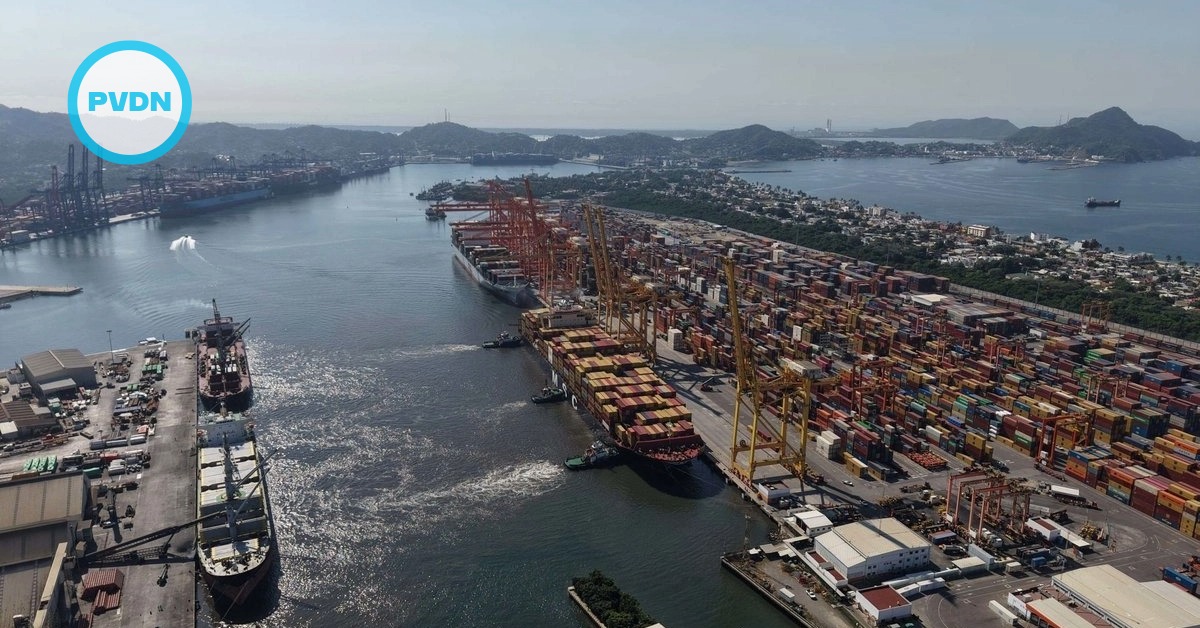
Environmental groups and local cooperatives are celebrating a rare win in Mexico’s Colima state. The federal environment ministry has put the brakes on a contentious plan to expand the Port of Manzanillo into Laguna de Cuyutlán’s wetlands. But this temporary halt is not the end of the story. Activists say it’s only the first step towards safeguarding the lagoon’s fragile ecosystem and the communities that depend on it. Now they are pressing for more permanent protections and broader changes that could reshape the region’s future.
Semarnat Halts Controversial Port Project
Mexico’s environment ministry, Semarnat, has effectively halted a major port expansion project in the coastal state of Colima. The project aimed to build a new port facility called Puerto Nuevo Manzanillo. It would sit on a section of Laguna de Cuyutlán, a coastal lagoon adjacent to the existing port. Semarnat’s decision, issued in mid-January 2026, denies environmental authorization for the plan due to its potential for serious ecological damage. Authorities found that the proposed expansion would irreversibly harm the lagoon’s ecosystem, including its mangrove forests and marine life. The agency concluded that even the developers’ revised plans failed to address critical impacts on water quality and habitat integrity.
Officials noted that, even with modifications, the expansion would require significant dredging and land alteration. Such work could disrupt the lagoon’s natural water flow. Altering the hydrodynamics of Laguna de Cuyutlán’s four interconnected basins, they warned, might cause permanent changes to sediment patterns and water quality. This threatened to degrade the mangroves that fringe the lagoon – crucial nurseries for fish and other wildlife. The port project also raised concerns about chemical pollution from increased shipping activity. There was a risk that contaminants would spread beyond the construction zone into other parts of the lagoon. Ultimately, officials determined that the expansion, as presented, posed too great a risk to approve.
Wetland of High Importance at Stake
Laguna de Cuyutlán is not just any body of water – it’s an internationally recognized wetland with extraordinary ecological value. Large portions of the lagoon are designated as a Ramsar site, signifying a wetland of global importance. The lagoon is ringed by mangrove swamps and salt flats, providing habitat for a rich diversity of species. Endangered reptiles, migratory birds, marine fish, and even crocodiles are part of this ecosystem’s tapestry. Local residents have long depended on the lagoon’s natural wealth. It sustains traditional livelihoods such as small-scale fishing and salt production. These practices have been part of Colima’s heritage for generations.
Before Semarnat’s intervention, the Port of Manzanillo expansion was touted as a strategic infrastructure investment for Mexico. The $3 billion plan envisioned new terminals and deeper navigation channels to greatly increase the port’s capacity by 2030. Manzanillo is already the country’s busiest port on the Pacific, a crucial gateway for trade. However, these ambitious development plans collided with environmental reality in Laguna de Cuyutlán. The area’s mangroves are protected by law, which prohibits their removal or damage. Scientists warned that filling in part of the lagoon would undermine its natural storm-buffering and carbon-sink functions. These ecological benefits are increasingly important as climate change accelerates.
Local Communities and NGOs Celebrate
The decision to halt the port expansion has been met with cheers from local communities and environmental organizations. A coalition of cooperatives and advocacy groups in Colima had fought against the project for years, warning of its consequences. Fisherfolk, salt producers, and even beekeepers who live around Laguna de Cuyutlán consider the lagoon their lifeblood. They, alongside environmental advocates, filed technical objections, held protests, and raised public awareness to defend the wetland. Now, these defenders are calling Semarnat’s rejection of the project a hard-earned victory for both people and nature.
In a joint statement, the coalition commended the authorities for listening to scientific findings and community voices. They argue that a massive new port in this location was never socially or ecologically viable. In their view, no technical fix could eliminate the harm it would cause. Members of local fishing cooperatives say the expansion would have destroyed spawning grounds. It would also have cut off their access to traditional fishing waters. Salt harvesters feared that changes in water circulation and pollution could ruin the region’s centuries-old salt flats. One local activist described the halt as “hitting pause on what would have been an ecological and cultural disaster.”
Calls for Permanent Protection
While they celebrate the immediate halt, activists are pressing for more than just a temporary reprieve. The coalition of NGOs and community groups is urging the permanent cancellation of the Puerto Nuevo-Manzanillo project. They do not want to leave the door open for a revised proposal down the line. As part of their demands, they want the two presidential decrees issued in 2023 revoked. Those measures had designated a portion of the lagoon for port use. Activists say removing those decrees would eliminate the legal framework that enabled this project. That step would help ensure the plan cannot be quietly revived.
Campaigners are also seizing this moment to push for stronger protection of the wetland itself. They propose expanding the lagoon’s international Ramsar status to cover the entire area of Laguna de Cuyutlán. In addition, they want the lagoon to be declared a protected natural area under Mexican law. Such a designation would make any large-scale industrial project there far more difficult in the future.
Equally important, local leaders emphasize that preserving the lagoon can go hand in hand with sustainable development for the region. They call for investment in community-driven conservation and eco-friendly livelihoods as an alternative to industrial expansion.
In their vision, the government would support and improve the traditional local economies that thrive alongside a healthy lagoon. This means bolstering artisanal salt production, fishing cooperatives, small-scale farming, beekeeping, and eco-tourism ventures. These nature-based livelihoods have sustained families for decades with minimal ecological footprint.
Community advocates argue that strengthening these sectors is the true path to progress in Manzanillo. By contrast, they say, a mega-project might boost commerce in the short term at the cost of irreparable environmental loss.
A collective statement by the groups put it bluntly: “Destroying the lagoon is destroying work, culture, identity, and the future.” The activists reject the notion that sacrificing an ecosystem is a fair price for development.
Balancing Development and Conservation
The battle over the Manzanillo port expansion highlights a broader challenge: balancing economic development with the imperative to protect the environment and local communities. Supporters of the expansion pointed to the jobs and trade growth that the new port facilities would bring. But the outcome in Colima suggests that even flagship infrastructure projects can be derailed if they clash with environmental limits and community rights. In this case, Mexico’s environmental authorities sided with scientific evidence and public input, setting a notable precedent. It shows that robust environmental impact assessments – coupled with vocal civil society engagement – can influence major decisions.
This episode also underscores the growing role of environmental justice in Mexico’s policymaking. The Laguna de Cuyutlán fight saw grassroots organizations leverage legal tools and public pressure to make their voices heard. It comes on the heels of Mexico’s adoption of the Escazú Agreement. That international treaty commits the country to transparent decision-making and to protecting environmental defenders. Activists involved in Manzanillo’s case invoked these principles. They insisted on access to information and denounced any intimidation of local residents during the review process. The halting of the port project is seen as a triumph of both environmental science and community advocacy.
As for what comes next, the port authority (ASIPONA) can go back to the drawing board. Semarnat has left open the possibility for the developers to submit a completely new environmental impact assessment. Any new study would have to address all the issues identified in the previous review. Whether the project can be redesigned in a truly sustainable way remains uncertain. In the meantime, the communities around Laguna de Cuyutlán intend to keep organizing. They aim to ensure that this fragile lagoon is not just spared from dredgers and concrete. They also want it actively restored and safeguarded for future generations.
With information from La Jornada, Animal Político, Red TDT, El Universal, El Informador