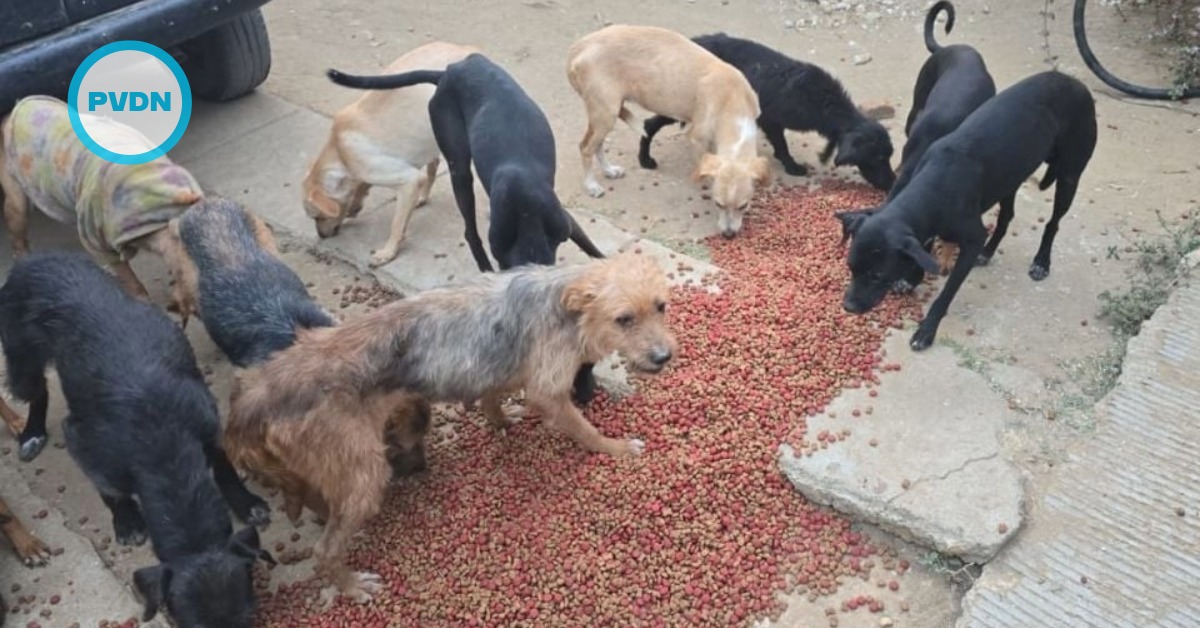
Prosecutors in Oaxaca rescued 65 dogs from a suspected clandestine slaughterhouse near the capital after activists raised the alarm.
The quiet streets of San Francisco Lachigoló, a town about 19 kilometers from Oaxaca City in the Valles Centrales region, became the center of a major animal-cruelty investigation this week. State prosecutors say an operation on Wednesday, December 10, led to the rescue of 65 dogs from a property that neighbors and activists had flagged as a suspected clandestine slaughterhouse.
According to the state prosecutor’s office, the intervention began after a public complaint from animal-rights activists and residents, who had been sharing images and testimonies about possible abuse at the site. A specialized team from the Animal Rescue Unit of the regional prosecutor’s office for the Valles Centrales went to the address, a corner house at Calle Zamora and Callejón Donají. Inside, they reported finding dozens of dogs confined in cramped, unhealthy conditions.
Prosecutors said all 65 dogs were taken into official custody. Veterinary staff are now evaluating their health to determine who needs urgent treatment and which animals might be well enough to move to shelters or foster homes in the coming days. Photos and videos shared by local groups show animals of various sizes and breeds, many of them appearing thin and stressed as they are carried from the building.
The prosecutors’ report also notes the discovery of bone fragments described as “presumably corresponding to vertebrate animals” inside the property. Forensic specialists and a veterinary expert have been assigned to determine the species of those remains and whether they are linked to criminal activity at the site. The result of that analysis will shape the next stage of the case, including whether additional charges are added.
In the same operation, officers detained one man on suspicion of animal cruelty. Authorities identify him as an adult male who rented the house and allegedly oversaw what happened inside. He has been placed at the disposal of the Ministerio Público, which will decide in the coming hours whether to seek formal charges and pre-trial detention. Local reports indicate he is originally from Mexico City, though the case file lists him only by initials.
Oaxaca dog slaughterhouse
While prosecutors describe the place in legal terms as a site of probable animal cruelty, neighbors and activists have used stronger language, calling it a “Oaxaca dog slaughterhouse” and expressing fear that some of the animals may have been killed for meat. Several residents say they had long suspected irregular activity at the property, citing frequent barking, bad smells and comings-and-goings at odd hours. Some also worry that a few of the rescued dogs may be stolen pets after noticing animals wearing clothes and harnesses more typical of house dogs than street animals.
For now, those suspicions remain part of the investigation, not fact. Prosecutors have opened a case file that specifically references cruelty against vertebrate animals and the presence of bone remains in the house. Investigators are working to identify potential victims, track how long the site was operating and determine whether any meat left the property for human consumption in nearby communities.
The case lands at a time when Oaxaca has formally toughened its animal-cruelty laws. In 2024, state lawmakers reformed the penal code to raise penalties for the abuse and killing of animals. Under the current framework, a person convicted of maltrato animal can face one to five years in prison and a fine, while intentionally killing an animal can bring three to eight years behind bars, with higher penalties in especially violent cases.
These legal changes followed years of pressure from animal-rights groups, who argued that earlier rules allowed many defendants to walk free with suspended sentences or fines. The state prosecutor’s office has since reported a steady flow of new cases. In one recent incident, just days before the Lachigoló rescue, prosecutors intervened in the Istmo de Tehuantepec region after a social-media complaint showed multiple species being kept without food; that operation ended with the rescue of dogs, ducks, pigs, chickens and cats from a single property.
For activists in Oaxaca, the Lachigoló case is both a shock and a confirmation of long-held fears. They argue that the scale of the rescue, the finding of bone remains and the fact that it happened in a small municipality so close to the capital show how vulnerable animals remain, even with stronger laws on the books. At the same time, they point to the rescue as proof that citizen complaints, videos and coordinated pressure can force authorities to react.
What happens from here will test both the justice system and the state’s promise to treat animal cruelty as a serious crime. Prosecutors must decide how to charge the detained man and whether to pursue aggravated penalties if evidence shows prolonged suffering or killing of animals at the house. Veterinarians and rescuers, meanwhile, face the immediate task of stabilizing dozens of traumatized dogs and trying to place them safely. For the people of San Francisco Lachigoló, the modest corner building that once blended into the town has become a symbol of what can be uncovered when a community refuses to look away.