Rio Sonora spill survivors are pushing the EU for pressure, health care and clean water, saying Mexico still has not fixed the damage.
Eleven years after a toxic mining spill turned stretches of the Sonora River orange, local river-basin committees are taking an unusual step: asking Europe to pay attention. They say the damage is not just environmental, but medical, with families reporting long-term illness and scarce care. Now they are targeting EU diplomats and investors tied to the company, hoping outside pressure will move Mexico’s cleanup plans from promises to action. What exactly are they asking for, and why now?
Why the EU is now part of the fight
For years, residents along the Sonora River basin have knocked on Mexico’s doors for answers. Many say those doors keep opening to meetings and closing on results. This month, the river-basin committees tried a different route.
Their push landed in mid-December, around a civil-society seminar linked to the EU–Mexico human-rights dialogue. Committee representatives used that setting to lay out a simple argument. If European money helps sustain a company accused of harming communities, Europe has a responsibility to pay attention when those communities ask for protection.
The committees’ message was not subtle. They urged European investors and business partners to stop acting as “accomplices” to an unresolved disaster. They also argued that outside pressure matters because the spill has stretched across three federal administrations, with the same core problems still on the table.
That is the bet behind their appeal to Europe. Not that the EU can clean a river in Sonora, but that it can raise the cost of ignoring the people who live beside it.
What still feels unresolved along the river
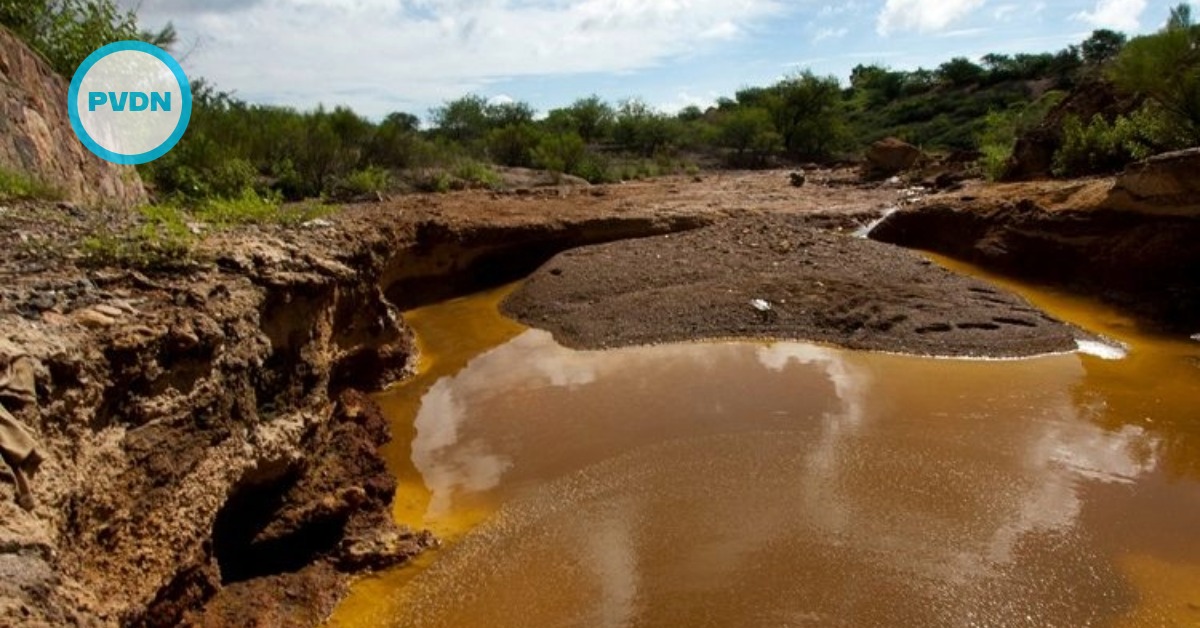
The disaster they keep pointing to began on August 6, 2014, at the Buenavista del Cobre copper mine in Cananea, Sonora. Roughly 40,000 cubic meters of acidic copper sulfate solution spilled into a stream that feeds the Bacanuchi and Sonora rivers. Communities downstream reported dead fish, discolored water, and the sudden loss of water they trusted for daily life.
Eight municipalities sit at the center of the story residents tell: Cananea, Arizpe, Banámichi, Huépac, San Felipe de Jesús, Aconchi, Baviácora, and Ures. The spill’s reach also became a wider concern because the river system connects to water infrastructure used by larger population centers.
The official response in the early years focused on cleanup and compensation, including a remediation trust created to fund actions like water treatment and support for affected families. That trust was later closed, a move residents have long disputed. The Supreme Court eventually addressed parts of the dispute, including the idea that affected communities have a right to participate in decisions that shape the response to contamination that touches their lives.
In recent years, the case has also returned to the center of federal environmental policy. A federal environmental diagnosis made public in 2023 concluded that contamination and risk factors remained along the basin and attributed the spill to failures in the mine’s containment system. That diagnosis gave residents something they have often lacked: an official document that matches what they say they still live with.
Yet for many families, paperwork has never been the main point. They want functioning systems on the ground. They want water they can drink without fear. They want a response that feels like a remedy, not a timeline that ends when a fund is closed.
Health fears and the demand for protections
The most urgent part of the committees’ message is health.
Residents have described persistent symptoms they link to exposure, and they say serious diagnoses have become more common in the years since the spill. They talk about cancers in adults and children, and about the strain of trying to prove harm while also trying to pay for care. They also say the human toll has extended beyond illness. The committees have pointed to the deaths of community defenders over the course of this long fight, including the lawyer and teacher Martha Patricia Velarde Ortega.
Their current demands focus on health protections that are specific, local, and permanent. They are pushing for specialized toxicology care, hospital capacity in the affected municipalities, and ongoing monitoring that does not require families to travel long distances for answers. They have also demanded laboratories capable of testing for exposure and a medical response designed for the reality of living in a mining corridor.
Mexico’s National Human Rights Commission added weight to these concerns in 2024, issuing a recommendation centered on the continuing harms tied to the rights to a healthy environment, safe water, and health. That recommendation matters because it frames the problem as more than a dispute with a company. It treats it as an ongoing failure of protection, with obligations that extend across agencies and levels of government.
What happens next
The committees say they have been left out of key conversations, including talks the federal government says it has held with the company. They want a seat at the table, not a recap afterward. They also want commitments that can be measured in clinics staffed, tests delivered, plants operating, and water running clean.
Their appeal to the EU is meant to widen the pressure points. European diplomats can raise the case in bilateral conversations. European institutions can ask sharper questions about corporate responsibility in supply chains. And European investors can decide whether “business as usual” is compatible with a disaster that communities say never ended.
None of that guarantees justice. But it changes the audience. And that is what the committees seem to be chasing right now: a bigger room, louder questions, and fewer places for the issue to be quietly filed away.