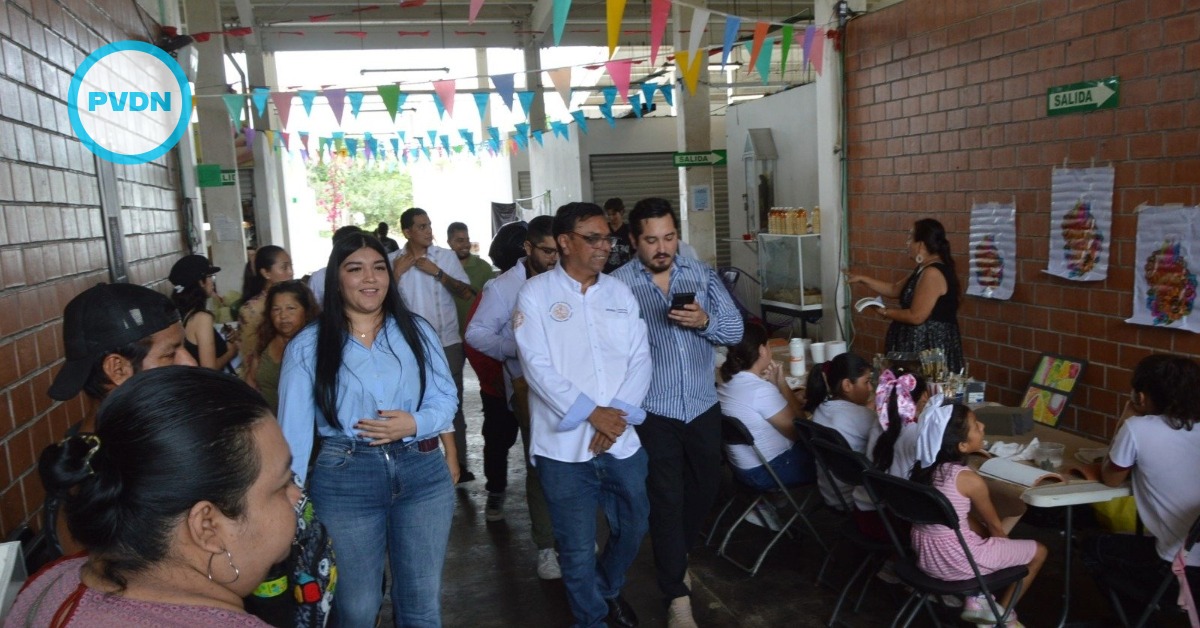
Playa del Carmen’s Bellavista neighborhood paused midweek to celebrate a small but mighty anchor: the Mundo de las Piñatas market turned five. The municipal Markets office hosted the anniversary with music, a ribbon of speeches, and the kind of crowd that makes you feel you’re in the right place at the right time. The market sits on 11 Sur in Bellavista and, five years in, it remains a working snapshot of the city’s daily life—fresh food, prepared meals, crafts, and conversations you can’t buy anywhere else.
The program leaned into tradition. Festivities opened with a salute to the seven directions, rolled into pre-Hispanic fusion sets, ranchera, and jazz, and then the essentials: cake and thanks. Founders and longtime tenants received recognition for keeping the lights on when times were thin. That mix—ceremony, culture, and a practical nod to the people paying the rent—felt right for a market built on grit.
Mundo de las Piñatas
The name isn’t just a catchy hook. According to the municipality, the market’s original purpose traced back to a community effort supporting young people living with HIV who crafted piñatas for income—one reason the space carries an outsized emotional weight in Bellavista. Today, the goal is broader but the spirit is the same: keep a neighborhood economy alive and rooted in dignity.
There’s also a plain-spoken economic story here. In late 2024, the city acknowledged that only 35 of 94 stalls were operating and pledged to get the market to full occupancy. This year saw more formal assignment of spaces and a renewed push to bring vendors back, a slow rebuild that tenants say matters more than any single ceremony. A vibrant daily market doesn’t fix everything, but it does keep pesos moving where they matter—close to home.
At the anniversary, the Markets director, Jesús Pérez Ayala, stood in for the economic development secretary and did what good local officials should: credit the people running the stalls. It wasn’t overblown. If you’ve walked Bellavista, you know small stand owners shoulder long hours, rising input costs, and fickle foot traffic. Public praise isn’t policy, but it signals the city sees them. In a time when large formats and delivery apps siphon attention, that recognition—and the municipal promise to stick with the market—counts.
The celebration also doubled as a soft call to action. Beyond the music and the cake, organizers nudged residents to come back on ordinary days, not only for birthdays and holidays. That’s the quiet power of these gatherings: they turn civic ritual into muscle memory. People show up for a party and leave with a plan to return for tortillas, produce, lunch, or a last-minute piñata before a family event. Those decisions, multiplied, are what make or break a neighborhood market.
Why a neighborhood market matters now
Playa del Carmen grows fast, sometimes too fast for comfort. Markets like this one can soften those edges. They keep circulation local, lift micro-businesses, and give young people visible, legal paths into work. They’re also cultural classrooms. At the anniversary, the performances, readings, and environmental talks weren’t filler; they were a reminder that public spaces can transmit values as easily as they sell tomatoes. That blend of commerce and culture is a competitive advantage most malls can’t fake.
There’s more work ahead. Getting to 100 percent occupancy remains the benchmark, and the city’s reactivation plan will be judged by weekday footfall, not by speeches. But the fifth birthday plants a flag. Mundo de las Piñatas isn’t a pop-up or a photo backdrop. It’s a neighborhood economy with a pulse. If you want to see what Playa del Carmen looks like when it takes care of its own, start on 11 Sur between 135 and 140, and come hungry.