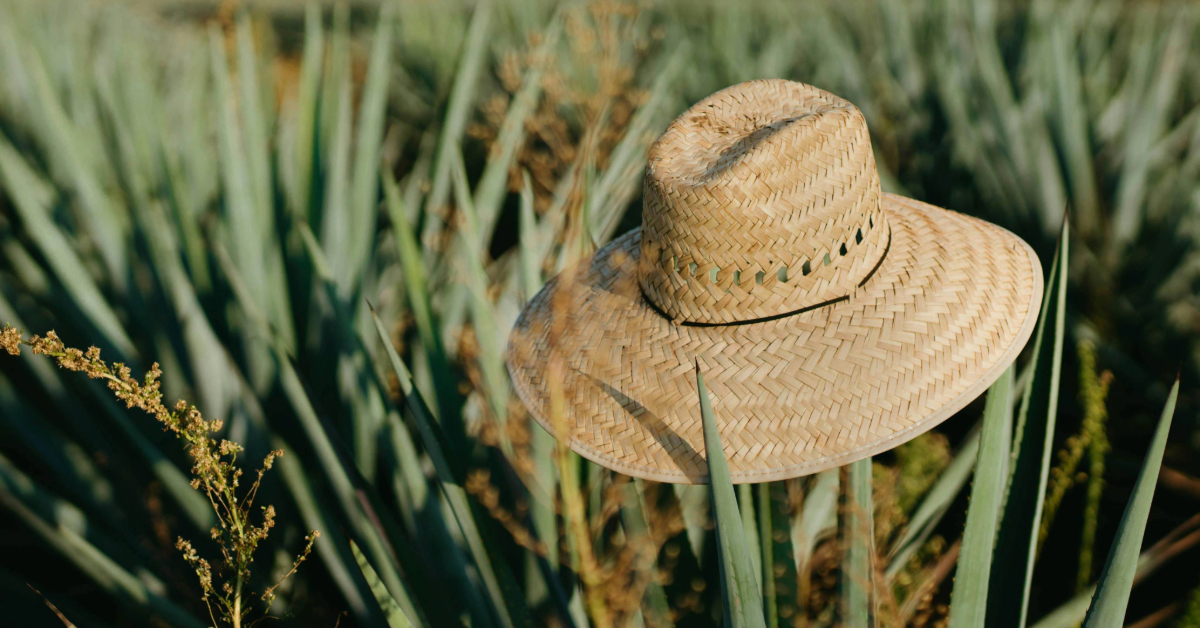
Mexico News – Every July 24, Mexico raises the caballito for more than a toast. The Chamber of Deputies made National Tequila Day official in 2024 to honor the spirit’s cultural, economic and social weight. The date also mirrors 2006, when UNESCO added the agave landscape and historic tequila facilities in Jalisco to the World Heritage list. Since then, tequila is not only a product. It is a bottled story of land, labor and identity.
National Tequila Day
The numbers show how far that story travels. In 1994, Mexico had 392 registered brands tied to authorized producers. Today there are more than 2,900, with 206 tequila houses inside the Denomination of Origin. In 2024, production reached 495.8 million liters and 400.3 million left the country. Eight of every ten liters are now poured abroad. The Tequila Regulatory Council (CRT) says the drink has shifted from party fuel to a mark of authenticity and sophistication. In Tokyo, Madrid or New York, guided tastings now treat tequila like whiskey or sake.
From 392 brands to a global boom
Growth changed how bars stock their shelves. Private clubs in New York, once showing seven labels, now list as many as 27 premium tequilas. That shift let Mexican brands compete on design, traceability and storytelling, not only price. It also pushed producers to document each step. The CRT’s digital system tracks every batch from field to bottle, a tool as important as the liquid itself when battling counterfeits.
Protecting authenticity in global markets
Tequila’s Denomination of Origin is recognized in 57 countries, limiting production to Jalisco and parts of Guanajuato, Michoacán, Nayarit and Tamaulipas. Protection matters. In Peru, Ecuador and some African markets, other spirits try to borrow the word “tequila.” Legal defense and traceability stop that. The goal is clear: guard identity while expanding reach.
Agave fields and the environment
The boom brought a thorny issue: overproduction of blue agave. Oversupply pushed prices down. Yet fields also spread across eroded land. Environmental specialist Francisco Núñez Escudero notes that planting agave can slow desertification, retain moisture and help recharge aquifers. In under ten years, cultivated hectares rose from 70,000 to more than 500,000. The ecological impact is complex, but not always negative.
Water, waste and the push for cleaner production
Tequila needs resources, though less water than many drinks. Making one liter of wine uses about 850 liters of water, vodka 33, beer 2.6, and tequila 8.5 liters. Agave grows on seasonal rain, not irrigation. Even so, the CRT aims to cut water use 15 percent by 2030 through treatment and recycling. Waste is another test. Each liter creates around 12 liters of vinasse and 1.5 kilograms of bagasse. Mishandled, both pollute. Some distilleries now turn vinasse into biogas and power. Since 2016, the sector pledged to reduce its carbon footprint 25 percent and raise clean energy use 12 percent. Solar panels, biomass and gas capture systems are no longer novelties. Producers also chase Environmentally Responsible Agave certification to ensure fields do not replace forests or protected zones.
Technology shapes flavor too. Artificial intelligence and automation help predict ideal harvest dates and fermentation curves. Quality control no longer relies only on taste and time. Data now stands beside tradition.
Tequila is more than a drink. It is a liquid identity, an economic engine and a living craft. Thirty years after its global leap, and on this July 24 National Tequila Day, the challenge is simple to state and hard to meet: keep growing without losing the soul in the bottle.
tequila, National Tequila Day, agave, CRT, UNESCO, Jalisco, Denomination of Origin, exports, premium tequila, blue agave, sustainability, water use, vinasse, bagasse, Chamber of Deputies