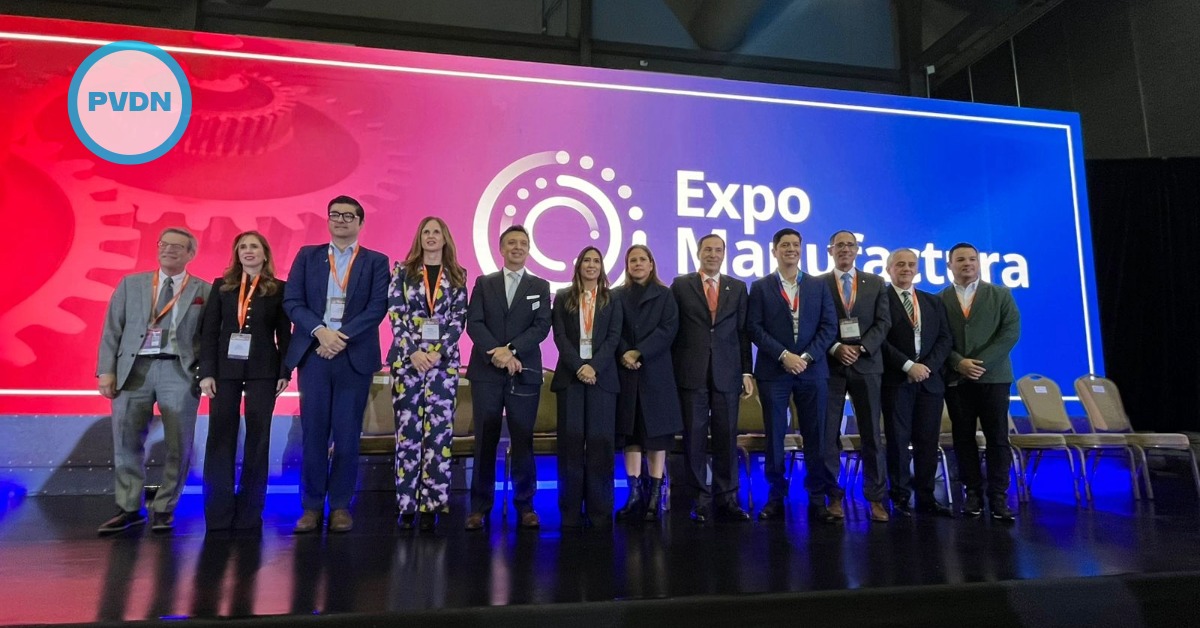
For years, ‘nearshoring’ was corporate jargon. In Monterrey, it’s now a full-blown reality reshaping the city’s skyline and economy. At a major manufacturing expo, executives are swapping handshakes over new factory deals—and those same suits are booking out the city’s hotels and restaurants. This isn’t just another trade show story. It’s a glimpse into how global strategy can ignite local booms, from industrial parks to hotel lobbies. The question is, can Monterrey keep up with its own success?
Over three days in early February, Monterrey’s Cintermex convention center hummed with the energy of global manufacturing. Expo Manufactura 2026 drew thousands of industry professionals from more than 20 countries, all converging on Mexico’s industrial capital at a pivotal moment. The buzzword “nearshoring”—the strategy of moving production closer to home—was on everyone’s lips. But more importantly, it was visible in the handshake deals and new partnerships forming on the exhibition floor. In a city built for industry, this was where talk was turning into tangible results.
Just a couple of years ago, nearshoring was mostly corporate theory and boardroom chatter. Now, on the ground in Monterrey, it feels like a full-blown reality. The discussions about relocating factories from Asia to Mexico have evolved into concrete action: blueprints for new plants, expansions of existing factories, and timelines for openings. At Expo Manufactura, leaders and engineers weren’t just swapping business cards – some were signing preliminary agreements and scouting sites for facilities. The event captured a turning point: nearshoring in northern Mexico has shifted from an abstract trend to real projects breaking ground.
Monterrey Turns Nearshoring Talk into Reality
Monterrey’s rise as a nearshoring hub did not happen by chance. The city and its surrounding state, Nuevo León, have spent years preparing for this moment. Located just a two-hour drive from the Texas border, Monterrey combines strategic geography with a well-developed industrial base and skilled workforce. These advantages put it at the forefront of Mexico’s bid to attract manufacturers seeking to shorten supply chains. In fact, Nuevo León now leads the nation in landing foreign investment tied to nearshoring. State officials report a record influx of new factories and expansion projects in the past few years, numbering in the hundreds. These investments are already fueling tens of thousands of jobs. What were once just optimistic pitches in conference rooms have become bulldozers clearing ground in suburban municipalities for the next assembly plant or warehouse.
At Expo Manufactura 2026, this broader trend was on full display. Monterrey’s infrastructure and business-friendly ecosystem made it the ideal backdrop for turning talk into action. Many attendees arrived with concrete plans: some were finalizing joint ventures, others were scheduling site visits to local industrial parks. The buzz extended beyond the convention center—deals discussed over morning panels often continued at dinner meetings across town. By the expo’s close, it was clear that Monterrey had solidified its role as ground zero for Mexico’s nearshoring boom. Conversations about opportunity were translating directly into real investments on the ground, from new production lines to expanded logistics centers across northern Mexico.
Hotels and Business Travel Surge Amid Nearshoring
The economic ripples of nearshoring can be felt far beyond the factory floor. Conventions, trade shows, and corporate meetings pumped an estimated MX$3 billion (around US$160 million) into Nuevo León’s economy in 2024—a 7% increase over the previous year. These aren’t just abstract figures; they translate to hotels, restaurants, and taxis staying busy. In the first half of 2025, Monterrey’s average hotel occupancy hovered around 63%, with clear spikes during weeks when big industrial events came to town. The city’s travel sector is effectively syncing with its manufacturing calendar, as each new expo or investor summit brings a fresh influx of visitors.
Even outside of formal conferences, a new kind of tourist has been appearing more frequently in Monterrey: the business explorer. Mexico’s central bank noted that cities like Monterrey have seen a surge in U.S. executives flying in to oversee investments or scout new opportunities stemming from nearshoring. These travelers often opt for familiar international hotel chains, willingly paying premium rates for comfort and security. It’s become common to hear English, Chinese, or Korean spoken in hotel lobbies, as foreign teams set up temporary base camps in the city while a factory is being built or a deal is negotiated.
Local hoteliers are moving quickly to ride this wave. Between 2025 and 2026, at least 13 new hotels are slated to open in the Monterrey metropolitan area, adding over 1,300 rooms to the market. Industry reports that this expansion will require roughly US$100 million in investment. Crucially, many of these new properties are being built close to the action—near major industrial parks and corridors. When word spread that a leading electric vehicle maker would set up a large plant on the outskirts of the city, developers rushed to plan new hotels in that area. The same is happening north of town in hubs like Escobedo, where multiple business-class hotels are rising alongside warehouses and factories.
For visiting executives and engineers, these hotels are more than just places to sleep—they’re strategic outposts. Take the newly opened Presidente InterContinental Monterrey. During Expo Manufactura, its lobby buzzed with multilingual conversations as delegates gathered for impromptu meetings over coffee or cocktails. With panoramic mountain views and top-tier amenities, the hotel offered a welcome respite after long days on the expo floor and also doubled as a networking hub. Moments like these underscore how nearshoring’s boom is a broad-based economic story. It’s not only about assembly lines and supply contracts—it’s also about full flights, busy conference halls, and high occupancy rates in city hotels. In Monterrey, industry and tourism are now two sides of the same success story.
With information from Excélsior, Forbes México, Mexico Business News, InPerfecto (AMHNL data)