A new round of reporting is putting Tramo 5 Sur back under scrutiny. The latest claims do not center only on environmental damage. They now focus on whether some parts of the elevated structure between Playa del Carmen and Tulum may have been built with weaknesses that could worsen over time. Officials say there is no current structural problem. Even so, the debate has widened, and the pressure for a public technical review is growing.
New claims focus on the supports beneath the track
Fresh reporting on Monday says engineers, workers, and environmental critics are pointing to possible structural issues in the elevated Tren Maya viaduct near Akumal. The concerns include allegations of poorly cast piles, water entering concrete during curing, internal voids, and irregular filling inside some steel elements used in the foundation. The report also says divers and observers have documented areas where metal remains exposed to water, raising new questions about corrosion and long-term durability.
The concern is not simply that a defect may exist in one spot. The broader argument is that repeated vibration, train loads, and constant contact with water in a fragile underground system could weaken support elements over time. Images tied to the latest claims also show shoring work and ultrasonic testing on some piles. That matters because it suggests the issue is no longer being framed only as an environmental complaint. It is being framed as a possible engineering and operational safety question.
Why Tramo 5 Sur has always drawn scrutiny
This part of the rail line has long been one of the most disputed sections of the entire project. Tramo 5 Sur runs from Playa del Carmen to Tulum across a karstic landscape filled with caves, cenotes, and underground rivers. An official federal audit describes the section as 67.7 kilometers long, with 42.1 kilometers built as an elevated viaduct. The elevated design was presented by the government as a way to reduce damage to the area’s sensitive ground conditions.
That geography is central to the current debate. In karst terrain, the challenge is not only what stands above ground. It is what lies below. If loads are not transferred correctly, or if water affects the integrity of concrete and steel, small defects can become more serious over time. Critics argue that this is exactly why the section required tighter oversight from the start. Supporters of the project have long answered that the line was designed specifically for these conditions and that its structural safety was already addressed during construction.
What the government has said so far
The latest allegations follow reports and videos circulated last week showing apparent shoring work on parts of the viaduct. In response, President Claudia Sheinbaum said there was no current problem with the line, but she also said she had asked the head of the Secretariat of Infrastructure, Communications, and Transport to review the complaint with the military, which built key parts of the project. That left the government taking two positions at once: publicly rejecting the idea of an active failure while also acknowledging the need for a technical review.
So far, the public dispute remains unresolved. The new reporting says authorities have not yet issued a detailed engineering response that addresses each of the latest technical claims point by point. That gap matters. In a case like this, the most important document is not a political defense or a viral video. It is a clear, public engineering assessment that explains what was found, what was tested, whether any supports were repaired, and whether operations need any limits during that work.
Why this matters to readers in Riviera Maya
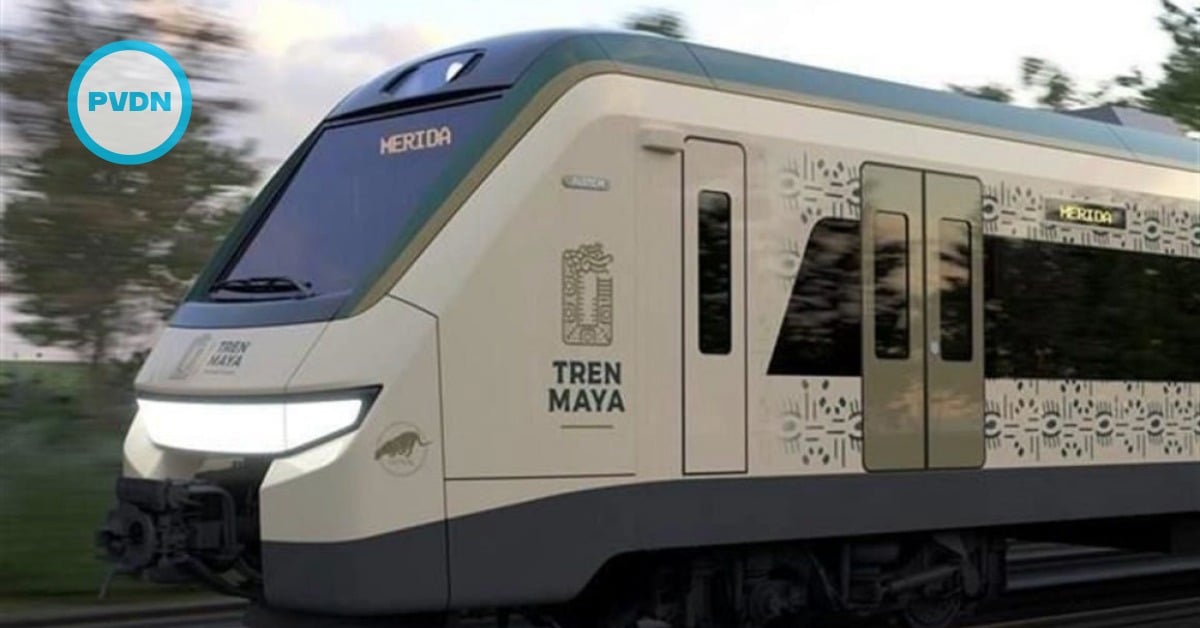
For many readers, this is about more than one construction dispute. Tren Maya is one of Mexico’s highest-profile infrastructure projects and a major transport link for the southeast. The stretch between Playa del Carmen and Tulum runs through one of the country’s most visited and fastest-changing tourism corridors. If questions about structural integrity remain unanswered, they can affect public confidence, future maintenance costs, and the long-term credibility of official assurances tied to the project.
The next step is simple to watch. Either the government releases a detailed technical report that answers the claims, or the uncertainty deepens. Until then, the story remains in a sensitive middle ground. The allegations are more specific than before and include new technical language and images. But the most important questions still need official, testable answers. In a project built over a porous landscape and under intense public scrutiny, that standard is not optional. It is the minimum readers should expect.