Puerto Vallarta, Jalisco, June 25, 2026 – A new legal-aid campaign is giving LGBTQ+ people in Puerto Vallarta and Bahía de Banderas a clearer first step after discrimination, violence, police abuse, or other rights violations.
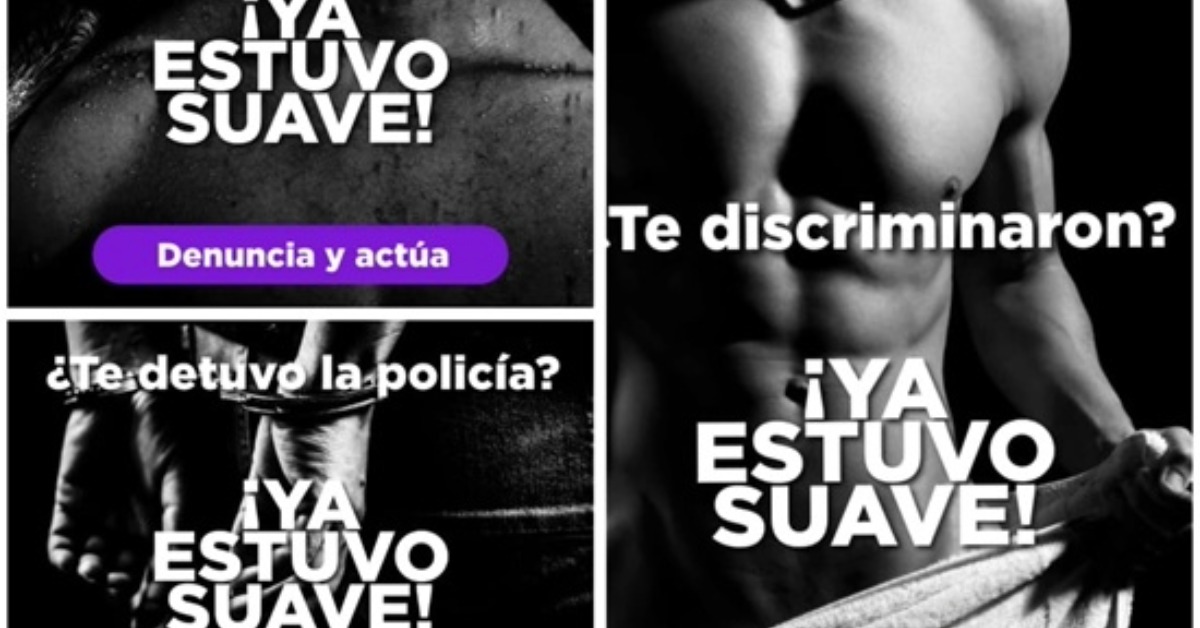
The campaign, called “Ya Estuvo Suave,” was launched by Movimiento por la Igualdad en México and Grindr for Equality. It connects users to legal guidance, community support, and online consultations through MOVii’s campaign page.
The campaign is being promoted inside Grindr, where users can tap through to resources and request help. It focuses on cases involving discrimination, hate-driven violence, abuse of authority, violence against trans women, and other alleged violations.
A legal door after an incident
Puerto Vallarta has one of Mexico’s most visible LGBTQ+ communities, but visibility does not always translate into easy access to justice.
MOVii’s pitch is simple. After something happens, many people do not know whether to call the police, file a human rights complaint, seek a lawyer, document evidence, or stay quiet because they fear being ignored.
Víctor Espíndola, MOVii’s president, put it plainly: People often know “something unfair happened,” but they do not know where to start. The campaign is meant to close that gap.
How the campaign works
Each case will be reviewed to identify the best legal route. That could mean a criminal complaint, an administrative process, a civil claim, or a human rights complaint, depending on what happened and who was involved.
An incident at a bar, workplace, hotel, public office, or during a police stop may require different steps. So can cases that happen in Puerto Vallarta, in Jalisco, or across the state line in Bahía de Banderas, Nayarit.
The campaign also aims to refer people to public human rights agencies, prosecutors’ offices, victim-support centers, and other agencies that can take formal action.
Vallarta already had pressure building
The launch comes after months of public pressure around LGBTQ+ safety and institutional response in Puerto Vallarta.
In May, PVDN reported that two Puerto Vallarta officers were linked to court proceedings in an alleged abuse case involving a gay couple in the Romantic Zone. That case followed a separate human rights finding tied to the same broader complaint. That reporting remains part of PVDN’s continuing LGBTQ+ safety coverage.
Local advocacy groups have also pushed authorities to improve how cases involving LGBTQ+ victims are handled. MOVii’s own recent work includes calls from Red Diversidad Vallarta for stronger use of protocols in cases involving violence against LGBTQ+ people.
Where official complaints can go
The campaign does not replace official reporting. It helps people understand which door may fit their case.
CONAPRED, Mexico’s anti-discrimination council, can offer legal orientation, refer cases to the proper authority, mediate when possible, seek precautionary measures in serious and urgent cases, and process complaints involving discriminatory conduct by federal public servants or private parties.
In Jalisco, the Comisión Estatal de Derechos Humanos Jalisco receives complaints online, by phone, WhatsApp, email, and in person. Its own LGBT protocol says the agency’s process applies to people who need intervention for possible rights violations, affected family members, civil organizations, rights defenders, and public servants accused of violations.
CONAPRED’s national data on discrimination shows why legal orientation still has value. More than 3.3 million adults in Mexico reported a non-normative sexual orientation or gender identity in Enadis 2022, while 72.2% of people age 15 and older said Mexico discriminates, rejects, or treats people differently because of sexual orientation.
A first step before silence wins
The phrase “Ya estuvo suave” roughly means “enough already.” In this campaign, it works less as a slogan and more as a prompt. Document what happened, ask which route applies, and do not assume an abusive act has no remedy.
PVDN will continue to track LGBTQ+ rights, safety, and public policy updates through its Puerto Vallarta LGBTQ+ coverage hub, including cases in which local institutions are asked to turn public commitments into action.