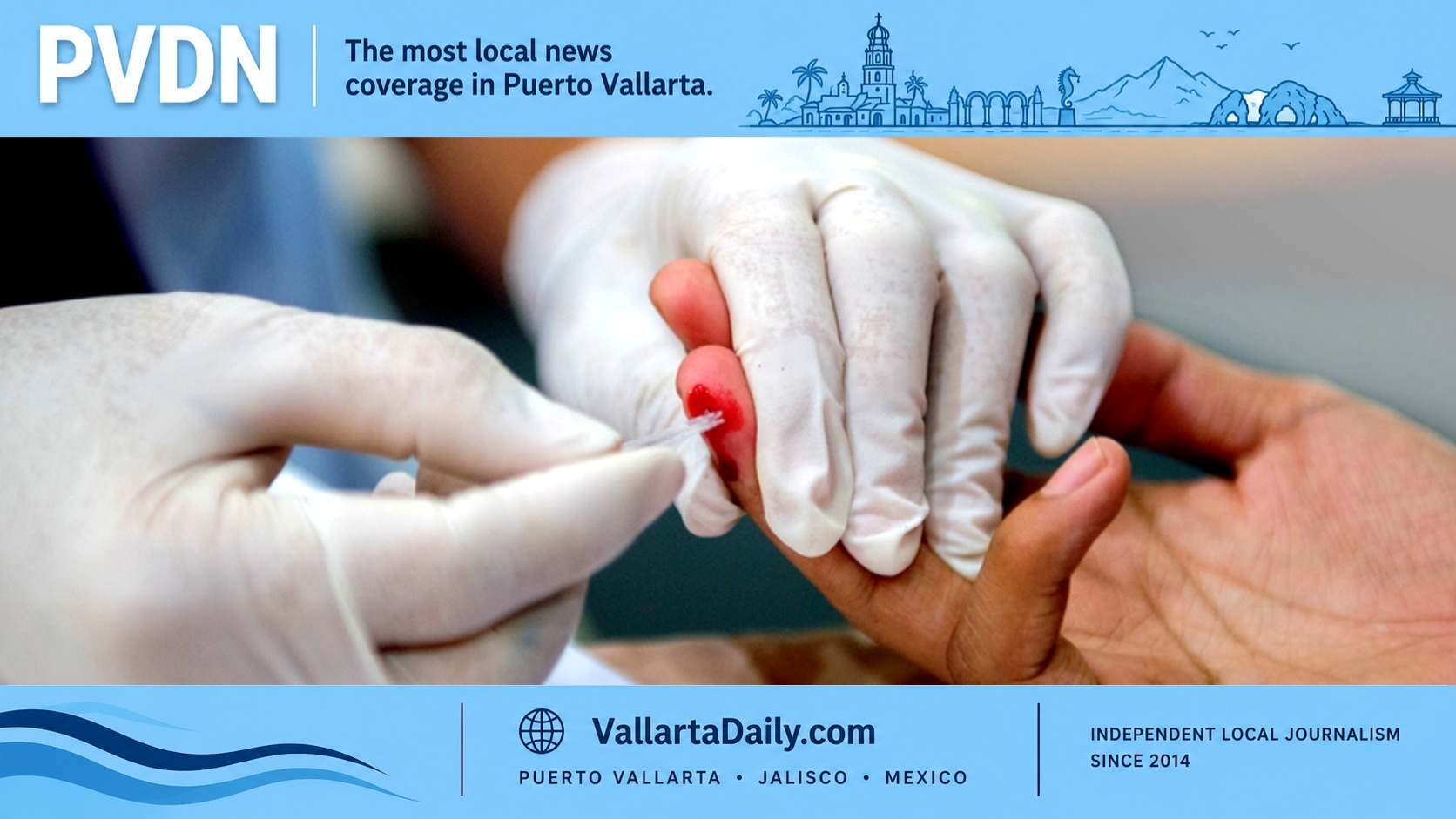
Puerto Vallarta, Jalisco, Sept. 9, 2026 — Puerto Vallarta administered 3,369 rapid HIV, syphilis and hepatitis screenings from January through July, according to results released by COMUSIDA this week.
Our review of the agency’s breakdown found 1,105 HIV tests, 1,112 syphilis tests, 1,112 hepatitis C tests and 40 hepatitis B tests.
The total counts individual screening procedures, not distinct patients. It measures testing activity and should not be read as the number of infections or people tested.
Free testing remains available in Barrio Santa María
Residents can receive free and confidential rapid tests at COMUSIDA’s office at Paseo de Las Palmas 105 in the Barrio Santa María neighborhood.
The agency lists 322-293-3334 and [email protected] for information. Testing is offered without discrimination and with confidentiality protections, according to the municipal report.
Enrique de Jesús Ortega Martínez, head of COMUSIDA, urged residents to learn their status because “early detection helps provide a better quality of life.”
Jalisco’s official CAPASITS directory lists another public option at Aldama 1013 in Villas del Real, near Puerto Vallarta Regional Hospital. The center offers HIV and STI prevention, testing, and specialized care.
The CAPASITS directory lists weekday service from 7 a.m. to 8:30 p.m. and the telephone number 322-299-4715.
Puerto Vallarta also opened a Diversity Module inside UNIRSE in January. Its services include HIV and STI screening, prevention guidance, and information about pre-exposure prophylaxis, known as PrEP.
Testing moved beyond the municipal office
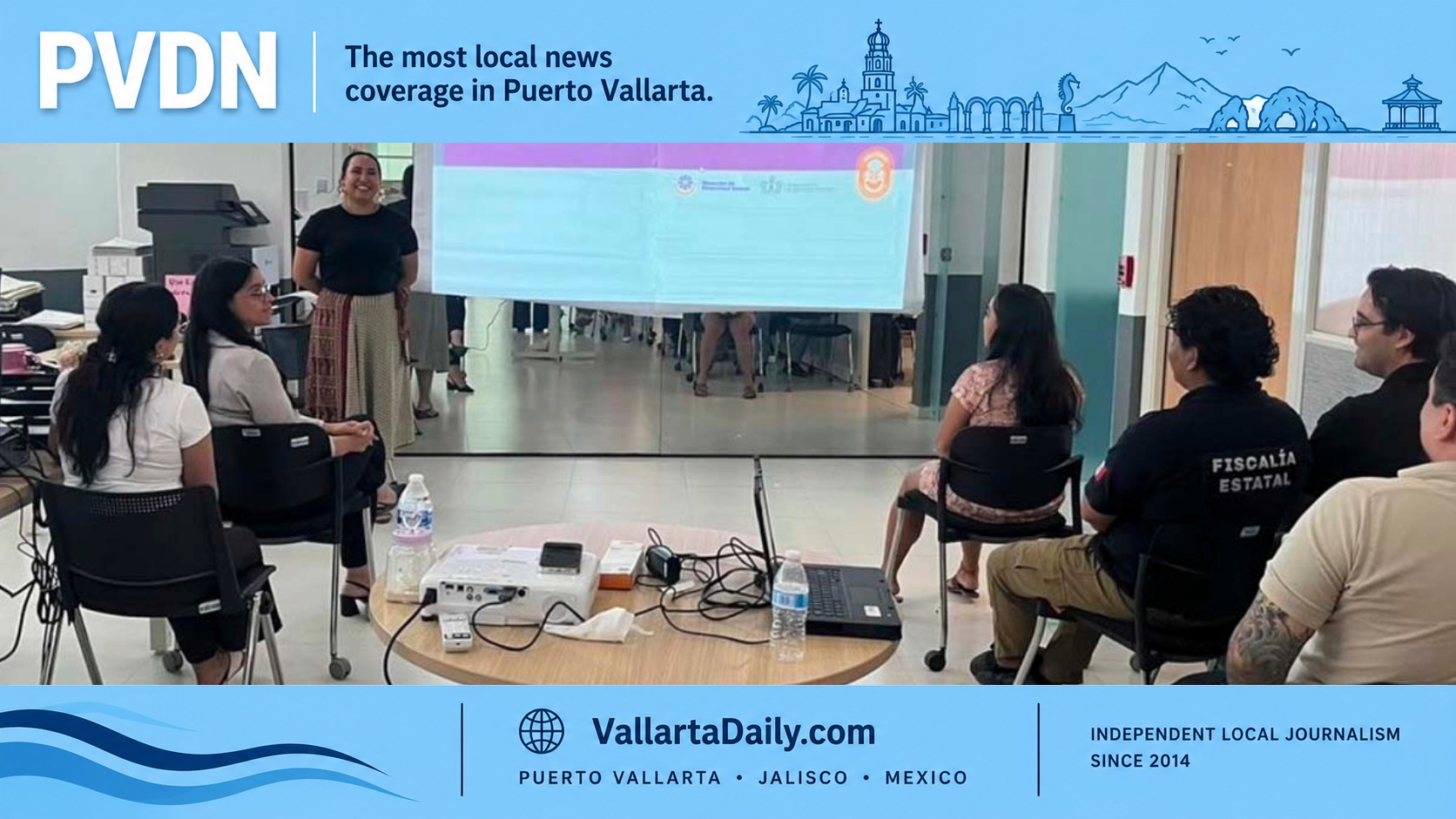
COMUSIDA reported participating in 150 information and prevention modules during the seven months. Staff also took part in 32 health fairs, including activities at schools.
The modules combined screening with sexual-health information and condom distribution, according to the agency.
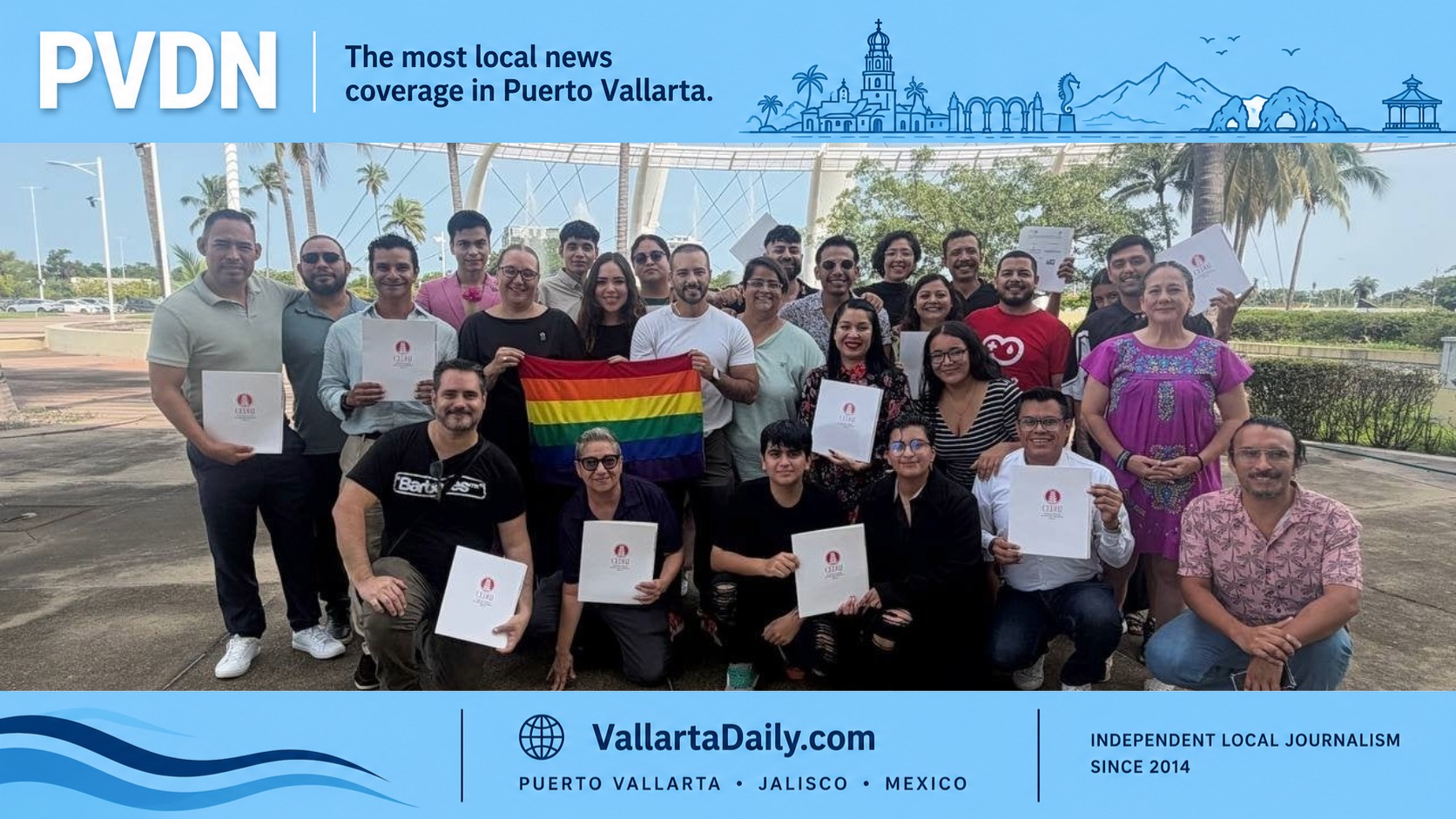
A July testing campaign at Parque Lázaro Cárdenas offered rapid screening for HIV, syphilis, and hepatitis B and C. COMUSIDA organized the campaign with Jalisco’s Región Sanitaria VIII during activities marking World Hepatitis Day.
A participant identified as Max Alberto told reporters that regular testing and vaccination were part of protecting personal and community health.
“We have to take care of ourselves and one another,” he said.
Stigma remains a barrier to testing
The service numbers come after COMUSIDA staff described continuing reluctance among some residents to request a test.
In a July interview about local outreach, COMUSIDA assistant Elizabeth Palomera said staff regularly set up inside Puerto Vallarta City Hall. Teams also visit schools, rehabilitation centers and other community locations.
“There is still a lot of stigma,” Palomera said of HIV testing.
Some people interpret an invitation to test as a suggestion that they appear ill, she said. Staff often must approach residents and explain that screening is a routine health measure.
The expanded network gives residents several ways to avoid a specialized clinic waiting room. PVDN has also reported on Jalisco’s mail-delivered HIV self-testing program, which was designed to reduce privacy, scheduling and transportation barriers.
Rapid screening does not provide a final diagnosis
The COMUSIDA report did not provide the number of reactive results produced by the 3,369 screenings.
Mexico’s Health Ministry says a reactive rapid HIV result must be followed by a confirmatory test before an HIV diagnosis is established. Rapid tests can produce results within minutes, while laboratory confirmation takes longer.
The ministry’s current national guidance states that HIV testing is free and confidential through public health institutions. Access does not depend on enrollment in a particular social security system.