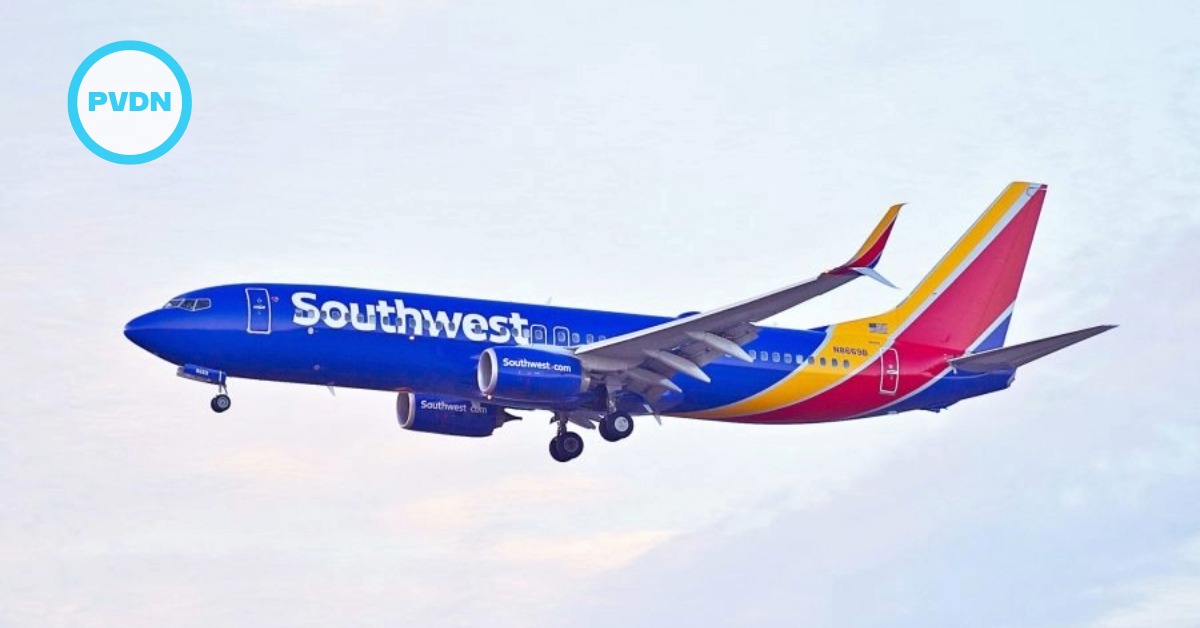
Southwest is set to launch nonstop Puerto Vallarta service from San Diego and St. Louis in March 2026, pending final schedules.
Puerto Vallarta is expected to pick up two new nonstop links to the United States in March 2026, with service planned from San Diego and St. Louis on Southwest. State tourism officials have framed the move as part of a bigger push to widen Puerto Vallarta’s reach in the U.S. market and make the destination easier to sell as a quick getaway, not just a once-a-year vacation.
The first route is tied to San Diego. That matters because San Diego isn’t just another city on a map. It’s a major Southern California travel hub that draws from a huge population base, including people who can get to the airport without crossing Los Angeles traffic. For Puerto Vallarta, that can translate into more short-notice trips and more repeat visits, especially during shoulder season when hotels and restaurants want steady demand.
The St. Louis route points in a different direction. It’s a Midwest play, and it’s the kind of connection that can reshape who shows up, and when. Midwest travelers often plan longer stays, fly as families, and travel around school calendars. If this route holds, Puerto Vallarta could see more visitors arriving from a region that has traditionally required at least one connection for many travelers.
Schedules can change between an early announcement and the day the first plane lands. Still, early published filings and airport notices point to a March 5, 2026, start for San Diego, and a March 7, 2026, start for St. Louis, with St. Louis expected to begin with a lighter cadence than San Diego.
Why San Diego and St. Louis matter for Vallarta residents
If you live in Puerto Vallarta full-time or you split your year between Mexico and the U.S., flight routes aren’t an abstract tourism stat. They shape your real life. They determine how painful it is to do a family visit, how expensive it is to fly in a friend for a birthday week, and how likely it is that relatives will actually follow through on that “we should come see you” promise.
San Diego offers practical advantages for people with ties to the U.S. West Coast. It can act as a clean, efficient gateway, with easier connections to cities across the western U.S. and fewer bottlenecks than bigger airports. For expats and long-stay residents, it also creates another option when fares spike on other routes or when weather and delays ripple across airline networks.
St. Louis is a different kind of win. It’s not about serving a nearby mega-region. It’s about opening a door to the middle of the country in a more direct way. That matters for people whose families are spread across the Midwest, or for travelers who usually treat Mexico as a once-in-a-while trip because the journey is too much of a hassle. When a destination becomes easier to reach, people come more often. They also come for shorter trips, which can smooth out demand in months that usually feel slower.
From a local business point of view, more nonstop routes tend to broaden the visitor mix. That can help stabilize tourism without relying too heavily on a single market. It can also shift spending patterns. Weekend travelers behave differently than long-stay visitors. Some spend heavily on restaurants and tours. Others focus on beaches, rentals, and a slower pace. Either way, additional seats into the destination usually ripple outward, from airport transfers to restaurants to independent tour operators.
What we know about the flights and what we don’t
The core details are straightforward. Southwest is expected to operate the routes with Boeing 737-700 aircraft, which typically seat around 137 passengers in Southwest’s configuration. That’s not a jumbo influx, but it’s a meaningful amount of capacity when you stack flights over weeks and months.
What’s less clear, at least this far out, is exactly how these routes will behave over time. Airlines often launch new international flights with a conservative schedule, then adjust based on demand. A route can start as seasonal and later become a bigger part of the calendar. Or it can stay as a limited offering aimed at peak travel periods like spring break.
Early schedule information suggests the San Diego route could operate several days each week, while St. Louis may begin as a once-weekly service. That pattern would make sense. San Diego has a stronger built-in leisure market for quick Mexico trips, while St. Louis may be treated as a targeted seasonal connection, at least at first.
Another thing to watch is how these new flights affect pricing on existing routes. Sometimes a new nonstop option lowers fares across the board because it adds competition and capacity. Other times, prices stay high because the flights sell quickly, especially during holiday weeks and school breaks. For Puerto Vallarta residents who travel back and forth, the practical benefit may come less from cheaper tickets and more from having one more viable way home when plans change.
There’s also a broader airport story in the background. Puerto Vallarta’s airport has been growing fast, and the region’s tourism industry has been trying to keep pace with infrastructure needs. More nonstop routes are great, but they also put pressure on arrivals, ground transportation, and the overall passenger experience. If the destination wants these connections to last, the arrival experience needs to feel easy, not chaotic.
What this could mean for 2026 travel planning
If you’re already thinking about 2026, these routes are worth keeping on your radar. For expats and seasonal residents, they could become the new “default” option for certain trips, especially if your circle includes people in Southern California or the Midwest.
If you rent out a place seasonally, a new nonstop route can change booking behavior. Guests who used to avoid complicated itineraries may be more willing to travel, especially for shorter stays. If you run a business tied to tourism, new routes can bring fresh demand, but they can also shift the rhythm of your busy and slow periods.
The simplest takeaway is this. Puerto Vallarta is still adding ways to get here without a connection. That’s a quiet kind of growth, but it’s the kind you feel on the ground, in who arrives, how often they come back, and how connected the city feels to the outside world.