San Miguel de Allende is adding three new civic days off to its local calendar, but the real impact will depend on what closes—and who follows the dates. The city’s goal is to bring more people to bicentennial-related ceremonies, yet local holidays don’t automatically bring the entire town together. Will municipal offices shut? Do schools adjust? What about private employers and everyday errands? Here’s how the new dates fit into Mexico’s holiday system, and what to watch for as the rules are finalized.
A local holiday can change routines without closing everything
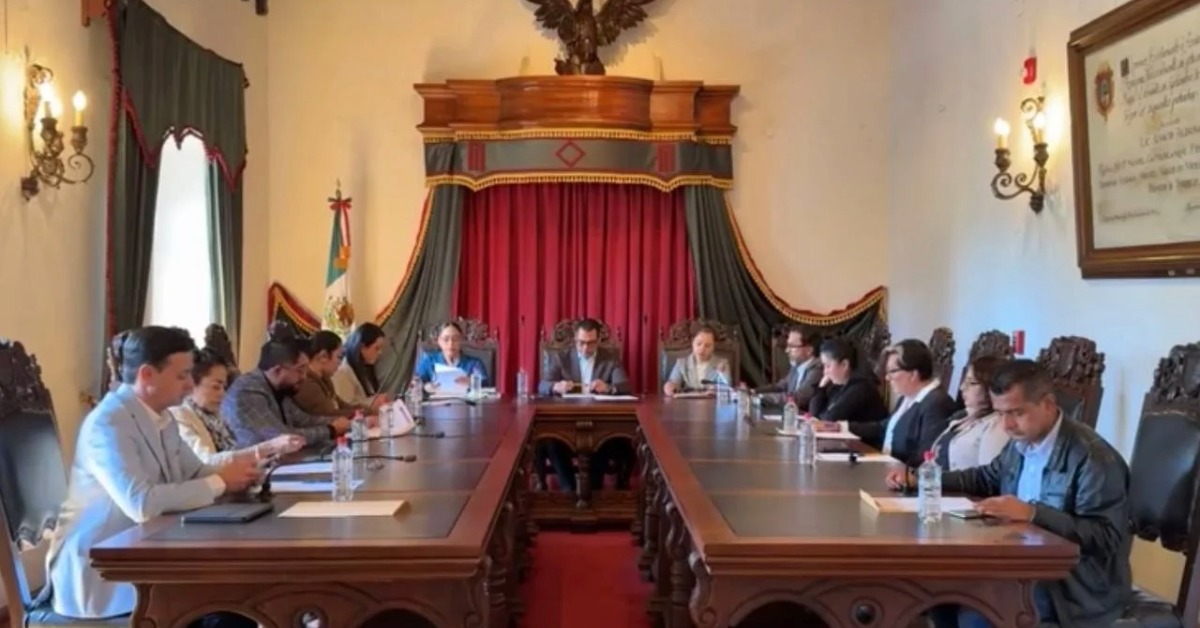
San Miguel de Allende is adding three local civic holidays to its municipal calendar. The change may first appear in paperwork, school pickups, and service hours. City council approved the new “días de asueto” on February 25, 2026. The stated goal is simple: boost turnout for bicentennial ceremonies and cultural activities. These dates are not on Mexico’s federal holiday list, so the effect can vary by workplace. Municipal offices are the first place residents will notice it. The city must update internal labor rules to make those days non-working for public staff. Schools could follow later, but only if education authorities align calendars. For expats who live in town, that distinction is the whole story. A “local” holiday can feel official, yet still land unevenly across private employers and services. The council vote sets the dates. The next steps will decide how widely they are observed. Implementation will take time.
The three dates and the history behind them
The three days are tied to local history, not tourism season. January 21 marks the birth of Ignacio Allende, born in San Miguel el Grande in 1769. June 22 marks the birth of Ignacio Ramírez “El Nigromante”, born in 1818 in the same city. September 17 commemorates the installation of the first independent town council, as the municipality describes it. In the city’s framing, the date points to early self-government at a pivotal moment. The proposal came from council member Diana Lino Baena, and it passed unanimously. Officials presented the move as a practical fix rather than a symbolic gesture. Many commemorations happen midweek and during business hours. By creating official municipal days off, the city hopes more residents can attend civic events tied to the bicentennial year. The dates also help organize a crowded calendar. Guanajuato’s state congress plans a solemn bicentennial session in San Miguel on March 11, 2026.
How to plan around municipal closures
If you live in San Miguel, the practical question is whether your routine will change. Once municipal labor rules are amended, expect city offices to close on those dates. Plan permit or payment visits around them. If you work with city departments, confirm deadlines early. If you have time-sensitive paperwork, schedule it earlier in the week. If you run a business, watch for shifts in foot traffic near the historic center during civic events. Visitors should also expect temporary street controls around major ceremonies, especially near the Jardín Principal. For families, the key unknown is the school system. The city said the agreement will be sent to state and federal education authorities. That step is needed before any school calendar adjustment. Until official guidance appears, assume classes may continue. Remote workers should treat the days as possible “soft disruptions,” with lighter staffing at government counters and busier downtown streets. Plan errands accordingly.
What to watch for as 2026 approaches
The council’s decision is a calendar change, but it is also a signal for 2026. San Miguel is leaning into civic identity during a year tied to its 1826 recognition as a city. That year also marked the formal adoption of the name San Miguel de Allende. This focus can translate into more public events and more temporary logistics. It can also create more chances to participate beyond spectator tourism. Over the next few weeks, watch for two confirmations. One is the publication of updated municipal labor rules. The other is any notice about school observance. Those announcements will tell residents what “day off” means in practice. For expats, this is a useful takeaway. The dates are fixed, but the impact depends on implementation. Put them on your calendar now. Then look for official service-hour updates as each one approaches. In a town that runs on events, predictability becomes its own public service.