A new owner in San Miguel de Allende says her Punta del Cielo home has humidity, structural damage and health impacts, with no effective response yet.
The move to San Miguel de Allende was supposed to be a fresh start. After years of planning, a woman who had relocated to the city closed on a brand-new Punta del Cielo home, convinced she was investing in safety, comfort and long-term security for herself and her family.
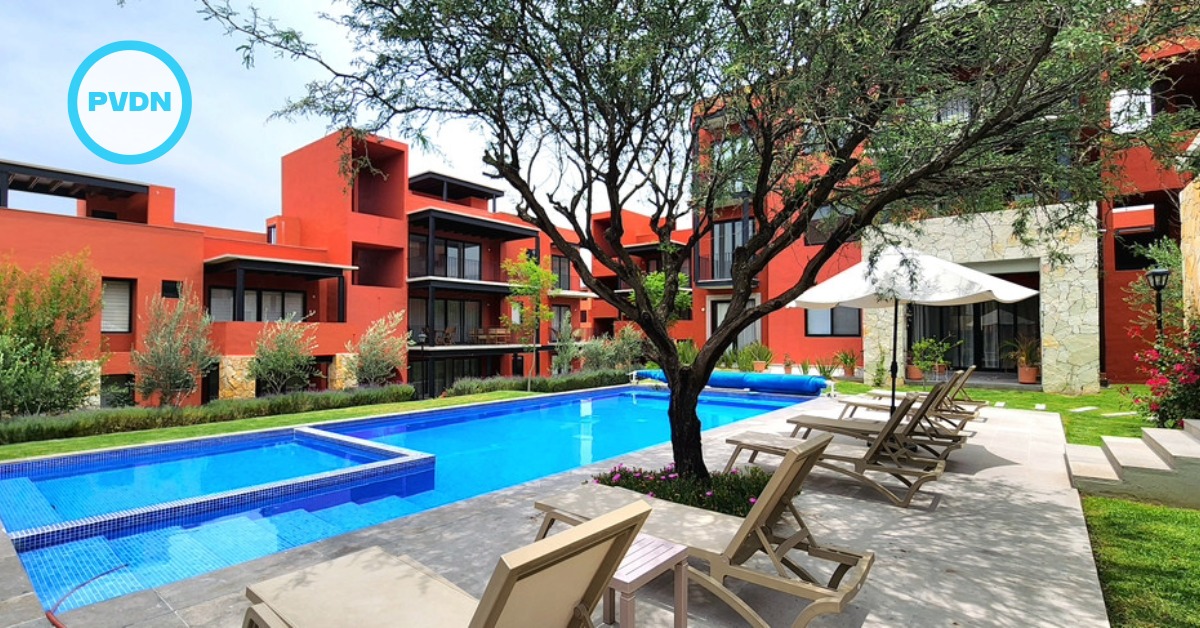
The development she chose is marketed as a high-end, gated community, just minutes from the historic center and surrounded by pools, jacuzzis and landscaped common areas. Promotional materials highlight luxury finishes, contemporary-colonial architecture and a tranquil, secure environment aimed at retirees, investors and weekend residents. Against that backdrop, buying a newly built house there seemed like a safe bet.
Once she moved in, that sense of safety did not last. According to her account, humidity began to appear inside the house, with damp patches and moisture that did not respond to basic cleaning or ventilation. Over time, she says, visible damage emerged in parts of the structure. What she expected to be a low-maintenance new build now requires constant vigilance to keep water and deterioration at bay.
The physical damage has not been her only concern. She reports ongoing health problems that she associates with living in a permanently damp environment, describing a daily life marked by worry and discomfort. Rooms that once represented stability and pride now feel, in her words, like spaces she has to endure rather than enjoy.
From dream move to damp reality
The buyer says she has followed the formal channels that Mexico’s own consumer rules recommend. She recounts repeatedly approaching the developer, requesting inspections and repairs rather than refunds, arguing that a new property should not show these defects so early in its life.
According to her, those contacts have not produced a lasting fix. She describes superficial work that does not address the underlying causes of the humidity and structural damage she sees in her house. Each new rainy spell brings back the same problems, she says, and with them the same anxiety about what might be happening inside the walls.
Her frustration extends beyond the company that sold her the house. She also says she has turned to authorities in San Miguel de Allende and to Mexico’s consumer protection system, filing complaints and seeking guidance on how to make the developer honor its obligations. Months later, she argues, she still feels largely on her own, with no clear timetable for a comprehensive repair.
Under Mexican law, buyers of new homes should not be left in that position. The Federal Consumer Protection Law establishes that when developers, builders and other housing providers sell homes to the public, they must offer minimum guarantees on the product they deliver. For structural issues, the warranty cannot be less than five years. For waterproofing and damp-proofing, the minimum is three years, and for the rest of the construction elements the guarantee must be at least one year. During those periods, developers are required to repair defects at no cost to the buyer.
Those rules exist precisely because problems like the ones this owner describes can surface only after someone has moved in. Mexican authorities have repeatedly said that structural damage and serious defects are not just cosmetic disputes. They fall under the category of obligations that developers must address in full when the issues are attributable to design, materials or construction, even when they appear some time after delivery.
Punta del Cielo home
Punta del Cielo, located in the La Lejona area of San Miguel de Allende, has become one of the city’s emblematic residential projects. Real-estate listings frame it as a secure condominium with multiple pools, jacuzzis, a clubhouse, gym and 24-hour security. The development is pitched as ideal for families, digital nomads and retirees looking for a “piece of heaven” close to one of Mexico’s most famous colonial centers.
That glossy image is part of what makes the woman’s complaint so stark. Instead of a quiet place to build a life, she says she is now living inside a construction problem she did not create and cannot fix alone. The contrast between sales promises and her daily experience has left her feeling misled, especially when she compares her reality with the marketing language used to promote the project.
Her case also speaks to a broader tension in San Miguel de Allende, where rapid growth and luxury developments coexist with questions about oversight. When new residential projects rise quickly on the city’s edges, enforcement of building codes and consumer guarantees often occurs only after residents come forward with problems. For individual homeowners, that can mean long months of navigating bureaucracy while continuing to live in homes they no longer feel are safe or healthy.
For now, she continues to document what happens inside her house, storing reports, correspondence and photographs in case they are needed in a formal process. She insists she does not want a fight for the sake of it. What she wants, she says, is what she thought she had already bought: a solid, dry, safe home in the city where she chose to start over. Until the humidity fades and the structural issues are resolved, her Punta del Cielo address will remain more a symbol of a broken promise than the refuge she imagined.