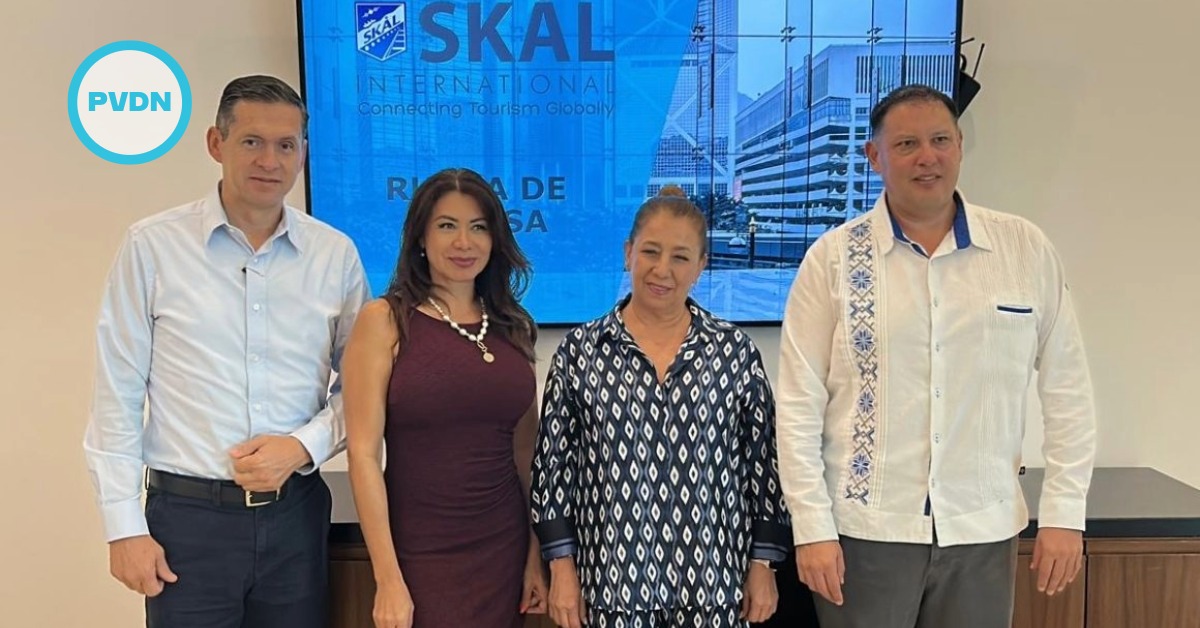
A small shift in how a long-running tourism club describes itself may signal bigger changes for Puerto Vallarta and Riviera Nayarit. Skål’s local chapter is moving beyond networking lunches and into the messy world of planning, data, and public decisions. Supporters say the destination needs better numbers and sharper coordination across the bay. Critics will ask whether this is just a rebrand. The next few months should reveal if the group can turn influence into impact.
A club steps into destination management
Puerto Vallarta and Riviera Nayarit just got a new player in the tourism conversation, and it isn’t a new group. The local chapter of Skål has long brought together tourism leaders. Now it says it is operating as a tourism professionals association. For years, it was best known for meetings, camaraderie, and industry networking. Javier Ruiz Hermoso, the chapter’s president, framed the shift as moving beyond a club model. He linked the new stage to “territory management,” a loaded phrase in a fast-growing bay. The idea is simple: tourism growth is no longer only about selling rooms and sunsets. It is also about how people move, where development lands, and which neighborhoods absorb the pressure. By changing its scope, the group is signaling it wants a say in planning, not just networking. In a region that crosses two states and many interests, that extra voice could carry weight. It also raises expectations.
The bet on data
At the center of the new mission is a very unglamorous promise: better data. Ruiz Hermoso says the association’s main challenge is generating strategic information for decision-makers. That means turning raw numbers into usable statistics for tourism, urban planning, and social development. In practical terms, it is the difference between guessing at peak-day traffic and mapping it. It is the difference between counting arrivals and understanding where visitors stay, spend, and move. In a destination that keeps growing, data becomes a form of shared language. Without it, debates over permits, roads, and public services can turn into noise. The push fits a wider mood in Jalisco, where business leaders and tourism experts are backing new spaces for analysis. A tourism observatory being formed at the state level is also focused on reliable information and long-term planning. If the association can add credible, shared metrics, it could strengthen debates that too often run on anecdotes.
Why it matters beyond tourism
The stakes are high because the bay is already running hot. During the December holiday period, state tourism figures show Puerto Vallarta welcomed more than 315,000 tourists. Average hotel occupancy was reported at nearly 87 percent, with higher-category properties topping 90 percent. When you live here, you don’t have to work in tourism to feel tourism. For residents, those peaks show up as traffic, crowded beaches, and heavier demand on services. For expats, it can mean the same bottlenecks on the way to a doctor, a school run, or the airport. The association argues that sharing expertise and case studies can help the region make smarter choices. It points to challenges like mobility and urban development that spill across the state line. Puerto Vallarta is in Jalisco, while much of the Riviera Nayarit is in Nayarit. That is where coordinated planning can make a difference. When planning is fragmented, even good intentions can land unevenly.
What to watch next
Skål is not a small brand in the tourism industry, and the local chapter is leaning into that reach. Globally, the network counts more than 12,000 members in nearly 300 clubs across dozens of countries. In Mexico, the national organization brings together 27 clubs, from beach resorts to inland cities. Puerto Vallarta’s chapter dates back to 1974 and says it now includes around 50 local professionals. Ruiz Hermoso is also slated to serve as secretary on the national committee this year, which will expand his visibility. In January, Skål Mexico joined other private-sector groups at FITUR in Madrid to coordinate on competitiveness, training, and sustainability. If that national alignment filters down, it could reinforce local cooperation in the bay. The real test in Vallarta will be practical. Residents will notice it fast. Can the new association publish useful, trusted numbers and keep them up to date? Can it translate global lessons into local agreements that residents actually feel?