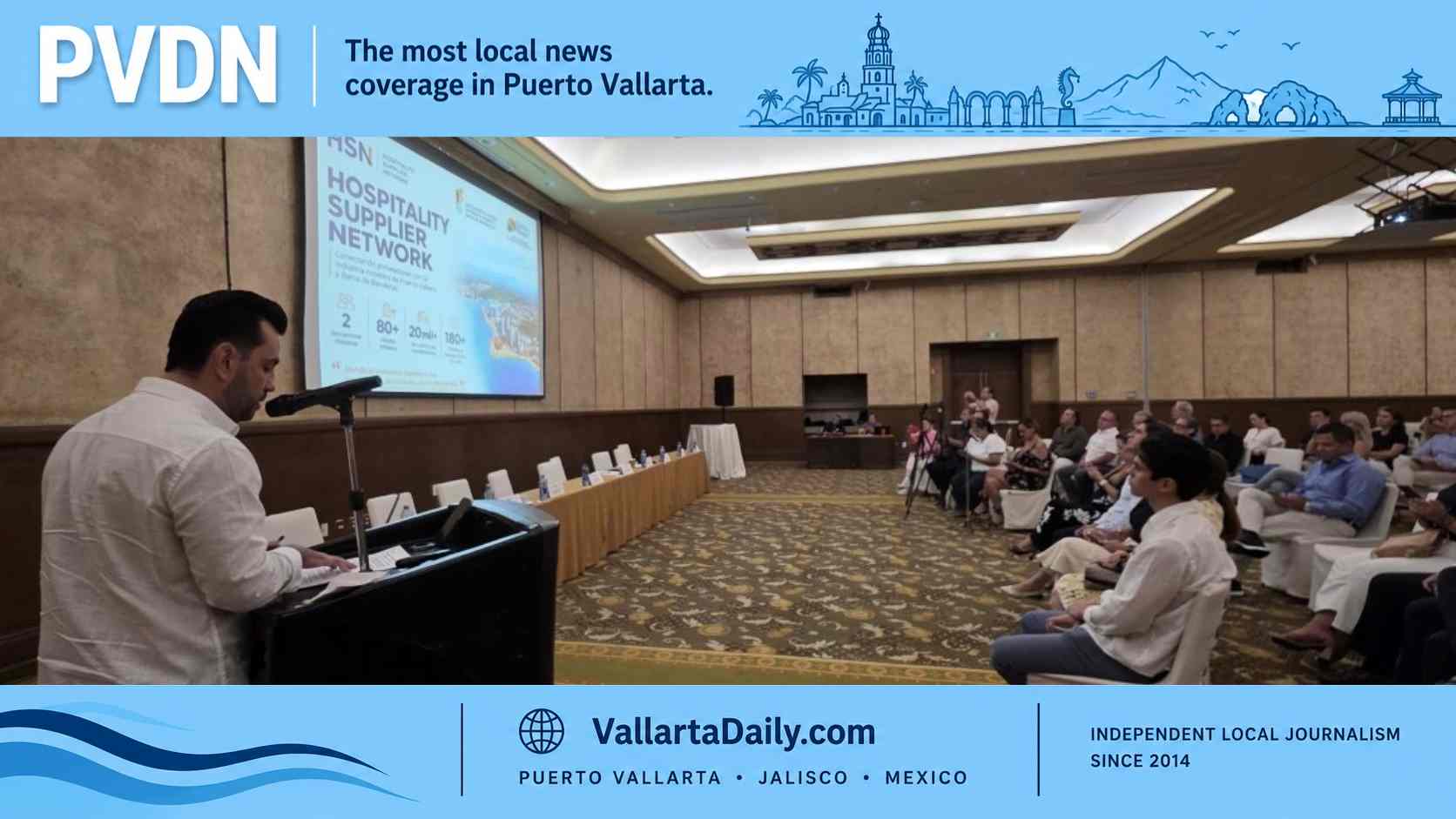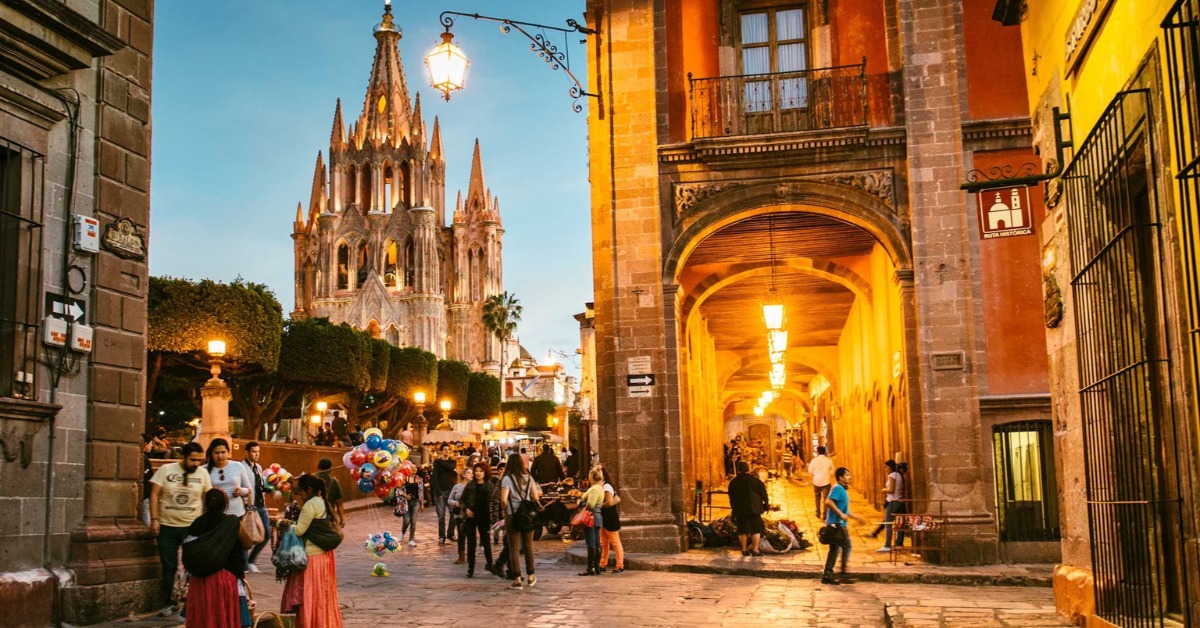
San Miguel de Allende, Gto – For the first time outside Mexico City, the country’s most influential tourism leaders will gather in a colonial city known for its history and charm to reset the direction of the sector. From September 3 to 5, 2025, San Miguel de Allende will host the New Tourism Culture and Prosperity summit, organized by CUMBRES HUB, bringing together federal and state officials, diplomats, business executives, legislators, academics, investors, and opinion shapers.
The gathering is being billed as one of the most important meetings of the year for Mexico’s tourism industry. Over three days, more than 120 decision-makers will convene in the city’s historic heart to debate policy, forge alliances, and design strategies that aim to position tourism not just as a revenue generator but as a driver of cultural affirmation and inclusive prosperity.
CUMBRES HUB has spent over a decade curating high-level dialogue in the tourism sector. This edition marks a strategic pivot: taking the conversation out of the capital and situating it in a place that has already become a symbol of how heritage, culture, and economic vitality can coexist. San Miguel de Allende is using the summit to reinforce its leadership while offering itself as a laboratory for policy ideas that can be scaled nationally. “We do things right here,” the slogan declares, framing the city as both host and model.
Attendees will tackle a suite of pressing topics, including how to balance growth with preservation, how to ensure tourism revenues translate into local opportunity, and how to rebuild community trust in destinations that face overtourism pressures. The summit’s theme, new tourism culture and prosperity, signals a shift away from narrow metrics of visitor counts and toward a more holistic understanding of impact—one that includes cultural continuity, equitable access, and long-term sustainability.
Speakers are expected to present proposals that span regulatory reform, public-private investment frameworks, cultural programming tied to authentic local identity, and mechanisms to channel tourism dollars into small and medium enterprises. A key focus will be the creation of cross-regional networks that let emerging destinations learn from established ones while preserving their distinctiveness.
The decision to move the summit outside of Mexico City carries symbolic weight. It reflects a recognition that leadership and innovation can originate from regions beyond the political center. The city’s cobblestone streets, restored colonial architecture, and vibrant arts scene will serve as a backdrop and reminder of tourism’s roots in culture and place. Delegates will have the chance to see firsthand how a destination can blend heritage preservation with modern hospitality without erasing local identity.
Beyond panels and working groups, organizers are prioritizing space for informal exchange. Officials say many of the summit’s most durable outcomes emerge in hallways, over shared meals, and during spontaneous conversations among people who rarely have a chance to sit together. The event is designed to accelerate alignment across levels of government and sectors—public, private, and civic—so that post-summit follow-through is concrete, not aspirational.
Local business leaders and cultural stewards view the summit as an opportunity to position regional priorities in the national agenda. For San Miguel de Allende, hosting the summit is also a signal to the rest of the country that it is more than a tourist destination; it is a convening space where policy, capital, and culture intersect.
The summit’s outcomes will likely ripple beyond the three days in September. Participants are expected to leave with a set of actionable initiatives, memoranda of collaboration, and pilot projects that, if properly implemented, could recalibrate how Mexico leverages tourism for broad-based economic and cultural benefit.
As the conversation moves into San Miguel de Allende, the message is clear: the future of Mexican tourism depends not just on more visitors, but on a new framework—one that ties culture to prosperity and builds consensus across geography and sectors. This summit is positioned to be the launch point for that shift.