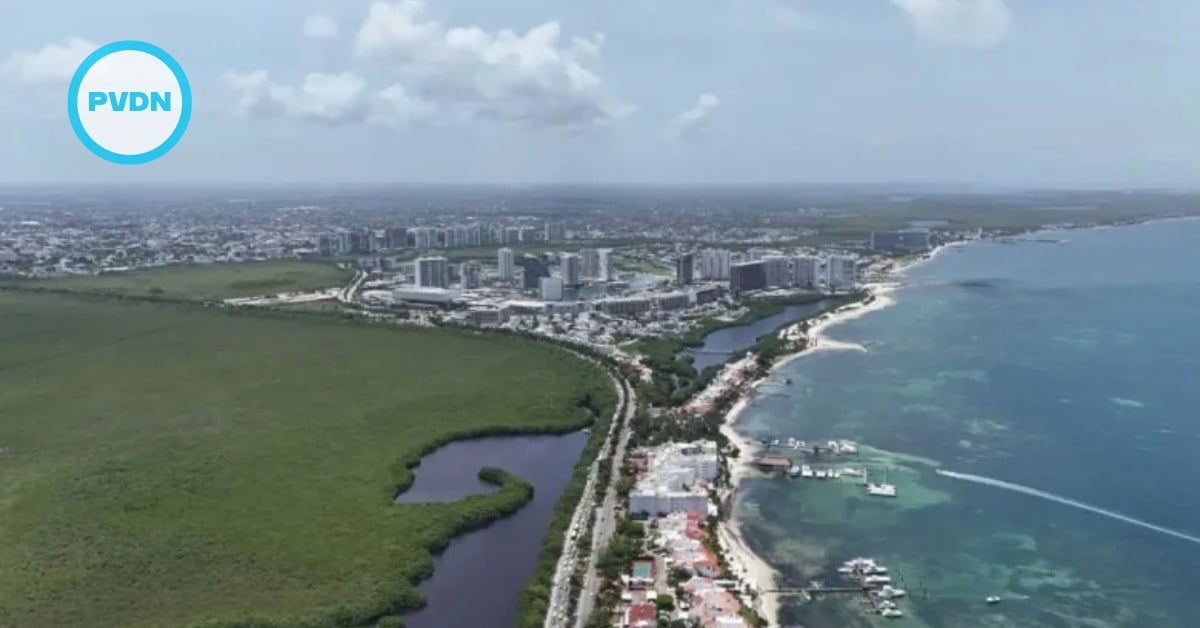
Researchers have discovered alarmingly high contamination levels in Nichupté Lagoon in Cancún. Water samples near the hotel zone and Kukulcán Boulevard showed enterococcus bacteria readings up to 2,400 per 100 ml – over ten times the federal safety threshold of 200. Such bacteria indicate sewage or animal waste contamination. Public health experts warn this spike can cause illness for swimmers and wildlife. The municipal Environmental Protection Office is now investigating sources of pollution and urging caution for lagoon users.
A joint study led by state and federal environmental agencies has confirmed what residents feared: Chronic pollution in the Nichupté Lagoon. For more than a year, scientists collected monthly samples from multiple sites in the lagoon. The findings show that enterococci levels near the hotel zone routinely exceed 2,400/100ml, far above the official norm of 200. Enterococci are bacteria normally found in human and animal intestines – a standard indicator of fecal contamination.
According to the report, the worst readings came around the areas where restaurants drain into the lagoon. Engineers suggest that runoff from residential areas or leaking sewer lines may be pouring pollutants into the water. “These results are alarming,” said a department official. Tests in La Laguna Encantada were comparatively clean, but the busy canal areas tested in the hotel zone repeatedly failed quality guidelines.
Nichupté Lagoon Contamination Far Exceeds Norms
Experts explain that such high enterococcus counts can pose health risks. Normally, enterococci live harmlessly in the gut. However, when water has large amounts, it can cause infections (like earaches, stomach illnesses, or even more serious health issues if it enters the bloodstream) in swimmers. With readings well above the 200 limit, authorities are warning people – especially the elderly and children – to avoid ingestion of lagoon water.
Local officials say they will seek emergency measures: cleaning up potential waste sources, plugging sewage leaks, and possibly treating hotspot areas. Dive operators and tour guides have already begun advising guests to steer clear of certain parts of the lagoon until improvements are made. Environmental activists are now demanding a formal remediation plan. This public-health alert echoes past calls for better wastewater management in Cancún’s lagoons. With tourism and local recreation at stake, city managers say they will prioritize reducing the Nichupté lagoon contamination as quickly as possible.