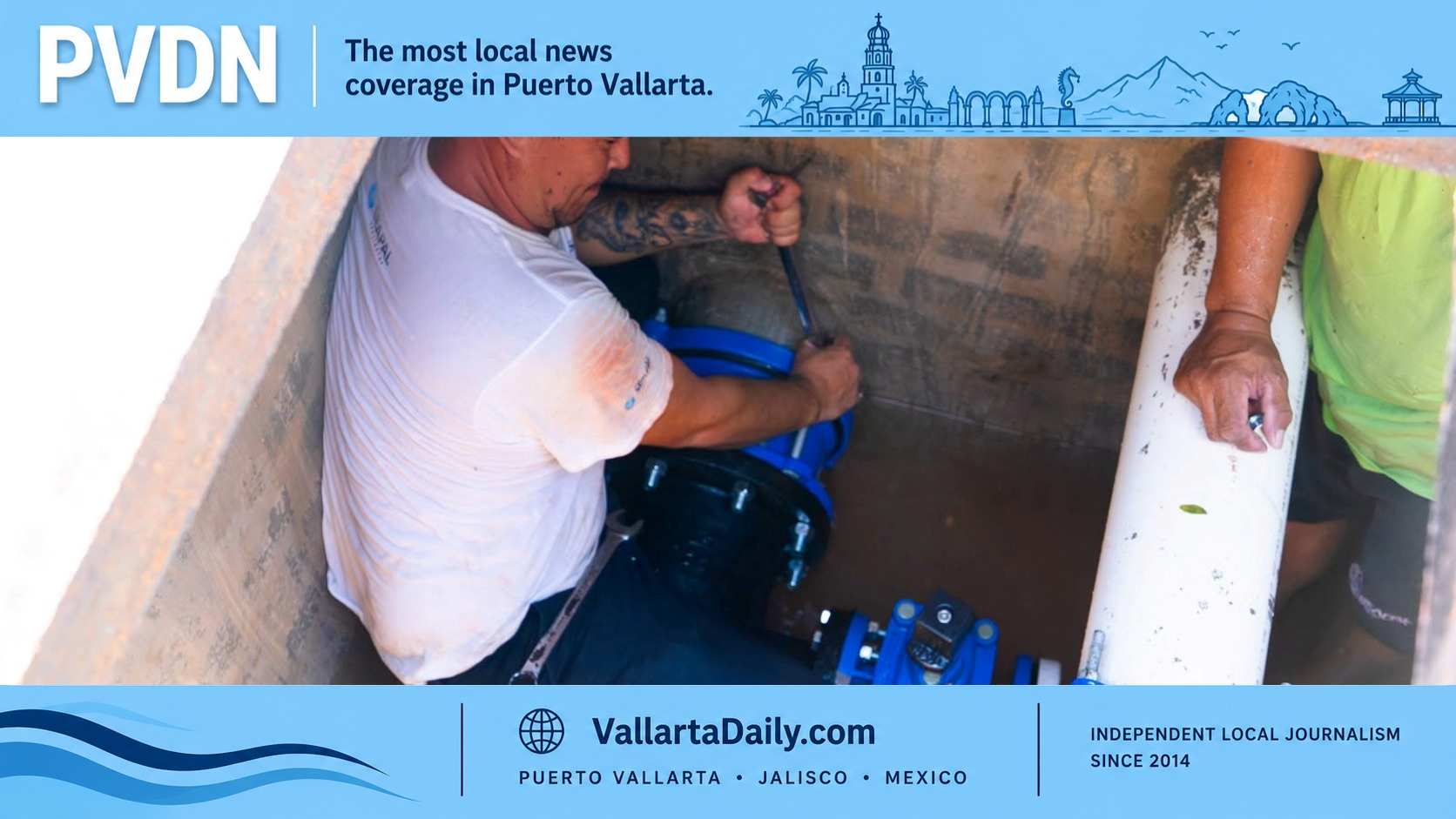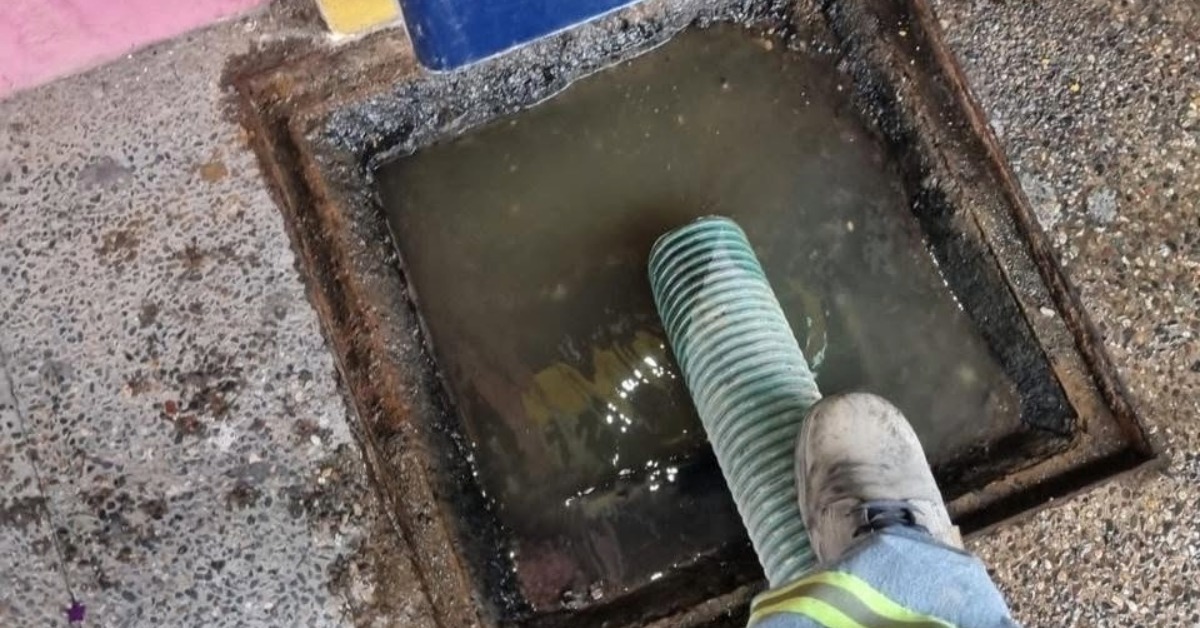
Puerto Vallarta, Jalisco, June 17, 2026 – SEAPAL Vallarta and business owners in Emiliano Zapata are coordinating new sewer maintenance in the Zona Romántica, where blocked drainage lines have created repeated problems for residents, restaurants, and street traffic.
The plan includes preventive cleaning, grease trap reviews, and night work to minimize disruption in one of Puerto Vallarta’s busiest commercial areas. The effort was outlined during a meeting between SEAPAL, municipal departments, and neighborhood business owners.
For people who live, work, or stay in the area, the concern is timing. Maintenance may occur at night, and restaurant operators should expect closer scrutiny of how grease traps are installed and maintained. PVDN did not find a public street-by-street schedule for the work in the materials reviewed.
Night work and restaurant compliance
SEAPAL’s plan combines sewer cleaning with business compliance. The agency has said grease and oil from food-service businesses can harden inside pipes and restrict wastewater flow, especially in older areas such as Emiliano Zapata, Centro, and Versalles.
In a February notice, SEAPAL said parts of the sanitary network in those neighborhoods are around 40 years old. The agency linked repeated drainage problems to grease, cooking oils, and waste entering the sewer system from commercial kitchens, according to its own notice on grease-related sewer blockages.
That makes the Zona Romántica vulnerable to small failures. A blocked line can quickly affect sidewalks, traffic, odors, restaurant service, delivery routes, and nearby homes.
SEAPAL has been preparing a broader push before the rainy season. On May 12, the agency said it was expanding its “Cero Grasas, Cuidemos el Drenaje” campaign, with visits to hotels, restaurants, and other food businesses to review grease-trap use and maintenance. The Emiliano Zapata meeting brings that campaign into one of the city’s densest restaurant districts.
What SEAPAL says is causing the blockages
SEAPAL representatives identified two main problems during the Emiliano Zapata meeting: grease buildup inside sanitary lines and rainwater entering a system designed for wastewater. The agency also warned that improper discharges, including pool water, can increase pressure on the network.
Stormwater can raise flow inside the sewer system, while grease, solids, and debris reduce pipe capacity. When that happens, blockages are more likely to surface at street level.
PVDN has been tracking the wider strain on Puerto Vallarta’s public infrastructure, including how even moderate rain can expose weak drainage points. Recent PVDN coverage of Puerto Vallarta drainage strain and infrastructure pressure in the city has pointed to the same pattern: older systems, heavier use, and repairs struggling to keep pace.
Older pipes remain the harder problem
Grease-trap enforcement may reduce avoidable blockages, but it does not replace pipe rehabilitation.
SEAPAL has acknowledged that much of Puerto Vallarta’s water and drainage network is old. After a July 2025 sinkhole and water line break on Camichín in Emiliano Zapata, the agency said 50% of the city’s water and drainage infrastructure needed renewal. Operational director Alejandro Padilla said many pipes had reached the end of their useful life, with some more than 30 or 45 years old, according to SEAPAL’s report on the Camichín repair.
The same neighborhood has already seen related work. In March 2025, SEAPAL reported completing a 2.7-million-peso water line rehabilitation project in Naranjo, Venustiano Carranza, and Camichín. That project replaced 582 meters of eight-inch PVC pipe, according to the agency’s report on the Emiliano Zapata water-line rehabilitation.
Drainage repairs have also affected mobility in the area. In October 2025, SEAPAL scheduled a temporary closure of Insurgentes to rehabilitate a sanitary manhole associated with drainage modernization on Aquiles Serdán, between Constitución and Camichín.
That history puts the current plan in context. The night cleaning and grease-trap reviews may help reduce blockages, but they are also a response to a system carrying more demand than it was built for.
What residents and businesses should watch
Restaurant owners in Emiliano Zapata and the Zona Romántica should expect more attention to grease-trap compliance. SEAPAL says food businesses must have functioning grease traps and maintain them to prevent oils and solids from entering the sewer system.
Residents should watch for night crews, temporary access changes, odors, standing wastewater, or repeated repairs on the same blocks. Visitors staying in the Romantic Zone may also notice late-night maintenance if crews move ahead as described.
SEAPAL lists 073, (322) 226-91-91, (322) 226-91-90, and WhatsApp at (322) 105-8226 for leak reports, complaints, and drainage-related service reports.