A fresh alert around the Nipah virus is circulating in Mexico as readers seek clear guidance on its symptoms and transmission. The virus kills an estimated 40% to 75% of those infected, a rate that keeps global health agencies on watch.
Nipah virus symptoms and how the deadly disease spreads
Early illness usually looks like the flu: fever, headache, sore throat and fatigue. Some patients then develop severe breathing problems or acute brain inflammation (encephalitis), which can progress fast and prove fatal.
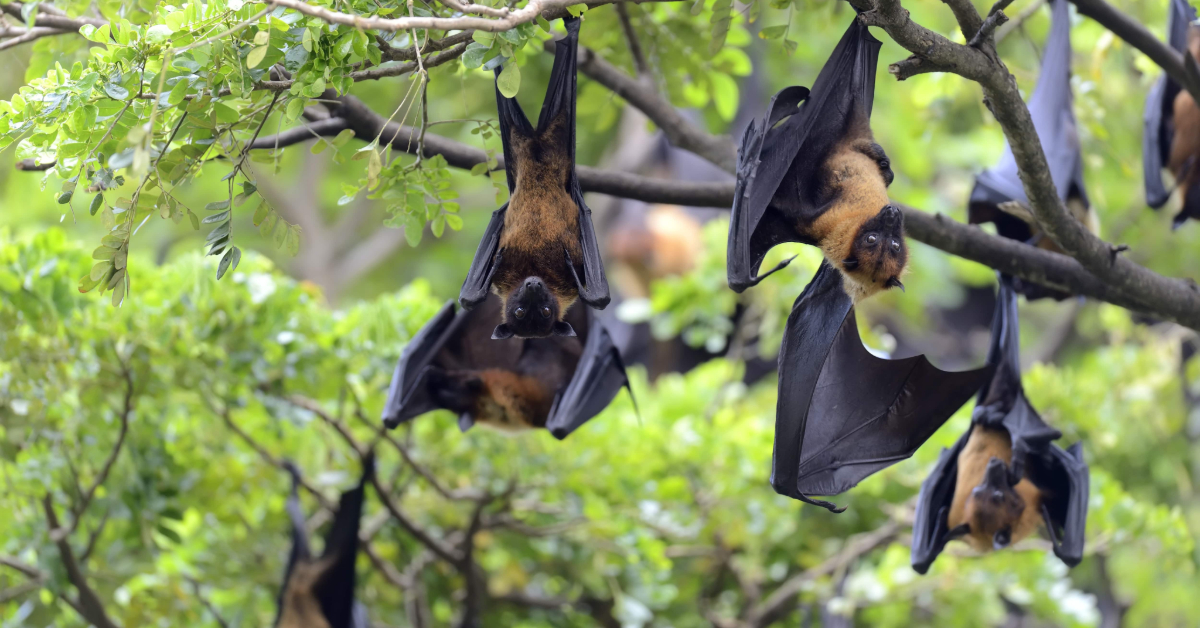
The pathogen jumps from animals to people. Fruit bats are the main reservoir. Contact with infected pigs, bat‑contaminated fruit or human bodily fluids can pass the virus along. Hospital outbreaks have also occurred when protection lapses.
There is no licensed vaccine or specific antiviral treatment. Care teams focus on stabilizing patients: managing respiration, reducing brain swelling and preventing secondary infections. That reality is why officials stress prevention over cure.
What authorities say you can do now
Health agencies repeat the basics: avoid contact with sick animals, wash hands often, cook food well and steer clear of raw palm sap or fruit that bats might have touched. If someone shows compatible symptoms after travel to South or Southeast Asia, isolate fast and seek medical help.
Why the alert matters beyond Asia
Researchers call Nipah a highly virulent zoonosis with pandemic potential because it mutates, crosses species and spreads in clusters once inside hospitals or crowded homes. Climate shifts, land‑use change and wildlife trade raise the odds of spillover events, so countries far from current hotspots still prepare communication plans.
For now, Mexico has no confirmed cases; the alert is informational. Knowing the symptoms, the routes of transmission and the absence of a vaccine helps people react quickly if the virus ever appears. Staying informed—and acting early—remains the best defense.
Nipah virus, symptoms, transmission, high mortality, zoonotic disease, fruit bats, public health, no vaccine, encephalitis, respiratory illness