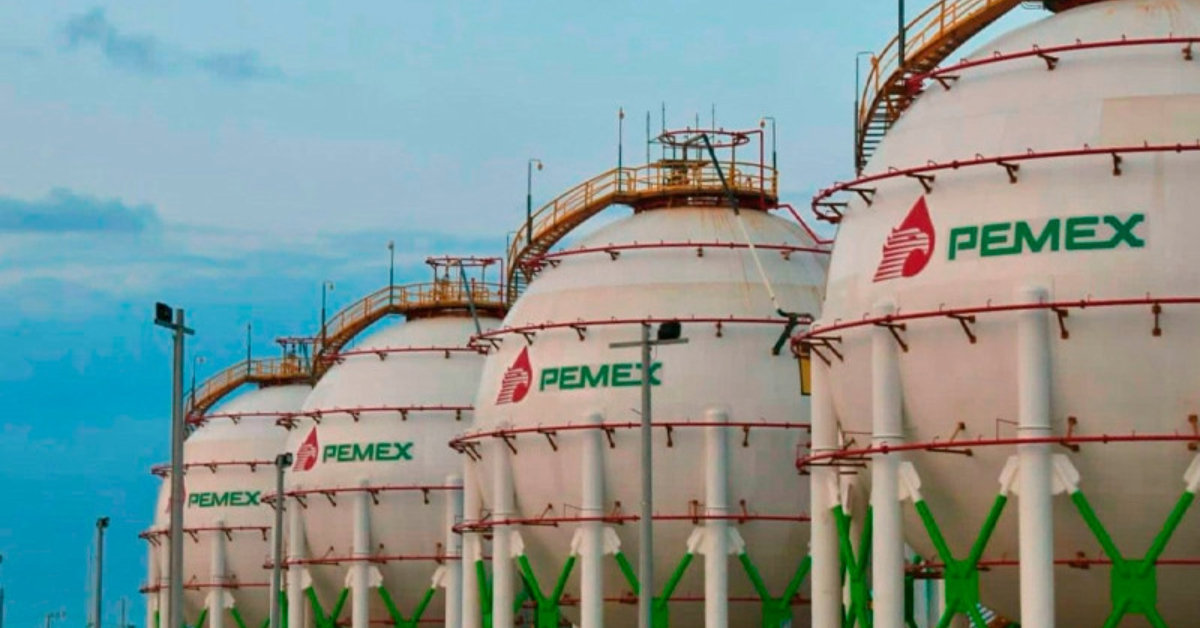
Mexico saw an unprecedented spike in crude oil theft in 2024, with organized criminal groups stealing 6 percent of the country’s total output—triple the rate recorded in 2010. The surge dealt another heavy blow to state oil company Pemex, which has already lost more than $25.5 billion to fuel theft over the last three presidential terms.
Production levels have fallen sharply since 2009. Fifteen years ago, Mexico produced 2,577,000 barrels of crude and condensates per day; roughly 52,000 barrels—2 percent—were siphoned off illegally. In contrast, 2024 output averaged just 1,759,000 barrels daily, but theft soared to 109,000 barrels a day, according to a new analysis by the Citizen Energy Observatory and Pemex data.
The economic impact on Pemex alone reached $2.792 billion in 2024. While the six‑year daily average loss has hovered between 57,000 and 60,000 barrels (about 2.7 percent of production), last year’s figures stand as the highest in at least 15 years. By comparison, 2017 recorded the lowest rate—0.4 percent—equivalent to losses of $126 million.
H2: Crude oil theft Mexico methods and reach
Experts say the theft is no longer limited to small-scale local operations. Francisco Barnés de Castro of the Citizen Energy Observatory notes that criminal gangs have focused on pipelines in marine zones and on Pemex storage facilities. Their tactics range from bribing company employees and local officials to drilling illicit taps directly into pipelines. In some cases, thieves have even targeted refinery infrastructure and have used threats to intimidate workers into cooperation.
This illicit trade extends beyond Mexico’s borders. A May 1, 2024, report by the U.S. Department of the Treasury’s Financial Crimes Enforcement Network (FinCEN) revealed that stolen Mexican crude is smuggled into the United States and sold as West Texas Intermediate (WTI) to both domestic refiners and overseas buyers in Japan, India, and South Africa. The network is reportedly run by cartels long tied to drug trafficking, which have diversified into oil theft to exploit corruption and gaps in Pemex’s security and the Mexican state’s oversight.
Analysts warn that this trend could deepen if not checked. As oil output continues to fall, every barrel stolen represents a larger share of total production—and a bigger revenue loss. Pemex has launched security upgrades and pipeline-monitoring projects, but experts say those measures must be paired with stronger legal enforcement and tighter oversight of company personnel.
Mexico’s government, meanwhile, has called for greater coordination with U.S. authorities to track and intercept smuggled crude. These efforts will test the two countries’ ability to curb a multibillion-dollar criminal market that feeds on the vulnerabilities of one of North America’s largest oil producers.
With organized crime capitalizing on declining output and weak controls, 2024’s record losses may signal a critical turning point. Without swift, coordinated action, analysts fear that crude oil theft will remain a costly, entrenched threat to Mexico’s energy security and Pemex’s bottom line.
crude oil theft, Pemex, organized crime, energy sector, Mexico