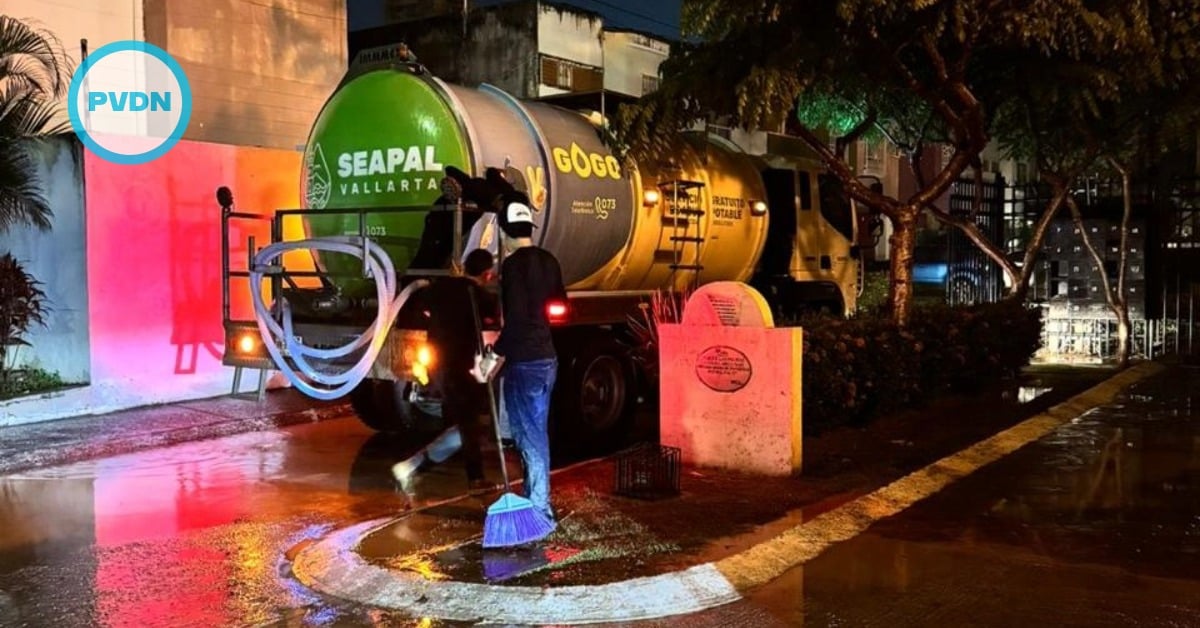
The water receded, but the cleanup didn’t. In Puerto Vallarta’s Parque Las Palmas, families are still mopping mud, tossing soaked furniture, and worrying about what’s in their water. SEAPAL crews have fanned out to clean household cisterns and help restore basic safety after the Parque Las Palmas floods. City officials say the weekend storms swamped homes across several neighborhoods, and health guidance is clear: disinfect storage tanks and treat water before use. Neighbors say the help matters—but they’re also asking how to keep this from happening again.
Parque Las Palmas floods
A week after the October 11–12 storms, Parque Las Palmas is still drying out. Puerto Vallarta authorities declared an emergency as floodwaters entered homes across multiple neighborhoods, with more than 500 houses reported damaged following that weekend’s rains.
Neighbors in Parque Las Palmas describe the same routine: hauling debris to the curb, airing out rooms, and worrying about the water sitting in their cisterns. That last concern is not trivial. Floodwater carries sediment and pathogens. If it seeps into tanks or household systems, families face a second crisis—unsafe water at home.
This is where the city water utility stepped in. SEAPAL crews joined recovery work in Parque Las Palmas and, according to local reporting, began cleaning residential cisterns to help families store safe water again. The effort, led by director Carlos Alberto Ruiz Hernández, drew thanks from residents on the block.
What SEAPAL is doing and what comes next
SEAPAL says its teams have been in the field supporting cleanup in Parque Las Palmas as part of a broader municipal push after the storm. The utility framed the work as solidarity with affected families and a way to protect health during recovery.
The immediate priority is essential but straightforward: remove contaminated water, scrub storage tanks, and disinfect before refilling. Mexico’s Health Ministry guidance for cisterns is straightforward—wash, scrub, and sanitize tanks on a regular cadence, and after flooding, ensure water is treated before use. For flood-hit households, that means chlorine disinfection or using boiled or bottled water until systems are cleaned and secure.
Residents also want to know whether this will keep happening. After the storm, reports highlighted overloaded channels and problem spots near Parque Las Palmas. The city has since described maintenance and mitigation work to cut the risk of a repeat, but neighbors will measure success by what they see when the next heavy rain arrives. In the meantime, the Parque Las Palmas floods are a reminder that recovery is not just about pumping streets—it’s about what comes out of the tap at home.