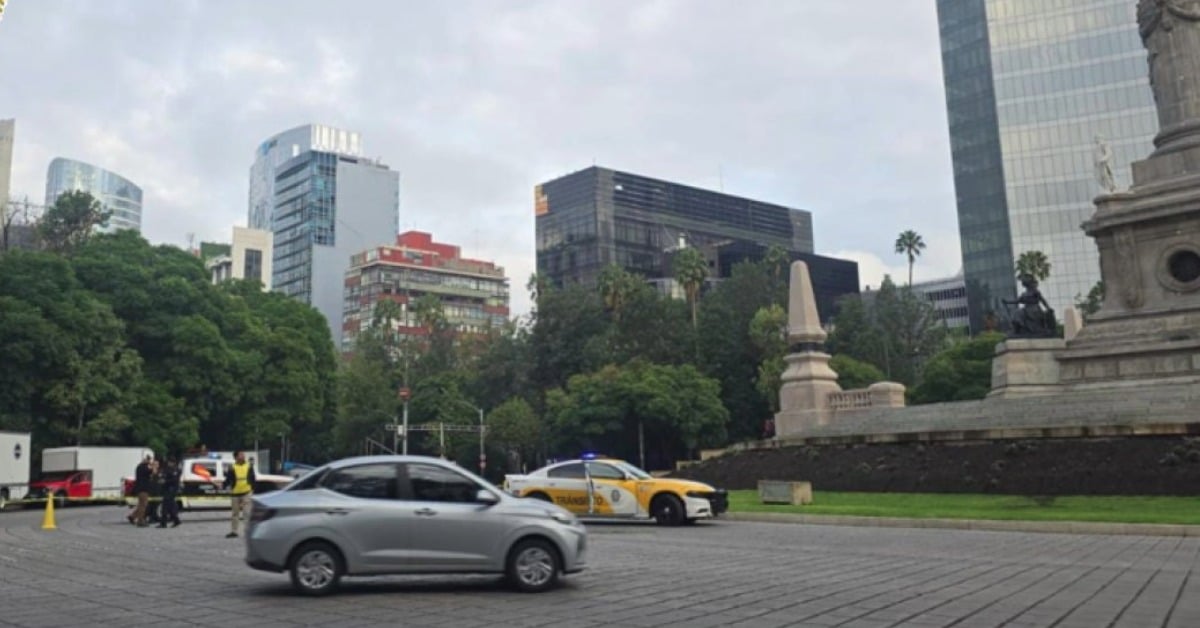
Film crews took over the center of Paseo de la Reforma, closing the main lanes between the Ángel and the Diana for most of Saturday. Drivers were routed to laterals and nearby streets while traffic police kept the corridor moving. Metrobús Line 7 ran as usual. City officials described the operation as an authorized cinematic shoot; they did not release a title. What looks like a routine closure is also a window into how Mexico City courts big productions and why Reforma remains a prize location for producers and brands alike.
Paseo de la Reforma filming
Paseo de la Reforma’s central lanes shut from 4:00 a.m. to 3:30 p.m., in the segment between the Ángel de la Independencia and the Diana Cazadora. The city framed it as an authorized film shoot with traffic officers on scene and detours in place. Laterals stayed open, and Line 7 of the Metrobús kept operating. That mix—partial closure, visible officers, and a running bus line—helped blunt the worst congestion while crews worked.
City communications did not name the production. On-site markings seen by reporters referenced “Legendary,” a clue that points to a major studio operation, though officials have not confirmed a final title.
What the closure covered and how the city managed it
The closure concentrated on the tourist-heavy spine of Reforma, from the Ángel to the Diana, with added restrictions on Florencia up to Liverpool. Officers encouraged drivers to favor Chapultepec, Río Lerma, and Río Pánuco, while people on foot and cyclists threaded the laterals as usual. Messaging stressed that Line 7 service would not be interrupted. For weekend visitors, that meant museum plans and hotel access remained workable, even with intermittent holds to let cameras roll.
What stood out wasn’t only the footprint but the rhythm. Mexico City has pushed disruptive road work into night shifts—pothole and resurfacing crews start after 10 p.m.—to protect daytime movement. A daytime film lockup, then, is the exception, which helps explain why it drew outsized attention on a Saturday.
Why filmmakers keep returning to Reforma
Reforma gives directors scale and symbols in a single frame: monuments, deep vistas, and brand-recognizable corners that read globally. That’s been true for years; productions from prestige indies to action blockbusters have used the boulevard and its surrounds precisely because audiences know it on sight.
The business case is strong. City data show Mexico City topped national filming activity in 2024 with 1,268 productions and an estimated economic impact of 495 million dollars. Those numbers help explain why you still see cranes and camera cars on flagship avenues, even if traffic complaints trend on social platforms when it happens.
Permits, safeguards and the “who decides”
Mexico City’s Film Commission oversees permits for street shoots. Productions submit insurance, scene descriptions, and schedules, and the Commission coordinates with security and transport agencies to protect crews and the public. That coordination is what enabled the city to keep laterals and Line 7 running while cameras were up today.
Officials are tight-lipped about plot points and sometimes even titles, mainly on studio-scale projects that use working names. Today fit that pattern: the government confirmed the operation and laid out the traffic plan, but left the creative specifics to the producers. For residents, what matters most is whether detours are clear and the city honors its own promise to keep the corridor usable.
The takeaway for visitors and locals
Reforma is both a street and a stage. When crews take a slice of it, the city leans on a familiar playbook: close the center, hold when needed, keep laterals and buses moving, and signal the exits early. That playbook worked today. If you’re planning weekend movement along Reforma in the weeks ahead, keep an eye on official advisories; Mexico City’s film calendar is complete, and the next camera crew is never far behind.