Residents and visitors in Puerto Vallarta often fear crocodiles after beach closures or viral clips. The numbers tell a quieter story. Officials say the human crocodile conflict is lopsided: people harm crocodiles far more often than crocodiles injure people. A new inter-agency plan leans on education, hotel training, more apparent signs, and tighter protocols to reduce risky encounters without vilifying a species already under pressure. Here’s what the data shows, why the coast sees flashpoints, and how the city aims to keep both swimmers and reptiles safe.
Fear tends to spike after a dramatic video of a beach. Yet in Puerto Vallarta, the record shows a different risk pattern. Over the last half-century, the region logged 31 crocodile incidents with one death. Since 2000, officials have counted at least two human attacks on crocodiles every year. The imbalance reframes a heated debate that often treats reptiles as the primary threat when the more frequent aggressor is us.
Officials used that history to push a reset this week. They presented updates to a multi-agency coexistence plan built around simple ideas that work: respect habitat, don’t feed wildlife, and let trained crews handle removals. They also stressed that most conflict starts when people enter marked areas or try to get close for photos, which conditions animals to expect food and increases the chance of a bite.
Human crocodile conflict
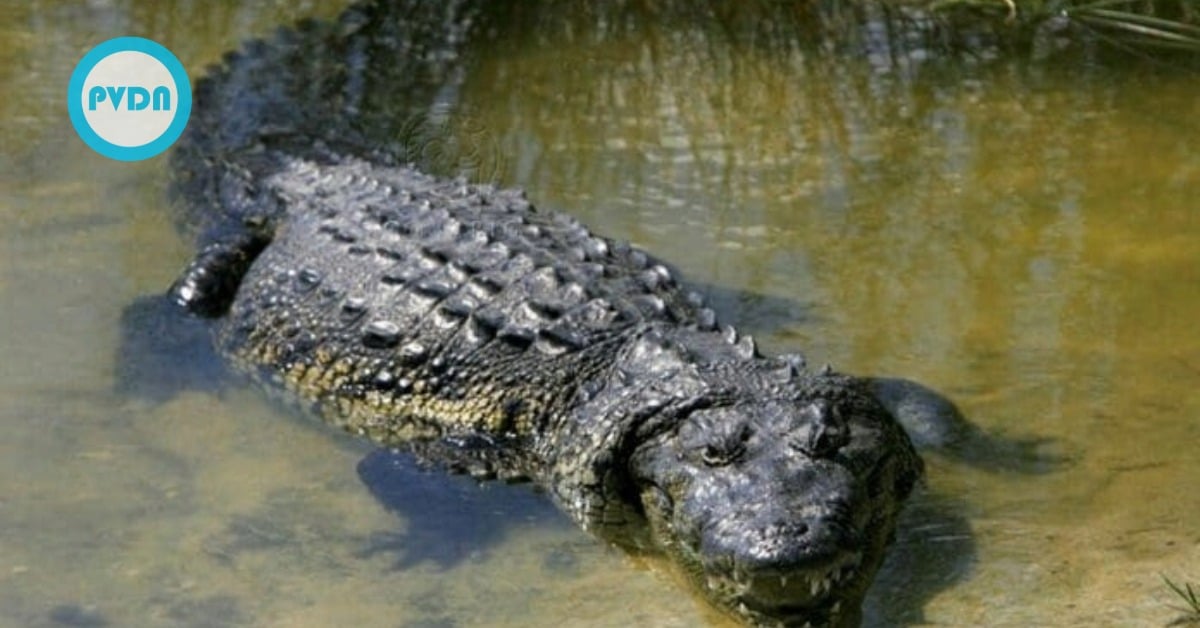
The human crocodile conflict in the bay needs context. Authorities say there are roughly 300 to 350 adult American crocodiles across Bahía de Banderas and Puerto Vallarta. That is not a “plague.” It is a modest population spread over rivers, mangroves, and estuaries that also serve as storm buffers and nurseries for fish. Fewer animals in crowded places mean that each negative interaction gets amplified online, while slower, quieter killings of crocodiles rarely go viral.
Biologists also remind us that this species, Crocodylus acutus, is listed as Vulnerable on the IUCN Red List and is under special protection in Mexico’s NOM-059. Habitat loss and persecution remain the main threats. That legal status is not symbolism; it informs how crews relocate, tag, or monitor animals and how prosecutors respond when people kill them.
What the strategy changes on the ground
Jalisco’s environment ministry is standardizing danger signs in estuaries and beaches, training first responders and hotel staff, and coordinating agencies under one protocol so calls don’t bounce between offices. The plan also expands satellite and community monitoring so crews can anticipate movements after rains or river releases, when animals are more likely to appear in new spots. Education campaigns target residents and tourists in plain language rather than biology-class jargon.
The approach acknowledges tourism realities. Beach flags and temporary closures disrupt livelihoods, so the goal is to minimize disruptions. Hotels receive briefings on where crocodiles den and how to guide guests away from those zones without causing panic. The same message goes to fishers along canals: keep distance, don’t dump fish scraps, and call trained teams for removals. Clearer roles and faster responses reduce the temptation to take matters into one’s own hands.
A vulnerable species in a crowded coast
Recent cases underline the lopsided harm. Local authorities have reported mutilations and illegal killings inside protected areas, prompting criminal complaints. Those events rarely trend outside the region, but their cumulative impact is profound for a small, slow-breeding population already squeezed by development. The bay’s mangroves and esteros are the last buffer; when we push into that space, conflict follows.
Federal environmental inspectors, meanwhile, keep urging basic precautions: heed posted warnings, avoid swimming at dawn or dusk near river mouths, and never feed or harass wildlife. None of these steps strips beaches of their appeal. They reduce the risk of negative encounters while allowing a protected native species to continue its natural behavior on this coast.
What reduces risk for everyone
The fix is not complicated. Distance works. So does a phone call to trained responders. Most injuries occur when people ignore clear signs, enter murky estuary water, or attempt to take a close photo. The reverse is also true: when hotels and tour operators echo the same guidance and visitors see consistent signs, near-misses fade and closures become rarer. Education isn’t a lecture; it is a script shared across a tourism city that wants fewer scares and more ordinary days.
The bay can hold both beach days and crocodiles. It already does. The choice is whether we keep meeting each other by surprise—or learn our neighbors’ habits and give them room.